EveryEvent Dublin

Ver todos os Events

Find every event in Dublin

events

Concerts & Live Music
Festivals
Sports & Recreation
Food & Drink
Arts & Culture
Community
Family & Kids
Nightlife
Comedy
Theater
Destinos populares
BaliSedonaLos AngelesCosta RicaNew YorkSan FranciscoAustinMiamiJoshua TreeTulum
Ver todas as categoriasVer todos os destinos

Explorar todos os recursos

Ferramentas poderosas para expandir seus eventos

Recursos da plataforma

Precificação dinâmica inteligente
Categorias de ingressos
Lugares marcados
Recuperação de carrinho abandonado
Recuperação de visitantes
Doações e preço variável
Sistema de afiliados
Scanner de ingressos
Códigos de desconto
Perguntas personalizadas
Compartilhamento de ingressos
Upsells e complementos
Análises e relatórios
Sequências de e-mail
Lista de espera / Notificar / Lembrar
Explorar
Discovery HubArtists & PerformersVenuesKnowledge Base
Ver todos os recursosSobre nós
PreçosBlog
Ver todos os eventos

events

Concerts & Live MusicFestivalsSports & RecreationFood & DrinkArts & CultureCommunityFamily & KidsNightlife

Destinos populares

BaliSedonaLos AngelesCosta RicaNew YorkSan Francisco

Explorar

Discovery HubArtists & PerformersVenuesKnowledge Base

Recursos da plataforma

Precificação dinâmica inteligenteCategorias de ingressosLugares marcadosRecuperação de carrinho abandonadoRecuperação de visitantesDoações e preço variávelSistema de afiliadosScanner de ingressosCódigos de descontoPerguntas personalizadasCompartilhamento de ingressosUpsells e complementosAnálises e relatóriosSequências de e-mailLista de espera / Notificar / Lembrar
Ver todos os recursosSobre nós
PreçosBlog
EntrarCadastrarOrganizadores de eventos
  • Browse All Events
  • Concerts & Live Music
  • Festivals
  • Sports & Recreation
  • Food & Drink
  • Arts & Culture
  • Community
  • Family & Kids
  • Nightlife
  • Todas as categorias →
  • All Destinations →
  • For Promoters
  • For Artists
  • For Venues
  • For Festivals
  • For Event Spaces
  • For Nonprofits
  • For Bloggers
  • For Speakers
  • Brand Ambassador
  • Case Studies
  • Rede de 350K+ compradores
  • Recuperação de carrinho abandonado
  • Precificação dinâmica inteligente
  • Categorias de ingressos
  • Eventos recorrentes
  • Lugares marcados
  • Sistema de afiliados
  • Lista de espera / Notificar
  • Scanner de ingressos
  • Widget incorporável
  • Event Syndication
  • Message Center
  • Integrations
  • Reports
  • Todos os recursos →
  • Sobre
  • The Ecosystem
  • Blog
  • Glossário
  • Inspiration
  • Central de ajuda
  • Contato
  • Documentação da API
  • Recursos da marca
  • Carreiras
  • Imprensa
  • Termos de Serviço
  • Política de Privacidade

Events

  • Browse All Events
  • Concerts & Live Music
  • Festivals
  • Sports & Recreation
  • Food & Drink
  • Arts & Culture
  • Community
  • Family & Kids
  • Nightlife
  • Todas as categorias →

Getaways

  • All Destinations →

For Organizers

  • For Promoters
  • For Artists
  • For Venues
  • For Festivals
  • For Event Spaces
  • For Nonprofits
  • For Bloggers
  • For Speakers
  • Brand Ambassador
  • Case Studies

Recursos

  • Rede de 350K+ compradores
  • Recuperação de carrinho abandonado
  • Precificação dinâmica inteligente
  • Categorias de ingressos
  • Eventos recorrentes
  • Lugares marcados
  • Sistema de afiliados
  • Lista de espera / Notificar
  • Scanner de ingressos
  • Widget incorporável
  • Event Syndication
  • Message Center
  • Integrations
  • Reports
  • Todos os recursos →

Empresa

  • Sobre
  • The Ecosystem
  • Blog
  • Glossário
  • Inspiration
  • Central de ajuda
  • Contato
  • Documentação da API
  • Recursos da marca
  • Carreiras
  • Imprensa
  • Termos de Serviço
  • Política de Privacidade
EveryEvent
© 2026 EveryEvent Dublin. Todos os direitos reservados.
Inspiration

Rest Is Resistance:Rejecting Capitalist Conditioning

Thich Nhat Hanh
Thich Nhat Hanh
Feb 18, 2026
5 min read
Watch · 3

TLDR: In this brief but potent reflection from Plum Village's Zen and the Art of Saving the Planet course, Sister Peace and Dr. Larry Ward reframe rest not as laziness or indulgence, but as an act of political resistance. When we rest, we interrupt the capitalist conditioning that compels us toward endless consumption, shopping, and productivity—a system that extracts value from both our inner worlds and the lives of those most harmed by exploitation. Rest becomes a practice of refusal: a rejection of the mindset that our worth is measured by what we produce or consume.

Read · 6 sections

What does it mean to call rest "resistance"?

In mainstream capitalist culture, rest is often framed as a luxury, a reward for productivity, or something to feel guilty about. Rest is resistance rejects this framing entirely. Instead, rest is positioned as an active choice to step out of the system that demands constant consumption and output. When we rest, we withdraw our participation from the machinery of perpetual spending and achievement. This withdrawal is not passive—it is a deliberate refusal.

Sister Peace and Dr. Larry Ward emphasize that this resistance operates on multiple levels. First, rest resists the psychological conditioning that tells us we must always be doing, buying, or pursuing. The modern consumer-oriented world has trained us to fill empty time with consumption: shopping, scrolling, acquiring. Rest interrupts that loop. It says: I will be still. I will not spend. I will not hustle. In doing so, the resting person becomes a small but real obstacle to the system that profits from their constant motion.

How does capitalist conditioning colonize our relationship to rest?

The conditioning described in this teaching is not accidental—it is systematic. Capitalist economies depend on consumption and productivity. They need us to feel that our value lies in what we produce and what we buy. From childhood onward, we are trained to believe that leisure time should be filled with purchases, that success means constant activity, that stopping is wasteful or selfish.

This conditioning becomes so normalized that many people experience genuine anxiety when they rest. Rest triggers guilt, restlessness, or the compulsive urge to fill the silence with shopping, entertainment, or work. The system has colonized not just our time but our psychology. We believe that rest is something we have not earned, or that it is time wasted that could be spent making money or acquiring things.

The teaching suggests that to simply rest—without guilt, without rushing to fill the void—is already an act of defiance. It breaks the spell that tells us our worth is conditional on constant productivity and consumption.

Who benefits from keeping us in constant motion?

The framework offered here connects personal rest to systemic harm. The capitalist mindset that demands our constant productivity and consumption does not affect everyone equally. Those most exploited by "systems of harm and extraction"—workers in supply chains, communities living near extractive industries, marginalized populations bearing the costs of overconsumption—experience the burden of this system most severely.

When we rest, we also withdraw from participating in the extraction that sustains consumer culture. We step out of a machine that depends on the labor and resources of others to fuel endless consumption. The practice of rest, then, carries a dimension of solidarity: by refusing to consume compulsively, we reduce demand for goods produced through exploitation.

How does rest relate to inner peace and mindfulness?

This teaching emerges from Plum Village, a monastic community rooted in Thich Nhat Hanh's engaged Buddhism. In that tradition, rest and mindfulness are inseparable. True rest is not unconsciousness or escape—it is mindful presence. When we rest mindfully, we are fully there, not ruminating about what we should be doing or what we should buy next. We are present to our breath, our body, the moment itself.

This quality of rest cultivates inner peace. It is peace not built on the fantasy that we have "earned" it through productivity, but peace that arises simply from stopping, from allowing ourselves to be. This peace is radical because it does not depend on the system; it does not require consumption or achievement to feel valid.

What does "taking mindful action for our Earth" have to do with rest?

The larger course context—Zen and the Art of Saving the Planet—suggests that rest and environmental action are linked. To take mindful action for the Earth requires clarity, energy, and vision that cannot be maintained in a state of burnout. Activists and engaged people often work themselves to exhaustion, replicating the very culture of overwork and extraction they are trying to heal. Rest becomes necessary for sustainable action.

Moreover, mindful action for the Earth often means reducing consumption and resisting the pull to buy more, travel more, extract more. In this sense, rest—sitting quietly, finding contentment without new purchases, refusing the siren song of constant productivity—is itself a form of Earth action. It models and practices the restraint, sufficiency, and care that a healthier relationship with our planet requires.

Where to go from here

To explore these ideas more deeply, consider registering for Plum Village's full online course, Zen and the Art of Saving the Planet (ZASP), where Sister Peace and Dr. Larry Ward offer extended teachings on rest, mindfulness, and engaged action. The course site (plumvillage.org/courses/zen-and-the-art-of-saving-the-planet) provides registration details and further resources.

On a personal level, you might experiment with rest as a practice: designate a period—an hour, an afternoon, a day—where you deliberately refrain from consumption, shopping, or productivity-oriented activity. Notice the urges that arise. Notice the narratives about guilt, laziness, or wasted time. Simply observe them. In that observation and refusal to act on the urge to consume or produce, you are practicing exactly what this teaching describes. Rest becomes both a contemplative practice and a small political act.

Transcript

[0:00] Rest is resistance. When we rest,

[0:03] >> we are resisting the the the

[0:06] >> the urge to uh

[0:08] >> consume.

[0:09] >> Oh yeah.

[0:10] >> To shop.

[0:11] >> All these things we habitually been

[0:14] conditioned to especially by the modern

[0:17] >> consumeroriented

[0:19] world.

Thich Nhat Hanh
AuthorThich Nhat Hanh

Vietnamese Zen master, poet, and peace activist. Founded Plum Village in France and was central to the engaged Buddhism movement. His teachings on mindfulness, interbeing, and walk…

View profileWebsite
Explore Topics
Rest-resistanceCapitalism-critiqueMindfulness-actionEngaged-buddhismConsumption

Got Questions?

Frequently Asked Questions

Yes, according to this teaching. When you rest, you refuse to participate in the capitalist cycle of constant consumption and productivity. You withdraw your labor and spending from a system that profits from your motion, making rest an active choice to step outside the machinery rather than a passive absence of activity.
Rest reduces consumption—you are not shopping, traveling, or demanding resources—which directly lowers your footprint. Additionally, sustainable environmental action requires activists who are not burned out. Rest enables the clarity and energy needed for meaningful, long-term engagement with Earth-centered work.
Capitalist culture conditions us to believe our worth depends on productivity and consumption. That guilt is the internalized voice of the system telling you to keep moving. Recognizing this conditioning is the first step to practicing rest without shame and seeing guilt itself as evidence of how deeply the system has shaped us.
Rest is conscious, intentional, and often involves mindful presence. Laziness is typically avoidance or unconsciousness. Rest practiced with awareness—fully being present without distraction—is an active choice that builds inner peace and cultivates clarity, not escapism.
The system that demands constant productivity and consumption depends on exploiting workers in supply chains and extractive industries. When you rest and refuse to compulsively consume, you reduce demand for goods made through exploitation, creating a link between personal rest and solidarity with those harmed by extraction.
Yes. You do not need to abandon society to practice rest as resistance. Even small acts—resting without guilt, finding contentment without purchases, refusing to fill every moment with productivity—interrupt the system's hold on you and model an alternative way of being.

Continue Reading

More from Thich

View All
Liberation Through Grief and Self-Worth in Buddhist Practice
Featured

Liberation Through Grief and Self-Worth in Buddhist Practice

Br. Phap Huu explores how recognizing our inherent goodness and learning to grieve openly within community liberates us from suffering and s…

1 min read
Living Gems Archive: Preserving Thích Nhất Hạnh's Dharma for the World
Featured

Living Gems Archive: Preserving Thích Nhất Hạnh's Dharma for the World

Living Gems is a searchable digital archive of Thích Nhất Hạnh's teachings, built by Plum Village to preserve and share the dharma globally …

1 min read
Embrace Suffering with Tenderness: A Practice of Self-Compassion
Featured

Embrace Suffering with Tenderness: A Practice of Self-Compassion

Learn how mindful awakening and intentional daily practices help us meet suffering with compassion rather than judgment, transforming our in…

1 min read
Coming Home Through Mindfulness: Self-Doubt and Worthiness
Featured

Coming Home Through Mindfulness: Self-Doubt and Worthiness

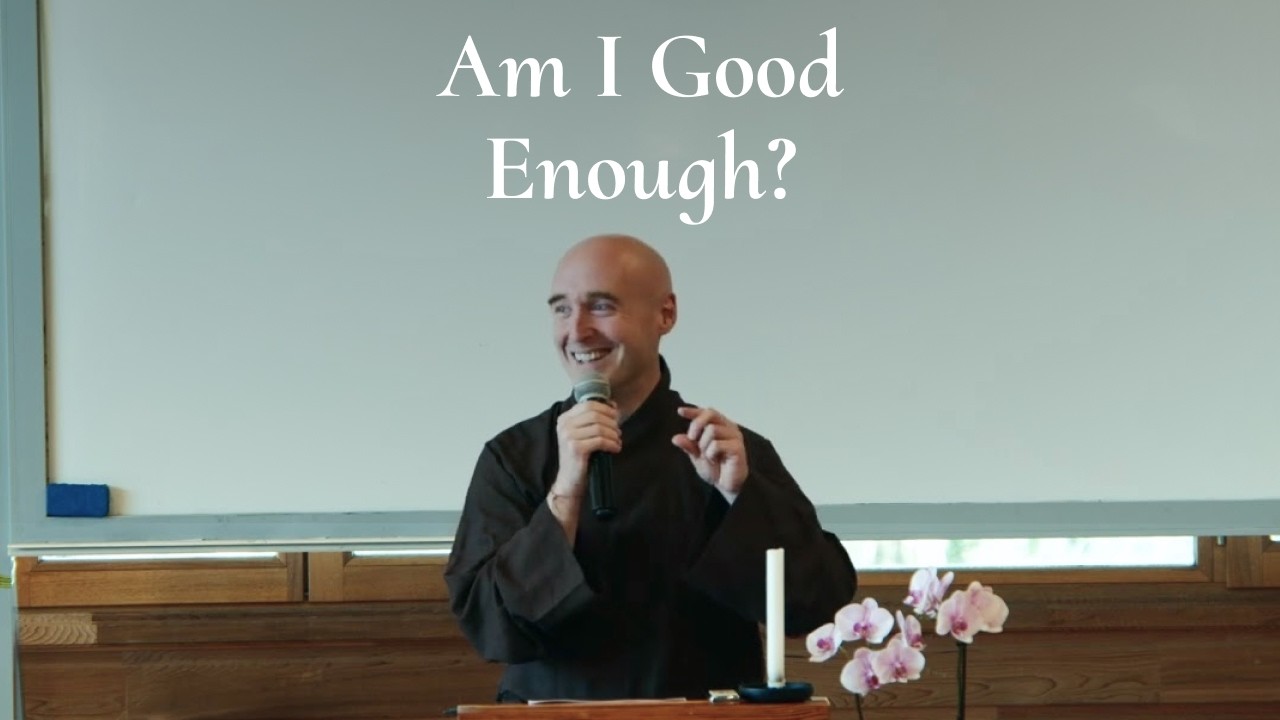
Br. Bao Tang explores the question "Am I good enough?" and how mindfulness and coming home to the present moment can free us from self-doubt…

1 min read

Keep exploring

Continue your journey

More wisdom and gatherings from across the BrightStar directory.

More Articles

Browse the full library of teachings, interviews, and guides.

Back to all articles →

Teachers & Artists

Explore the lineages, musicians, and guides of the conscious world.

Explore artists →

Find an Event

Kirtan, retreats, sound baths, breathwork, festivals — happening soon.

Browse events →
Read more from BrightStarCreate Free Account
Host your own gatherings?Try the Demo