EveryEvent Dublin

Ver todos os Events

Find every event in Dublin

events

Concerts & Live Music
Festivals
Sports & Recreation
Food & Drink
Arts & Culture
Community
Family & Kids
Nightlife
Comedy
Theater
Destinos populares
BaliSedonaLos AngelesCosta RicaNew YorkSan FranciscoAustinMiamiJoshua TreeTulum
Ver todas as categoriasVer todos os destinos

Explorar todos os recursos

Ferramentas poderosas para expandir seus eventos

Recursos da plataforma

Precificação dinâmica inteligente
Categorias de ingressos
Lugares marcados
Recuperação de carrinho abandonado
Recuperação de visitantes
Doações e preço variável
Sistema de afiliados
Scanner de ingressos
Códigos de desconto
Perguntas personalizadas
Compartilhamento de ingressos
Upsells e complementos
Análises e relatórios
Sequências de e-mail
Lista de espera / Notificar / Lembrar
Explorar
Discovery HubArtists & PerformersVenuesKnowledge Base
Ver todos os recursosSobre nós
PreçosBlog
Ver todos os eventos

events

Concerts & Live MusicFestivalsSports & RecreationFood & DrinkArts & CultureCommunityFamily & KidsNightlife

Destinos populares

BaliSedonaLos AngelesCosta RicaNew YorkSan Francisco

Explorar

Discovery HubArtists & PerformersVenuesKnowledge Base

Recursos da plataforma

Precificação dinâmica inteligenteCategorias de ingressosLugares marcadosRecuperação de carrinho abandonadoRecuperação de visitantesDoações e preço variávelSistema de afiliadosScanner de ingressosCódigos de descontoPerguntas personalizadasCompartilhamento de ingressosUpsells e complementosAnálises e relatóriosSequências de e-mailLista de espera / Notificar / Lembrar
Ver todos os recursosSobre nós
PreçosBlog
EntrarCadastrarOrganizadores de eventos
  • Browse All Events
  • Concerts & Live Music
  • Festivals
  • Sports & Recreation
  • Food & Drink
  • Arts & Culture
  • Community
  • Family & Kids
  • Nightlife
  • Todas as categorias →
  • All Destinations →
  • For Promoters
  • For Artists
  • For Venues
  • For Festivals
  • For Event Spaces
  • For Nonprofits
  • For Bloggers
  • For Speakers
  • Brand Ambassador
  • Case Studies
  • Rede de 350K+ compradores
  • Recuperação de carrinho abandonado
  • Precificação dinâmica inteligente
  • Categorias de ingressos
  • Eventos recorrentes
  • Lugares marcados
  • Sistema de afiliados
  • Lista de espera / Notificar
  • Scanner de ingressos
  • Widget incorporável
  • Event Syndication
  • Message Center
  • Integrations
  • Reports
  • Todos os recursos →
  • Sobre
  • The Ecosystem
  • Blog
  • Glossário
  • Inspiration
  • Central de ajuda
  • Contato
  • Documentação da API
  • Recursos da marca
  • Carreiras
  • Imprensa
  • Termos de Serviço
  • Política de Privacidade

Events

  • Browse All Events
  • Concerts & Live Music
  • Festivals
  • Sports & Recreation
  • Food & Drink
  • Arts & Culture
  • Community
  • Family & Kids
  • Nightlife
  • Todas as categorias →

Getaways

  • All Destinations →

For Organizers

  • For Promoters
  • For Artists
  • For Venues
  • For Festivals
  • For Event Spaces
  • For Nonprofits
  • For Bloggers
  • For Speakers
  • Brand Ambassador
  • Case Studies

Recursos

  • Rede de 350K+ compradores
  • Recuperação de carrinho abandonado
  • Precificação dinâmica inteligente
  • Categorias de ingressos
  • Eventos recorrentes
  • Lugares marcados
  • Sistema de afiliados
  • Lista de espera / Notificar
  • Scanner de ingressos
  • Widget incorporável
  • Event Syndication
  • Message Center
  • Integrations
  • Reports
  • Todos os recursos →

Empresa

  • Sobre
  • The Ecosystem
  • Blog
  • Glossário
  • Inspiration
  • Central de ajuda
  • Contato
  • Documentação da API
  • Recursos da marca
  • Carreiras
  • Imprensa
  • Termos de Serviço
  • Política de Privacidade
EveryEvent
© 2026 EveryEvent Dublin. Todos os direitos reservados.
Inspiration

How Unnecessary ThinkingCreates Suffering

Eckhart Tolle
Eckhart Tolle
May 18, 2026
6 min read
Watch · 5

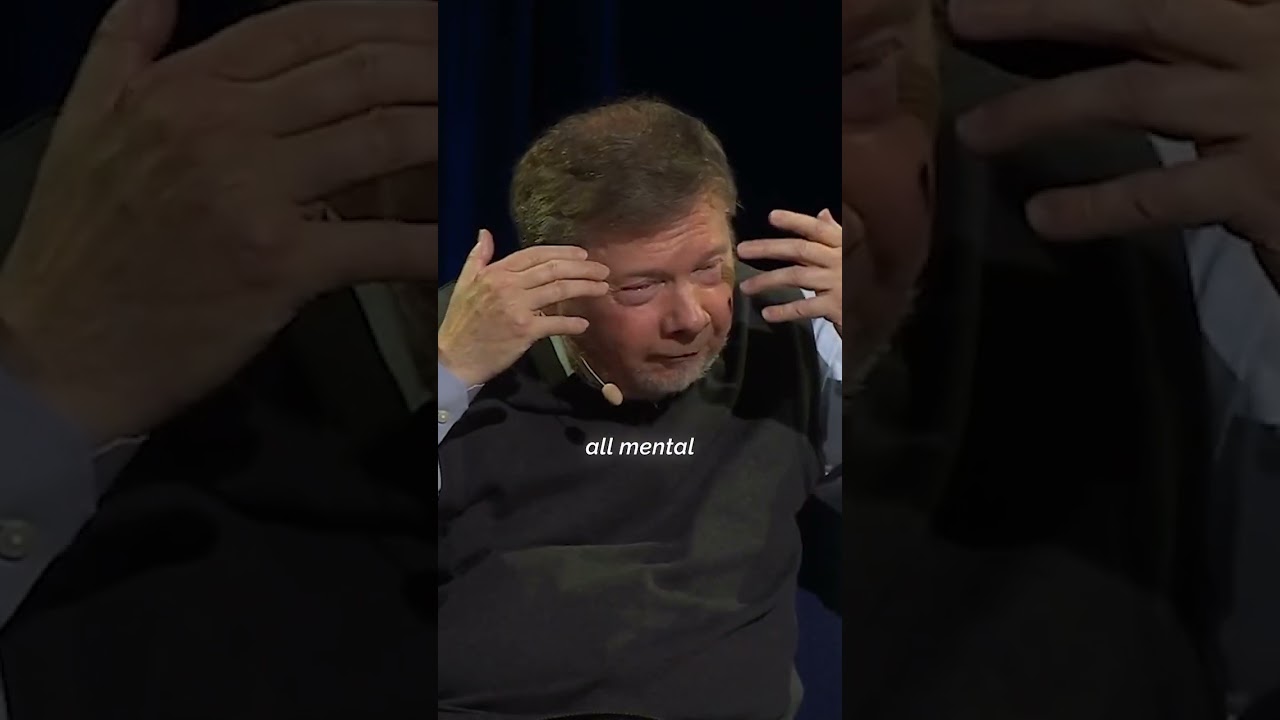
TLDR: A significant portion of human unhappiness stems not from actual present circumstances, but from unnecessary and often destructive mind activity—particularly the tendency to overthink, worry, and project problems into imaginary futures. Most people remain unconscious of this pattern. The solution lies in developing awareness of when the mind is generating suffering through non-existent problems, particularly observable in situations like lying awake at night catastrophizing.

Read · 6 sections

What creates suffering if not actual circumstances?

The fundamental insight at the core of this teaching is that humans generate a substantial amount of their own unhappiness through unnecessary thinking. This is distinct from the mind's legitimate survival functions—the capacity to think, plan, and solve real problems. Rather, it refers to a particular mode of mental activity that creates problems where none objectively exist.

When you lie awake at night in bed and begin to worry, you're experiencing a direct example of this mechanism. The worry itself generates the unhappiness; the actual circumstances you're worrying about may not have manifested, and may never manifest. Yet the mind's rehearsal of these imaginary scenarios produces very real suffering. This is a loop where thought creates an emotional state, which in turn reinforces the thought pattern.

The tragedy, as Tolle points out, is that most people don't even realize this is happening. They experience the unhappiness as a direct result of their circumstances, when in fact a significant portion of it is manufactured by the mind's own activity. They mistake the thought-generated problem for reality.

Why does the mind create problems that don't exist?

The mind has evolved to identify threats and solve problems. This is a survival mechanism that has served humanity well when deployed appropriately. However, most people's minds remain in a kind of overdrive, constantly scanning for potential problems, spinning scenarios, and working through hypothetical difficulties—many of which have no basis in present reality.

This unnecessary thinking often carries a negative or destructive quality. Rather than calm, strategic problem-solving, it tends toward worry, rumination, blame, and catastrophization. The mind gets stuck in loops where it rehearses the same unhelpful thoughts repeatedly, each cycle generating fresh emotional disturbance.

What compounds the issue is that people are largely unconscious of this process. The thoughts feel compelling, urgent, and real. There's often a sense that "I must worry about this" or "I should be thinking about this problem," without awareness that the worry and thinking are themselves the primary source of suffering, not a necessary response to actual danger.

How can you recognize when your mind is generating non-existent problems?

The most common and relatable example is the nighttime worry loop. You're lying in bed, physically safe and warm. There are no immediate threats. Yet your mind begins spinning scenarios about work, relationships, finances, health, or social situations. Each thought feels real and urgent. The emotional state created by these thoughts—anxiety, dread, despair—feels like a justified response to genuine danger.

The key recognition is that the danger exists only in thought. The actual present moment contains no threat. Your body is secure. The problem you're worrying about is not happening right now. This gap between the thought-generated problem and the thought-free present is where awareness becomes possible.

Recognizing this pattern requires a shift in perspective. Instead of being completely absorbed in the content of your thoughts—the story of what might happen—you notice the fact that you are thinking. You become aware of the mind's activity itself, rather than identifying completely with what the mind is saying.

What's the role of awareness in dissolving unnecessary suffering?

Awareness is described not as a solution to implement or technique to master, but simply as the capacity to see what's actually happening. When you become aware that your mind is generating an imaginary problem, the spell of complete identification with that problem begins to break. You create a small space between yourself and the thought pattern.

This awareness doesn't require fighting the thoughts or trying to replace them with positive ones. It's more fundamental than that. It's the simple recognition: "This mind activity is creating suffering. The actual present moment doesn't contain this problem." That recognition itself begins to dissolve the unconscious momentum of the negative thinking.

The teaching suggests that much of human unhappiness persists precisely because people don't have this awareness. They remain trapped in what feels like an unavoidable situation—"I'm worried" or "I'm anxious"—when actually they're caught in a particular mode of mind activity that could be seen clearly and transcended. Awareness is the necessary first step.

How much of human suffering is actually unnecessary?

Tolle's claim is substantial: a "significant part" of the unhappiness in people's lives is generated by unnecessary negative mind activity. This doesn't mean all suffering is unnecessary. Real losses, genuine challenges, actual difficulties warrant emotional responses. The point is that beyond what's truly required to navigate real circumstances, most people add layers of suffering through compulsive negative thinking.

Consider the difference: A real problem requires thought and action to address. Unnecessary thinking about the problem—worrying about whether you'll solve it, how terrible it would be if you don't, what others will think—adds suffering without adding value. Often the unnecessary thinking actually prevents clear, effective action by flooding the system with emotional noise.

The implication is profound: if a significant portion of your unhappiness is self-generated through thought patterns you're not even aware of, then your capacity for wellbeing is far greater than you think. Much suffering is not inevitable. It's a product of a particular mode of mind activity that can be observed and transcended.

What's the first step beyond recognizing this pattern?

The teaching stops short of prescribing specific practices, but the logic is clear: awareness itself is the solution. The first step is to notice when your mind is doing this—generating unnecessary problems, spinning worry loops, creating suffering through thought. The most accessible opportunity to notice this is often in moments like lying awake at night, when the contrast between physical safety and mental turbulence becomes obvious.

From that point of awareness, the compulsive quality of the thinking naturally begins to lose its grip. You're no longer completely identified with the content of the thought. You see it as mental activity, not as truth that must be acted upon or believed.

Where to go from here: Notice your own patterns of unnecessary thinking, particularly in vulnerable moments like before sleep. Rather than trying to change your thoughts, simply observe: Is this thought about something happening right now, or is it a projection, a worry, a story my mind is creating? What would it feel like to let the thought be there without completely identifying with it? This basic awareness, practiced gently and repeatedly, reveals the gap between thought and reality where freedom becomes possible.

Transcript

[0:00] Humans

[0:01] tend to overthink.

[0:04] There is a lot of not only unnecessary

[0:09] thinking that generates unnecessary

[0:13] and in many cases non-existent problems

[0:17] such as when you lie awake at night in

[0:20] bed and start worrying.

[0:23] It generates

[0:25] a lot of unnecessary

[0:28] unhappiness.

[0:30] People don't realize that a significant

[0:33] part of

[0:35] the unhappiness in their lives

[0:38] is actually

[0:40] generated by

[0:42] unnecessary

[0:44] negative often destructive

[0:48] mind activity and they don't even know

[0:51] it.

Eckhart Tolle
AuthorEckhart Tolle

German-born spiritual teacher whose 1997 book The Power of Now became one of the most widely read spiritual works of the 21st century. After a profound transformation at 29 — movin…

View profileWebsite
Explore Topics
Unnecessary-thinkingMind-sufferingOverthinkingWorryAwareness

Got Questions?

Frequently Asked Questions

According to this teaching, a significant portion of unhappiness comes from unnecessary negative mind activity rather than actual present circumstances. Most anxiety about future scenarios is the mind rehearsing problems that don't currently exist—the worry itself is the primary source of suffering, not a necessary response to real danger.
The mind evolved to identify threats and solve problems, which is useful for genuine survival needs. However, most people's minds run continuously in overdrive, scanning for potential problems and rehearsing hypothetical difficulties—a pattern that persists largely outside conscious awareness.
Rather than trying to stop the thinking, the teaching points to awareness as the solution. By noticing when your mind is generating imaginary problems versus responding to present reality, you create distance from the thought pattern and its grip naturally weakens.
Real problems that require thought and action are legitimate. The unnecessary part is the compulsive, repetitive worrying that doesn't lead to action—spinning catastrophic scenarios, rehearsing worst-case outcomes, and creating emotional disturbance without adding value to problem-solving.
Most people remain unconscious of their mind's activity, mistaking thought-generated problems for reality. The unhappiness feels justified by the content of their thoughts, so they don't recognize that the thinking itself is the primary source of suffering.
The teaching suggests that awareness itself is the primary tool—simply noticing that the mind is creating an imaginary problem breaks the spell of complete identification with it. This recognition naturally begins to dissolve the compulsive quality of the negative thinking.

Continue Reading

More from Eckhart

View All
God Beyond the Sky: Rethinking Divine Nature
Featured

God Beyond the Sky: Rethinking Divine Nature

God is not an external judge deciding human suffering. Suffering itself becomes the mechanism through which consciousness awakens to itself.…

1 min read
God, Suffering, and the One Life Across Traditions
Featured

God, Suffering, and the One Life Across Traditions

Eckhart Tolle explores how Islam, Buddhism, and Greek philosophy all point to the same ultimate reality—and why the problem of suffering dis…

1 min read
Why Humanity Cannot Sit in Silence: Disconnection from Being
Featured

Why Humanity Cannot Sit in Silence: Disconnection from Being

The root of human conflict lies in disconnection from the being dimension—the inability to find peace when alone. When disconnected from bei…

1 min read
Who You Really Are Beyond Surface Identity
Featured

Who You Really Are Beyond Surface Identity

You are not your body, name, or conditioned mind. Eckhart Tolle reveals the distinction between surface identity and deeper being.…

1 min read

Keep exploring

Continue your journey

More wisdom and gatherings from across the BrightStar directory.

More Articles

Browse the full library of teachings, interviews, and guides.

Back to all articles →

Teachers & Artists

Explore the lineages, musicians, and guides of the conscious world.

Explore artists →

Find an Event

Kirtan, retreats, sound baths, breathwork, festivals — happening soon.

Browse events →
Read more from BrightStarCreate Free Account
Host your own gatherings?Try the Demo