EveryEvent Dublin

Ver todos os Events

Find every event in Dublin

events

Concerts & Live Music
Festivals
Sports & Recreation
Food & Drink
Arts & Culture
Community
Family & Kids
Nightlife
Comedy
Theater
Destinos populares
BaliSedonaLos AngelesCosta RicaNew YorkSan FranciscoAustinMiamiJoshua TreeTulum
Ver todas as categoriasVer todos os destinos

Explorar todos os recursos

Ferramentas poderosas para expandir seus eventos

Recursos da plataforma

Precificação dinâmica inteligente
Categorias de ingressos
Lugares marcados
Recuperação de carrinho abandonado
Recuperação de visitantes
Doações e preço variável
Sistema de afiliados
Scanner de ingressos
Códigos de desconto
Perguntas personalizadas
Compartilhamento de ingressos
Upsells e complementos
Análises e relatórios
Sequências de e-mail
Lista de espera / Notificar / Lembrar
Explorar
Discovery HubArtists & PerformersVenuesKnowledge Base
Ver todos os recursosSobre nós
PreçosBlog
Ver todos os eventos

events

Concerts & Live MusicFestivalsSports & RecreationFood & DrinkArts & CultureCommunityFamily & KidsNightlife

Destinos populares

BaliSedonaLos AngelesCosta RicaNew YorkSan Francisco

Explorar

Discovery HubArtists & PerformersVenuesKnowledge Base

Recursos da plataforma

Precificação dinâmica inteligenteCategorias de ingressosLugares marcadosRecuperação de carrinho abandonadoRecuperação de visitantesDoações e preço variávelSistema de afiliadosScanner de ingressosCódigos de descontoPerguntas personalizadasCompartilhamento de ingressosUpsells e complementosAnálises e relatóriosSequências de e-mailLista de espera / Notificar / Lembrar
Ver todos os recursosSobre nós
PreçosBlog
EntrarCadastrarOrganizadores de eventos
  • Browse All Events
  • Concerts & Live Music
  • Festivals
  • Sports & Recreation
  • Food & Drink
  • Arts & Culture
  • Community
  • Family & Kids
  • Nightlife
  • Todas as categorias →
  • All Destinations →
  • For Promoters
  • For Artists
  • For Venues
  • For Festivals
  • For Event Spaces
  • For Nonprofits
  • For Bloggers
  • For Speakers
  • Brand Ambassador
  • Case Studies
  • Rede de 350K+ compradores
  • Recuperação de carrinho abandonado
  • Precificação dinâmica inteligente
  • Categorias de ingressos
  • Eventos recorrentes
  • Lugares marcados
  • Sistema de afiliados
  • Lista de espera / Notificar
  • Scanner de ingressos
  • Widget incorporável
  • Event Syndication
  • Message Center
  • Integrations
  • Reports
  • Todos os recursos →
  • Sobre
  • The Ecosystem
  • Blog
  • Glossário
  • Inspiration
  • Central de ajuda
  • Contato
  • Documentação da API
  • Recursos da marca
  • Carreiras
  • Imprensa
  • Termos de Serviço
  • Política de Privacidade

Events

  • Browse All Events
  • Concerts & Live Music
  • Festivals
  • Sports & Recreation
  • Food & Drink
  • Arts & Culture
  • Community
  • Family & Kids
  • Nightlife
  • Todas as categorias →

Getaways

  • All Destinations →

For Organizers

  • For Promoters
  • For Artists
  • For Venues
  • For Festivals
  • For Event Spaces
  • For Nonprofits
  • For Bloggers
  • For Speakers
  • Brand Ambassador
  • Case Studies

Recursos

  • Rede de 350K+ compradores
  • Recuperação de carrinho abandonado
  • Precificação dinâmica inteligente
  • Categorias de ingressos
  • Eventos recorrentes
  • Lugares marcados
  • Sistema de afiliados
  • Lista de espera / Notificar
  • Scanner de ingressos
  • Widget incorporável
  • Event Syndication
  • Message Center
  • Integrations
  • Reports
  • Todos os recursos →

Empresa

  • Sobre
  • The Ecosystem
  • Blog
  • Glossário
  • Inspiration
  • Central de ajuda
  • Contato
  • Documentação da API
  • Recursos da marca
  • Carreiras
  • Imprensa
  • Termos de Serviço
  • Política de Privacidade
EveryEvent
© 2026 EveryEvent Dublin. Todos os direitos reservados.
Inspiration

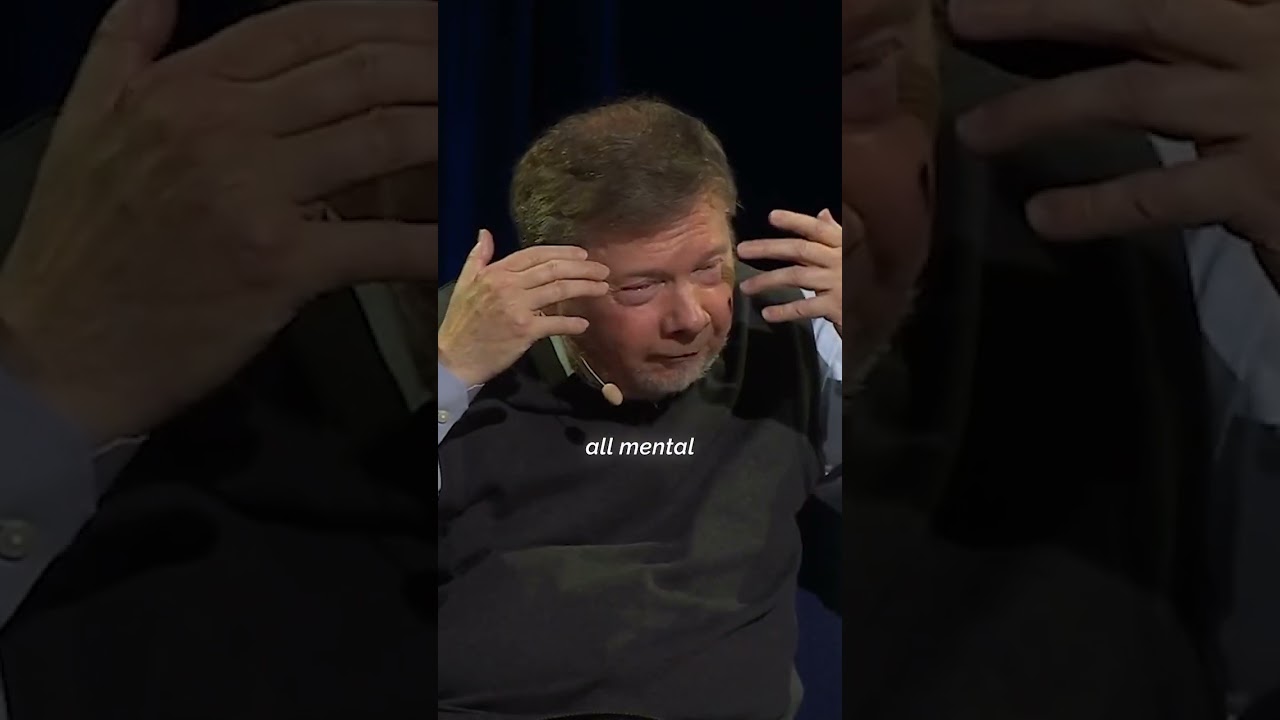
How the Mind Creates UnhappinessThrough Complaint and Conflict

Eckhart Tolle
Eckhart Tolle
Apr 17, 2026
6 min read

TLDR: The mind generates and sustains unhappiness by habitually engaging in complaint and conflict—patterns that feed the ego's sense of identity and separation. Rather than a problem to be solved through more thinking, unhappiness is recognized as a symptom of identification with the mind's narrative rather than presence itself. By observing how complaint operates without judging the habit, and understanding the ripple-and-ocean metaphor of consciousness, we can shift from mind-driven reactivity to a grounded presence that transforms relationships and lived experience.

Read · 6 sections

How Complaint Becomes a Self-Perpetuating Loop

One of the most overlooked mechanisms of suffering is the mind's habitual tendency to complain. Complaint is not merely venting frustration—it is a fundamental strategy the ego uses to maintain its sense of self. When you complain about a situation, a person, or circumstances, you are unconsciously reinforcing a story about yourself as a victim or as superior to what is happening. The ego needs this narrative to exist.

Eckhart Tolle points out that the ego literally thrives on complaint and conflict. These are not bugs in the system—they are features. The mind uses complaint to create a sense of separation: "I am the one who is wronged," "This shouldn't be the way it is," "That person is unfair." In each case, the mind creates an identity around grievance. Without complaint, the ego would lose one of its primary fuel sources.

This is why complaint can feel so compelling and automatic. It requires no external trigger—you can complaint about the weather, traffic, other people, your body, your circumstances, or even about your inability to stop complaining. The complaint becomes a loop that feeds itself. Each complaint generates a small sense of aliveness in the ego, a sense of being someone who knows better, who sees the injustice, who has the right to judge. This subtle sense of identity is intoxicating, even when the content of the complaint is painful.

Why More Thinking Cannot Solve Mind-Generated Unhappiness

A critical insight is that unhappiness generated by mind-identification cannot be solved by thinking more, analyzing more, or trying harder to fix things. This is because the unhappiness is not fundamentally about circumstances—it is about your relationship to the mind and its patterns.

When the mind generates unhappiness through complaint, your first instinct is often to think your way out of it: "How can I solve this problem? What am I doing wrong? How do I change the situation?" But this response keeps you trapped in the mind. You are using the same instrument that created the unhappiness—thinking—to try to escape it. This is like trying to dig yourself out of a hole with the same shovel that dug the hole deeper.

The shift that Tolle points toward is fundamentally different. Instead of engaging in more mental warfare, the practice is to notice the complaint as it arises, to observe it without judgment, and to recognize it as a symptom of mind-identification rather than a description of reality. This is not about suppressing complaint or forcing positivity. It is about seeing through the mechanism.

The Ripple and Ocean Metaphor: Understanding Separation and Connection

A transformative perspective emerges through the ripple-and-ocean analogy that Tolle employs to reframe how we relate to others. Imagine the ocean and a ripple on its surface. The ripple appears to be separate from the ocean—it has a distinct form, a beginning and end, a wave that rises and falls. But the ripple is not separate from the ocean. It is the ocean in motion. The energy and substance of the ripple are entirely of the ocean.

Similarly, individual consciousness appears distinct from universal consciousness, just as your personality and life circumstances appear separate from everyone else's. But just as the ripple is the ocean localized, you are consciousness—or presence—appearing as an individual. This perspective directly contradicts the ego's core belief in fundamental separation.

This metaphor completely changes how you see your relationship to every other person in your life. If you are a ripple in the ocean of consciousness, then so is everyone else. The person who frustrates you, who you complain about, who appears to be your enemy or obstacle—they too are the ocean manifesting in a particular form. This does not mean you approve of harmful behavior. It means you recognize the deeper nature shared with the other person, which naturally generates compassion and dissolves the hard boundary the ego maintains through complaint and judgment.

Complaint as a Loss of Presence

When complaint is present, presence is absent. This is not coincidental—they are mutually exclusive. Presence is the state of being aware of what is actually here, now, without the filter of narrative and judgment. Complaint is the activity of the mind creating a story about what should be different. These cannot occur simultaneously.

This reveals why presence is not a technique or achievement to pursue. It is what remains when the mind's complaint machinery stops. The moment you stop complaining, stop mentally defending, stop rehearsing grievances, you are already present. Presence is not something to attain; it is something to uncover by not occupying your attention with mind-generated narrative.

For this reason, the practice of presence is sometimes paradoxical: the more you try to achieve presence, the more you activate the mind and its complaint patterns. The softer approach is to simply notice how often you are caught in complaint, without making the complaint itself a problem that requires more effort to solve.

How Relationships Transform Through Presence Rather Than Mind-Work

Because complaint and conflict are so fundamental to ego identity, many people believe that better relationships require working on the mind: therapy, analysis, communication strategies, boundary-setting techniques. These tools have their place, but they often reinforce the illusion that the mind is the primary agent of change.

What Tolle points to is a more direct transformation: when you are truly present with another person, the complaint and judgment that poison relationships naturally fall away. You see the person as they are now, not as the story of who you believe them to be. You do not need to convince yourself to forgive or accept—when the mental narrative is not running, there is simply nothing to forgive. The complaint that creates distance was a creation of the mind, and without it, connection emerges naturally.

This does not make relationships problem-free. But it shifts the ground. Instead of two minds fighting for dominance through complaint and conflict, there is the possibility of two presences meeting. From that ground, genuine communication becomes possible.

Where to Go From Here

The immediate practice is simple: begin to notice complaint as it arises in your mind. Not to judge yourself for complaining, not to try to stop it, but simply to observe it. Notice the feeling of rightness that comes with complaint, the sense of identity it generates. Notice also what your experience is like when the complaint ceases, even for a moment. That shift—from mind-identification to presence—is the entire journey. It requires no technique, no belief system, and no accumulation of knowledge. It requires only the willingness to notice what is actually happening, now, without the mind's narrative filter.

Eckhart Tolle
AuthorEckhart Tolle

German-born spiritual teacher whose 1997 book The Power of Now became one of the most widely read spiritual works of the 21st century. After a profound transformation at 29 — movin…

View profileWebsite
Explore Topics
Ego-complaintPresence-consciousnessMind-identificationRelationships-conflictSpiritual-practice

Got Questions?

Frequently Asked Questions

Complaint creates a subtle sense of identity and aliveness in the ego. By complaining, you position yourself as someone who knows better or is wronged, which generates a small sense of self. This ego-reinforcement feels compelling even though the content of the complaint is painful, creating a self-perpetuating loop.
No. Unhappiness generated by mind-identification cannot be solved by more thinking, because thinking is the source of the problem. Using the mind to fix mind-generated unhappiness keeps you trapped in the same mechanism. The shift requires noticing the complaint without judgment and recognizing it as a symptom of mind-identification rather than reality.
The ripple appears separate from the ocean but is actually the ocean in motion. Similarly, you appear separate from universal consciousness but are actually consciousness localized in individual form. This understanding applies to others too—they are not fundamentally separate from you, which naturally generates compassion and dissolves the hard boundaries created by complaint.
When you are present, complaint and judgment fall away, and you see the other person as they are now rather than through the story your mind tells. Without the mental narrative, connection emerges naturally, and genuine communication becomes possible without the two minds fighting for dominance.
No. Presence is not an achievement—it is what remains when the mind's complaint machinery stops. The more you try to achieve presence through effort, the more you activate the mind. Instead, simply notice how often you are caught in complaint without making the complaint itself a problem to solve.
Begin by noticing complaint as it arises in your mind without judgment. Observe the feeling of rightness it generates and the sense of identity it creates. Notice also what your experience is like when the complaint ceases. That shift from mind-identification to presence is the entire practice.

Continue Reading

More from Eckhart

View All
God Beyond the Sky: Rethinking Divine Nature
Featured

God Beyond the Sky: Rethinking Divine Nature

God is not an external judge deciding human suffering. Suffering itself becomes the mechanism through which consciousness awakens to itself.…

1 min read
God, Suffering, and the One Life Across Traditions
Featured

God, Suffering, and the One Life Across Traditions

Eckhart Tolle explores how Islam, Buddhism, and Greek philosophy all point to the same ultimate reality—and why the problem of suffering dis…

1 min read
Why Humanity Cannot Sit in Silence: Disconnection from Being
Featured

Why Humanity Cannot Sit in Silence: Disconnection from Being

The root of human conflict lies in disconnection from the being dimension—the inability to find peace when alone. When disconnected from bei…

1 min read
Who You Really Are Beyond Surface Identity
Featured

Who You Really Are Beyond Surface Identity

You are not your body, name, or conditioned mind. Eckhart Tolle reveals the distinction between surface identity and deeper being.…

1 min read

Keep exploring

Continue your journey

More wisdom and gatherings from across the BrightStar directory.

More Articles

Browse the full library of teachings, interviews, and guides.

Back to all articles →

Teachers & Artists

Explore the lineages, musicians, and guides of the conscious world.

Explore artists →

Find an Event

Kirtan, retreats, sound baths, breathwork, festivals — happening soon.

Browse events →
Read more from BrightStarCreate Free Account
Host your own gatherings?Try the Demo