EveryEvent Dublin

Ver todos os Events

Find every event in Dublin

events

Concerts & Live Music
Festivals
Sports & Recreation
Food & Drink
Arts & Culture
Community
Family & Kids
Nightlife
Comedy
Theater
Destinos populares
BaliSedonaLos AngelesCosta RicaNew YorkSan FranciscoAustinMiamiJoshua TreeTulum
Ver todas as categoriasVer todos os destinos

Explorar todos os recursos

Ferramentas poderosas para expandir seus eventos

Recursos da plataforma

Precificação dinâmica inteligente
Categorias de ingressos
Lugares marcados
Recuperação de carrinho abandonado
Recuperação de visitantes
Doações e preço variável
Sistema de afiliados
Scanner de ingressos
Códigos de desconto
Perguntas personalizadas
Compartilhamento de ingressos
Upsells e complementos
Análises e relatórios
Sequências de e-mail
Lista de espera / Notificar / Lembrar
Explorar
Discovery HubArtists & PerformersVenuesKnowledge Base
Ver todos os recursosSobre nós
PreçosBlog
Ver todos os eventos

events

Concerts & Live MusicFestivalsSports & RecreationFood & DrinkArts & CultureCommunityFamily & KidsNightlife

Destinos populares

BaliSedonaLos AngelesCosta RicaNew YorkSan Francisco

Explorar

Discovery HubArtists & PerformersVenuesKnowledge Base

Recursos da plataforma

Precificação dinâmica inteligenteCategorias de ingressosLugares marcadosRecuperação de carrinho abandonadoRecuperação de visitantesDoações e preço variávelSistema de afiliadosScanner de ingressosCódigos de descontoPerguntas personalizadasCompartilhamento de ingressosUpsells e complementosAnálises e relatóriosSequências de e-mailLista de espera / Notificar / Lembrar
Ver todos os recursosSobre nós
PreçosBlog
EntrarCadastrarOrganizadores de eventos
  • Browse All Events
  • Concerts & Live Music
  • Festivals
  • Sports & Recreation
  • Food & Drink
  • Arts & Culture
  • Community
  • Family & Kids
  • Nightlife
  • Todas as categorias →
  • All Destinations →
  • For Promoters
  • For Artists
  • For Venues
  • For Festivals
  • For Event Spaces
  • For Nonprofits
  • For Bloggers
  • For Speakers
  • Brand Ambassador
  • Case Studies
  • Rede de 350K+ compradores
  • Recuperação de carrinho abandonado
  • Precificação dinâmica inteligente
  • Categorias de ingressos
  • Eventos recorrentes
  • Lugares marcados
  • Sistema de afiliados
  • Lista de espera / Notificar
  • Scanner de ingressos
  • Widget incorporável
  • Event Syndication
  • Message Center
  • Integrations
  • Reports
  • Todos os recursos →
  • Sobre
  • The Ecosystem
  • Blog
  • Glossário
  • Inspiration
  • Central de ajuda
  • Contato
  • Documentação da API
  • Recursos da marca
  • Carreiras
  • Imprensa
  • Termos de Serviço
  • Política de Privacidade

Events

  • Browse All Events
  • Concerts & Live Music
  • Festivals
  • Sports & Recreation
  • Food & Drink
  • Arts & Culture
  • Community
  • Family & Kids
  • Nightlife
  • Todas as categorias →

Getaways

  • All Destinations →

For Organizers

  • For Promoters
  • For Artists
  • For Venues
  • For Festivals
  • For Event Spaces
  • For Nonprofits
  • For Bloggers
  • For Speakers
  • Brand Ambassador
  • Case Studies

Recursos

  • Rede de 350K+ compradores
  • Recuperação de carrinho abandonado
  • Precificação dinâmica inteligente
  • Categorias de ingressos
  • Eventos recorrentes
  • Lugares marcados
  • Sistema de afiliados
  • Lista de espera / Notificar
  • Scanner de ingressos
  • Widget incorporável
  • Event Syndication
  • Message Center
  • Integrations
  • Reports
  • Todos os recursos →

Empresa

  • Sobre
  • The Ecosystem
  • Blog
  • Glossário
  • Inspiration
  • Central de ajuda
  • Contato
  • Documentação da API
  • Recursos da marca
  • Carreiras
  • Imprensa
  • Termos de Serviço
  • Política de Privacidade
EveryEvent
© 2026 EveryEvent Dublin. Todos os direitos reservados.
Inspiration

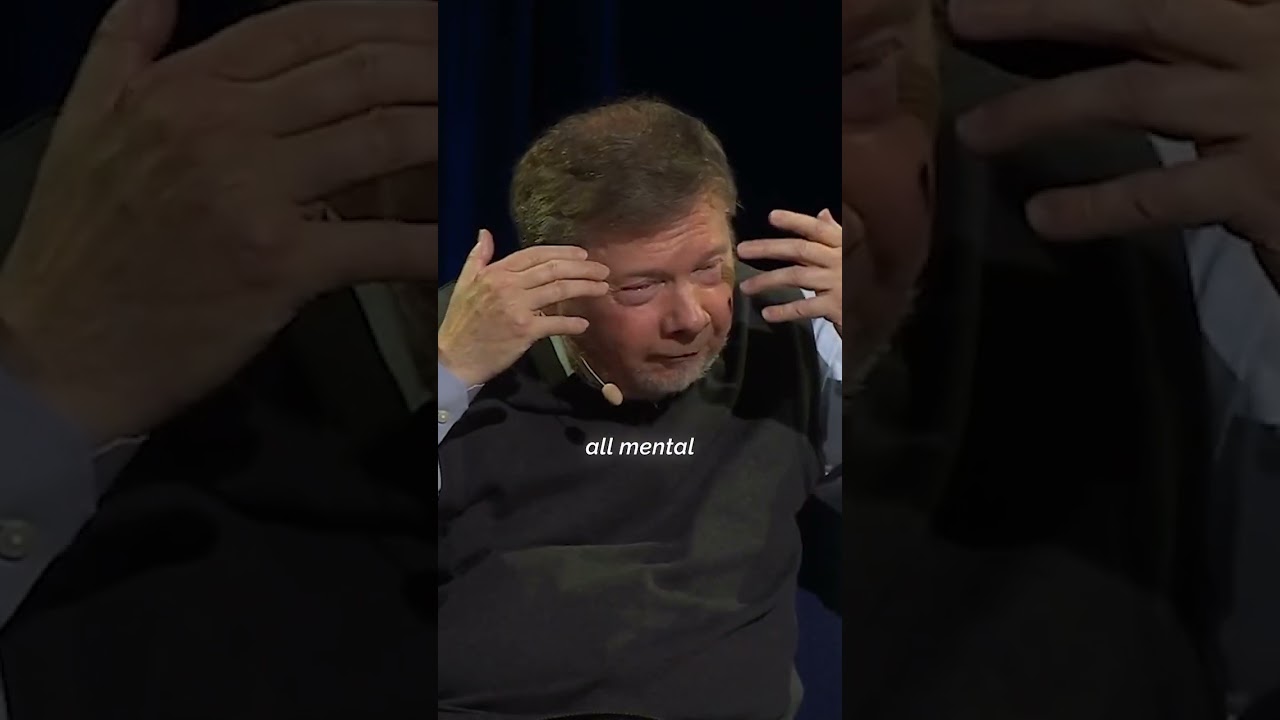
Beyond Thought: How toExperience Pure Presence

Eckhart Tolle
Eckhart Tolle
Nov 13, 2025
7 min read

TLDR: This teaching addresses the fundamental distinction between thinking about the present moment and directly experiencing it. When you cease the habit of trying to understand or analyze what is happening right now, the mind naturally quiets and dissolves into a state of pure being. What emerges in this dissolution is a dimension of peace and presence that exists prior to and independent of thought. This shift from conceptual knowing to direct feeling is not a technique to master, but a recognition of what already exists beneath the constant commentary of the thinking mind.

Read · 8 sections

What Is the Difference Between Understanding and Feeling the Present?

Most people live in a mode of constant interpretation. When something happens—a sensation arises, a person speaks, a situation unfolds—the mind immediately steps in to categorize it, judge it, relate it to past experience, and project future consequences. This interpretive overlay is what is meant by "understanding" the present. It is the ego's compulsive need to make sense of reality through the lens of accumulated knowledge and thought.

In contrast, feeling the present moment means direct sensory and intuitive perception without the mediation of conceptual thinking. When you see a color, hear a sound, or feel a texture, that raw perception occurs before thought labels and analyzes it. Pure presence operates at this level—prior to the naming, comparing, and interpreting functions of the thinking mind. The fundamental shift the teaching points toward is this: stop trying to make sense of what is and simply be aware of it as it is.

How Does Thought Dissolve Into Being?

Thought does not disappear through effort or suppression. Rather, it naturally relaxes its grip when attention withdraws from the compulsive thinking process itself. The moment you stop feeding thought with the question "What does this mean?" or "How should I react?"—the thinking process loses its fuel. What remains is consciousness itself, untethered from the constant generation of mental content.

This dissolution happens not through force but through a subtle shift in attention. When awareness rests directly on the present moment—on sensation, on the breath, on the simple fact of being alive right now—thinking loses its primary object. The mind, deprived of its interpretive work, naturally settles. What emerges is not blankness but a lucid, spacious awareness that is the foundation of all thought and perception. Being is not the absence of consciousness; it is consciousness freed from the tyranny of compulsive thinking.

What Is Pure Presence?

Pure presence is consciousness itself, uncontaminated by thought's constant evaluation and projection. It is not a state you achieve through doing, but rather a dimension of existence you reveal by ceasing certain mental habits. In pure presence, there is no separation between the observer and the observed, no temporal distance between yourself and the moment. Past and future collapse into an eternal now.

This dimension of being carries with it an intrinsic peace. This peace is not the result of things going well or circumstances being favorable. It is the peace of not being locked in conflict with reality. When thought dissolves, so does the resistance to what is. What is simply is, and consciousness witnesses this without judgment or struggle. This is why the teaching emphasizes that peace is your natural state—not something to be acquired, but something to be revealed when the obstacles of compulsive thinking are recognized and released.

Why Does Trying to Understand the Present Block Direct Experience?

The intellect operates by dividing reality into categories: this versus that, good versus bad, self versus other. It works through comparison, contrast, and causal explanation. But the present moment, in its living wholeness, cannot be captured by these mental constructs. The more you try to understand what is happening through conceptual thinking, the more you create distance from the direct experience of it. Understanding becomes a substitute for presence.

The paradox is that true understanding—the deepest insight into the nature of reality—comes not from more thinking but from the cessation of thinking. When you stop trying to comprehend the present conceptually and simply open awareness to it as it is, a different kind of knowing emerges. This is intuitive knowing, direct knowing, the kind that does not require thought to validate or explain it. The moment you feel your own aliveness right now—the sensation in your body, the quality of breath, the awareness aware of itself—you know something that no amount of thinking could provide.

What Is the Role of Sensation and Feeling?

Sensation and feeling are gateways back to the present moment because they cannot occur except in the now. You cannot feel something in the past or future; you can only feel in this moment. By shifting attention from the thinking mind to bodily sensation and emotional experience, you naturally anchor awareness in the present. This shift is not meant to deny thought or treat the mind as an enemy, but rather to restore it to its proper role as a tool rather than a tyrant.

When you stop understanding and start feeling, you are directing consciousness toward its direct object rather than toward thought's interpretation of that object. The warmth of sunlight on skin, the texture of breath moving in the body, the subtle pulse of aliveness throughout the organism—these are not concepts. They are the living fact of presence. By feeling them, you are not escaping reality; you are entering into it more fully.

How Does This Lead to Peace?

Most people experience suffering not from what is happening, but from their thoughts about what is happening. The actual sensory content of life—sight, sound, sensation, breath—is inherently neutral. But thought adds layers of meaning, comparison, and resistance: "This should be different," "I don't like this," "This is a problem I must solve." This resistance, born of thought's constant evaluation, is the source of psychological suffering.

When thought dissolves into pure presence, resistance dissolves with it. There is no longer a separate "me" fighting against reality. Consciousness is simply aware of what is, without the friction of judgment. This does not mean becoming passive or indifferent. Action and response can still arise naturally from presence, often with greater clarity and effectiveness than when driven by ego's anxious thinking. But the action no longer carries the burden of emotional suffering because it is not contaminated by resistance to what is.

Is This a Practice or a Recognition?

The teaching suggests this is primarily a matter of recognition rather than practice. You are not trying to become a different person or to build up some spiritual capacity. Instead, you are recognizing something that is already true: that beyond all thought, pure presence already exists. You are not creating peace; you are unveiling the peace that is obscured by habitual thinking.

That said, most people benefit from conscious redirection of attention. Whenever you notice yourself caught in thought, you can pause and ask: "Can I simply feel this moment instead of understanding it?" This gentle redirection is not a technique in the sense of something to be mastered, but rather a reminder to return to what is primary—direct presence—rather than the secondary activity of thinking about presence.

Where to go from here

The simplest first step is to pause and deliberately shift attention from thinking to sensation. In any moment of daily life, stop the internal commentary and notice: What do you see right now? What do you hear? What do you feel in your body? Not as concepts, but as direct sensory data. This simple act begins to reveal the dimension of pure presence that underlies all experience. With repeated recognition, the habit of compulsive thinking naturally loosens its grip, and the peace of being becomes more accessible. The deeper exploration involves recognizing the thinking mind not as an enemy but as a tool that serves presence, rather than obscures it.

Eckhart Tolle
AuthorEckhart Tolle

German-born spiritual teacher whose 1997 book The Power of Now became one of the most widely read spiritual works of the 21st century. After a profound transformation at 29 — movin…

View profileWebsite
Explore Topics
Pure-presenceThought-dissolutionEckhart-tolleNon-dual-awarenessPresence-meditation

Got Questions?

Frequently Asked Questions

Understanding involves the mind's interpretation, judgment, and conceptual labeling of experience. Feeling the present means direct sensory perception without mental commentary. When you stop trying to analyze what is happening and simply perceive it as it is, thought naturally quiets and deeper presence emerges.
Pure presence is not achieved through suppression but revealed when attention shifts from compulsive thinking to direct sensation. Simply redirect awareness to what you see, hear, and feel right now—without naming or judging it. This natural dissolution of thought happens when consciousness rests on immediate experience rather than mental interpretation.
The thinking mind has been conditioned to interpret reality for survival and sense-making. This habit is automatic and persistent. Recognizing this pattern without judgment is the first step; each time you notice yourself analyzing instead of feeling, you have the opportunity to gently redirect attention back to direct sensory experience.
Pure presence is consciousness aware of the present moment without mental commentary. It is not a state achieved through meditation technique, but a recognition of what already exists beneath thought. While meditation can support access to presence, pure presence itself is simpler—it is what remains when thinking stops.
Yes. Pure presence does not reject thinking but frees it from compulsion. The mind becomes a tool you use when needed, rather than a tyrant that runs constantly. From the spaciousness of presence, thought can arise and serve clear action without the burden of ego's endless commentary and resistance.
Suffering arises primarily from thoughts of resistance to what is, not from what is happening itself. When thought dissolves into presence, so does the resistance. Consciousness simply witnesses reality without judgment or struggle, revealing an intrinsic peace that was always present beneath the mind's noise.
Pure presence is not something to build or master, but something to recognize as already existing. You can gently redirect attention to sensation and presence whenever you notice yourself caught in thinking, but this is a reminder rather than a practice. Over time, the habit of presence naturally becomes more continuous.

Continue Reading

More from Eckhart

View All
God Beyond the Sky: Rethinking Divine Nature
Featured

God Beyond the Sky: Rethinking Divine Nature

God is not an external judge deciding human suffering. Suffering itself becomes the mechanism through which consciousness awakens to itself.…

1 min read
God, Suffering, and the One Life Across Traditions
Featured

God, Suffering, and the One Life Across Traditions

Eckhart Tolle explores how Islam, Buddhism, and Greek philosophy all point to the same ultimate reality—and why the problem of suffering dis…

1 min read
Why Humanity Cannot Sit in Silence: Disconnection from Being
Featured

Why Humanity Cannot Sit in Silence: Disconnection from Being

The root of human conflict lies in disconnection from the being dimension—the inability to find peace when alone. When disconnected from bei…

1 min read
Who You Really Are Beyond Surface Identity
Featured

Who You Really Are Beyond Surface Identity

You are not your body, name, or conditioned mind. Eckhart Tolle reveals the distinction between surface identity and deeper being.…

1 min read

Keep exploring

Continue your journey

More wisdom and gatherings from across the BrightStar directory.

More Articles

Browse the full library of teachings, interviews, and guides.

Back to all articles →

Teachers & Artists

Explore the lineages, musicians, and guides of the conscious world.

Explore artists →

Find an Event

Kirtan, retreats, sound baths, breathwork, festivals — happening soon.

Browse events →
Read more from BrightStarCreate Free Account
Host your own gatherings?Try the Demo