EveryEvent Dublin

すべてのEventsを見る

Find every event in Dublin

events

Concerts & Live Music
Festivals
Sports & Recreation
Food & Drink
Arts & Culture
Community
Family & Kids
Nightlife
Comedy
Theater
人気の目的地
BaliSedonaLos AngelesCosta RicaNew YorkSan FranciscoAustinMiamiJoshua TreeTulum
すべてのカテゴリを見るすべての目的地を見る

すべての機能を探索

イベントを成長させる強力なツール

プラットフォーム機能

スマートダイナミックプライシング
チケットカテゴリ
座席指定
カート放棄リカバリー
訪問者リカバリー
寄付とスライディングスケール
アフィリエイトシステム
チケットスキャナー
クーポンコード
カスタム質問
チケット共有
アップセルとアドオン
分析とレポート
メールシーケンス
ウェイトリスト / 通知 / リマインダー
探索
Discovery HubArtists & PerformersVenuesKnowledge Base
すべての機能を見る私たちについて
料金ブログ
すべてのイベントを見る

events

Concerts & Live MusicFestivalsSports & RecreationFood & DrinkArts & CultureCommunityFamily & KidsNightlife

人気の目的地

BaliSedonaLos AngelesCosta RicaNew YorkSan Francisco

探索

Discovery HubArtists & PerformersVenuesKnowledge Base

プラットフォーム機能

スマートダイナミックプライシングチケットカテゴリ座席指定カート放棄リカバリー訪問者リカバリー寄付とスライディングスケールアフィリエイトシステムチケットスキャナークーポンコードカスタム質問チケット共有アップセルとアドオン分析とレポートメールシーケンスウェイトリスト / 通知 / リマインダー
すべての機能を見る私たちについて
料金ブログ
ログイン新規登録イベント主催者
  • Browse All Events
  • Concerts & Live Music
  • Festivals
  • Sports & Recreation
  • Food & Drink
  • Arts & Culture
  • Community
  • Family & Kids
  • Nightlife
  • すべてのカテゴリ →
  • All Destinations →
  • For Promoters
  • For Artists
  • For Venues
  • For Festivals
  • For Event Spaces
  • For Nonprofits
  • For Bloggers
  • For Speakers
  • Brand Ambassador
  • Case Studies
  • 35万人以上のバイヤーネットワーク
  • カート放棄リカバリー
  • スマートダイナミックプライシング
  • チケットカテゴリ
  • 定期イベント
  • 座席指定
  • アフィリエイトシステム
  • ウェイトリスト / 通知
  • チケットスキャナー
  • 埋め込みウィジェット
  • Event Syndication
  • Message Center
  • Integrations
  • Reports
  • すべての機能 →
  • 概要
  • The Ecosystem
  • ブログ
  • 用語集
  • Inspiration
  • ヘルプセンター
  • お問い合わせ
  • APIドキュメント
  • ブランドアセット
  • 採用
  • プレス
  • 利用規約
  • プライバシーポリシー

Events

  • Browse All Events
  • Concerts & Live Music
  • Festivals
  • Sports & Recreation
  • Food & Drink
  • Arts & Culture
  • Community
  • Family & Kids
  • Nightlife
  • すべてのカテゴリ →

Getaways

  • All Destinations →

For Organizers

  • For Promoters
  • For Artists
  • For Venues
  • For Festivals
  • For Event Spaces
  • For Nonprofits
  • For Bloggers
  • For Speakers
  • Brand Ambassador
  • Case Studies

機能

  • 35万人以上のバイヤーネットワーク
  • カート放棄リカバリー
  • スマートダイナミックプライシング
  • チケットカテゴリ
  • 定期イベント
  • 座席指定
  • アフィリエイトシステム
  • ウェイトリスト / 通知
  • チケットスキャナー
  • 埋め込みウィジェット
  • Event Syndication
  • Message Center
  • Integrations
  • Reports
  • すべての機能 →

会社

  • 概要
  • The Ecosystem
  • ブログ
  • 用語集
  • Inspiration
  • ヘルプセンター
  • お問い合わせ
  • APIドキュメント
  • ブランドアセット
  • 採用
  • プレス
  • 利用規約
  • プライバシーポリシー
EveryEvent
© 2026 EveryEvent Dublin. 全著作権所有.
Inspiration

Bodhicitta and the Beginner's Mind:Cultivating Love Through Practice

Thich Nhat Hanh
Thich Nhat Hanh
Feb 11, 2026
5 min read
Watch · 5

TLDR: In the Buddhist tradition, bodhicitta refers to the mind of enlightenment or beginner's mind—a pivotal moment when the desire to practice arises from compassion. It emerges not as an escape from suffering, but as a commitment to transform your own suffering and the suffering of many others. This state is also called the mind of love because love motivates the entire practice. Bodhicitta marks the beginning of a spiritual path oriented toward liberation and service, rather than mere avoidance of pain.

Read · 6 sections

What is Bodhicitta in Buddhist Practice?

Bodhicitta is a Sanskrit term that translates to "mind of enlightenment" or "awakening mind." In Buddhist traditions, it describes a specific psychological and spiritual state—one that marks a fundamental shift in how a practitioner approaches their own suffering and the world. Thich Nhat Hanh defines it as the moment when you are inspired by the desire to practice in order to transform your suffering and help many people around you who suffer.

This is not a passive state of consciousness, but an active commitment. It is the recognition that practice itself—whether meditation, mindfulness, or ethical conduct—becomes meaningful when it serves a larger purpose than personal comfort. When bodhicitta arises, the motivation to practice deepens because it is rooted in compassion rather than mere self-improvement.

Why is Bodhicitta Called the Beginner's Mind?

The term "beginner's mind" might seem counterintuitive. One might expect that advanced practitioners would have moved beyond the beginner stage. However, in Buddhist understanding, the beginner's mind refers to a quality of openness, freshness, and authenticity that characterizes the moment when genuine spiritual aspiration awakens. It is called the beginner's mind because it marks the beginning of true practice—the moment when your intention becomes clear and your heart opens.

The beginner's mind is not about lacking experience; it is about approaching practice with sincerity and without pretense. It is the mind that shows up, ready to work, ready to face what is true. This quality can be cultivated again and again throughout one's practice, returning repeatedly to that original impulse of awakening.

What is the Connection Between Bodhicitta and Love?

Thich Nhat Hanh also refers to bodhicitta as the mind of love. This naming reveals something essential: the force that propels genuine spiritual practice is not fear or shame, but love. When you practice, you are not primarily trying to run away from suffering—though avoidance may be present. Instead, you want more than mere escape. You want to transform your own suffering and gain freedom so that you can help other people transform their suffering.

Love, in this context, is not sentimental. It is a clear-seeing compassion that recognizes your own pain and the pain of others as inseparable. It is the understanding that your liberation and the liberation of all beings are interconnected. When love motivates practice, the practice becomes joyful and sustainable, rooted in something deeper than obligation or guilt.

How Does Bodhicitta Differ from Running Away from Suffering?

A critical distinction in Buddhist practice is the difference between denial and transformation. Many people unconsciously practice in order to escape discomfort—to suppress thoughts, avoid difficult emotions, or achieve a state of pleasantness. This approach, while understandable, remains bound to the very suffering it seeks to flee.

Bodhicitta represents a different orientation. When this mind arises, you no longer seek to merely run away. Instead, you turn toward your suffering with interest and courage. You want to understand it, to work with it, and through that work, to become free. This freedom is not the absence of difficulty, but a fundamental shift in how you relate to difficulty. Once you have transformed your own suffering, you are equipped to help others do the same.

This is why bodhicitta is called beautiful. It is beautiful because it reflects a maturity of heart—a recognition that your own healing and the healing of the world are one process. The practice is no longer about you alone; it becomes a gift to all beings.

How Does Bodhicitta Relate to Helping Others?

The ultimate expression of bodhicitta is service. When this mind awakens, you recognize that the point of transformation is not personal achievement or spiritual status. The point is to be free in order to help other people—many other people—transform their suffering. This is not altruism as burden, but as joy. When you have touched your own capacity for healing, you naturally want to share that capacity with others.

In Thich Nhat Hanh's tradition of Engaged Buddhism, this principle becomes concrete. It means working for social justice, environmental healing, and peace, not from a place of moral superiority, but from a place of understanding that all suffering is connected. You practice so that you can show up more skillfully, more peacefully, and more effectively in service to all beings.

Where to Go From Here

To cultivate bodhicitta in your own practice, begin by noticing the quality of your motivation. When you sit to meditate or engage in practice, what is driving you? Is it escape or transformation? Is it self-interest alone, or compassion? There is no judgment in this inquiry—simply awareness. Over time, you can consciously water the seeds of bodhicitta by reflecting on the interconnection between your own freedom and the freedom of all beings. You might contemplate: How would my own healing serve others? What would become possible if I were free? As Thich Nhat Hanh teaches through Plum Village's Zen and the Art of Saving the Planet course, this beginner's mind of love is the foundation upon which all sustainable practice is built.

Transcript

[0:00] In the tradition of Buddhism, we speak

[0:03] of bodhichitta, the mind of

[0:06] enlightenment,

[0:10] the beginner's mind.

[0:14] The moment when you are

[0:17] uh

[0:22] inspired

[0:24] by the desire to practice

[0:27] in order to transform your suffering,

[0:31] in order to be able to help many people

[0:33] around you who suffer. That mind is a

[0:36] very beautiful.

[0:39] That mind is called the beginner's mind.

[0:43] And sometime we call it the mind of love

[0:48] because of love that you practice.

[0:53] You are not trying just to run away from

[0:56] suffering.

[0:58] Uh you

[1:00] want more than that. You want to

[1:03] transform your own suffering.

[1:05] You want to be

[1:07] free

[1:09] [clears throat] in order to help other

[1:11] people. Many other people

[1:14] to transform their suffering.

Thich Nhat Hanh
AuthorThich Nhat Hanh

Vietnamese Zen master, poet, and peace activist. Founded Plum Village in France and was central to the engaged Buddhism movement. His teachings on mindfulness, interbeing, and walk…

View profileWebsite
Explore Topics
BodhicittaBeginner-mindCompassionTransformation-sufferingEngaged-buddhism

Got Questions?

Frequently Asked Questions

Bodhicitta is a Sanskrit term meaning the mind of enlightenment or awakening mind. It describes the moment when the desire to practice arises from a commitment to transform your own suffering and help others transform theirs. It is also called the beginner's mind or mind of love.
Bodhicitta represents a shift from running away from suffering to transforming it. Rather than suppressing or avoiding pain, bodhicitta motivates you to face and understand your suffering so you can become free and help others do the same. This transformation-oriented approach is rooted in compassion, not avoidance.
Bodhicitta is called the mind of love because love—a clear-seeing compassion—is the force that motivates genuine practice. When love awakens, you recognize that your own liberation and the liberation of all beings are interconnected, and practice becomes joyful and meaningful rather than obligatory.
Yes. You can cultivate bodhicitta by noticing the quality of your motivation in practice, reflecting on the interconnection between your own healing and others' healing, and consciously watering the seeds of compassion. Over time, you can return again and again to this beginner's mind of openness and sincere intention.
The ultimate expression of bodhicitta is service. Once you have touched your own capacity for healing and freedom, you naturally want to share that capacity with others. In Engaged Buddhism, this means working for social justice, environmental healing, and peace from a place of understanding that all suffering is connected.
No. Bodhicitta is called the beginner's mind because it marks the authentic beginning of spiritual practice, regardless of how long you have been practicing. This quality of openness and sincere intention can be cultivated and returned to repeatedly throughout your spiritual journey.

Continue Reading

More from Thich

View All
Liberation Through Grief and Self-Worth in Buddhist Practice
Featured

Liberation Through Grief and Self-Worth in Buddhist Practice

Br. Phap Huu explores how recognizing our inherent goodness and learning to grieve openly within community liberates us from suffering and s…

1 min read
Living Gems Archive: Preserving Thích Nhất Hạnh's Dharma for the World
Featured

Living Gems Archive: Preserving Thích Nhất Hạnh's Dharma for the World

Living Gems is a searchable digital archive of Thích Nhất Hạnh's teachings, built by Plum Village to preserve and share the dharma globally …

1 min read
Embrace Suffering with Tenderness: A Practice of Self-Compassion
Featured

Embrace Suffering with Tenderness: A Practice of Self-Compassion

Learn how mindful awakening and intentional daily practices help us meet suffering with compassion rather than judgment, transforming our in…

1 min read
Coming Home Through Mindfulness: Self-Doubt and Worthiness
Featured

Coming Home Through Mindfulness: Self-Doubt and Worthiness

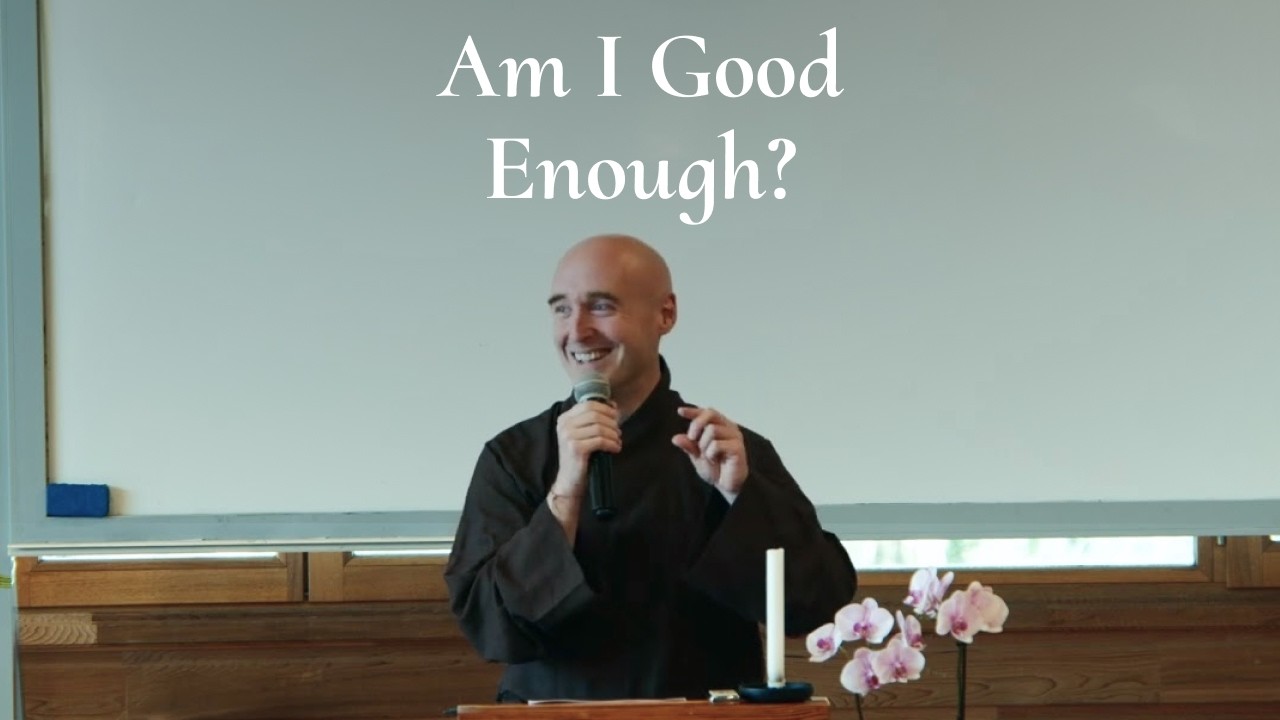
Br. Bao Tang explores the question "Am I good enough?" and how mindfulness and coming home to the present moment can free us from self-doubt…

1 min read

Keep exploring

Continue your journey

More wisdom and gatherings from across the BrightStar directory.

More Articles

Browse the full library of teachings, interviews, and guides.

Back to all articles →

Teachers & Artists

Explore the lineages, musicians, and guides of the conscious world.

Explore artists →

Find an Event

Kirtan, retreats, sound baths, breathwork, festivals — happening soon.

Browse events →
Read more from BrightStarCreate Free Account
Host your own gatherings?Try the Demo