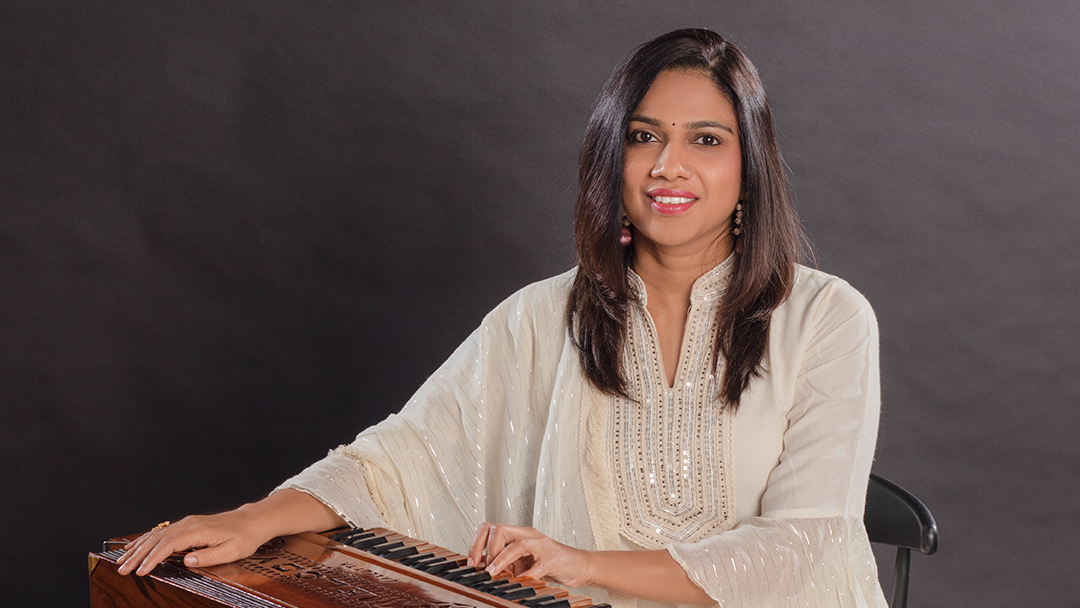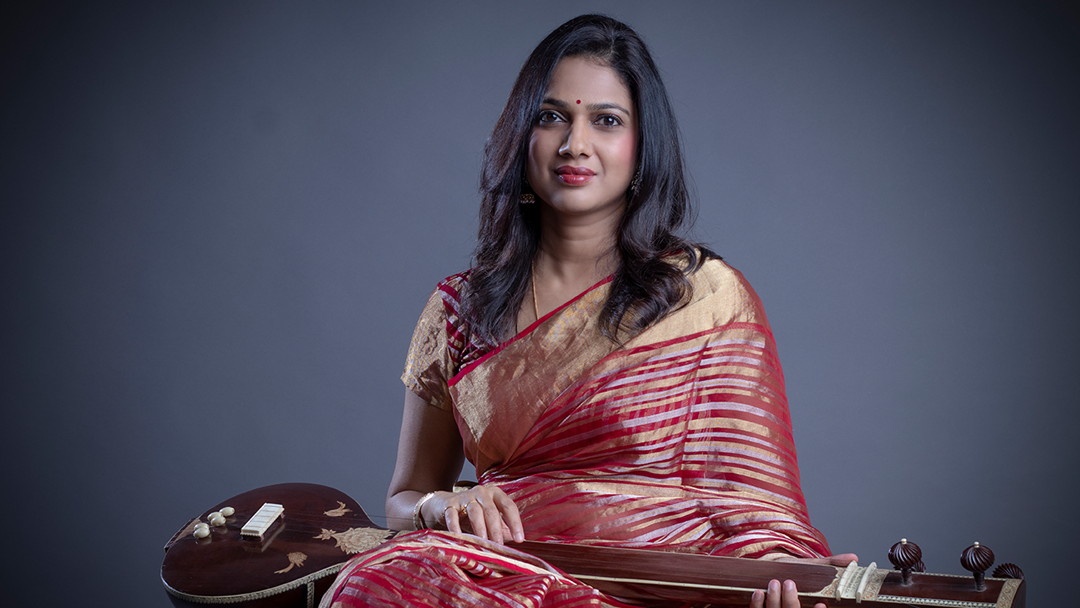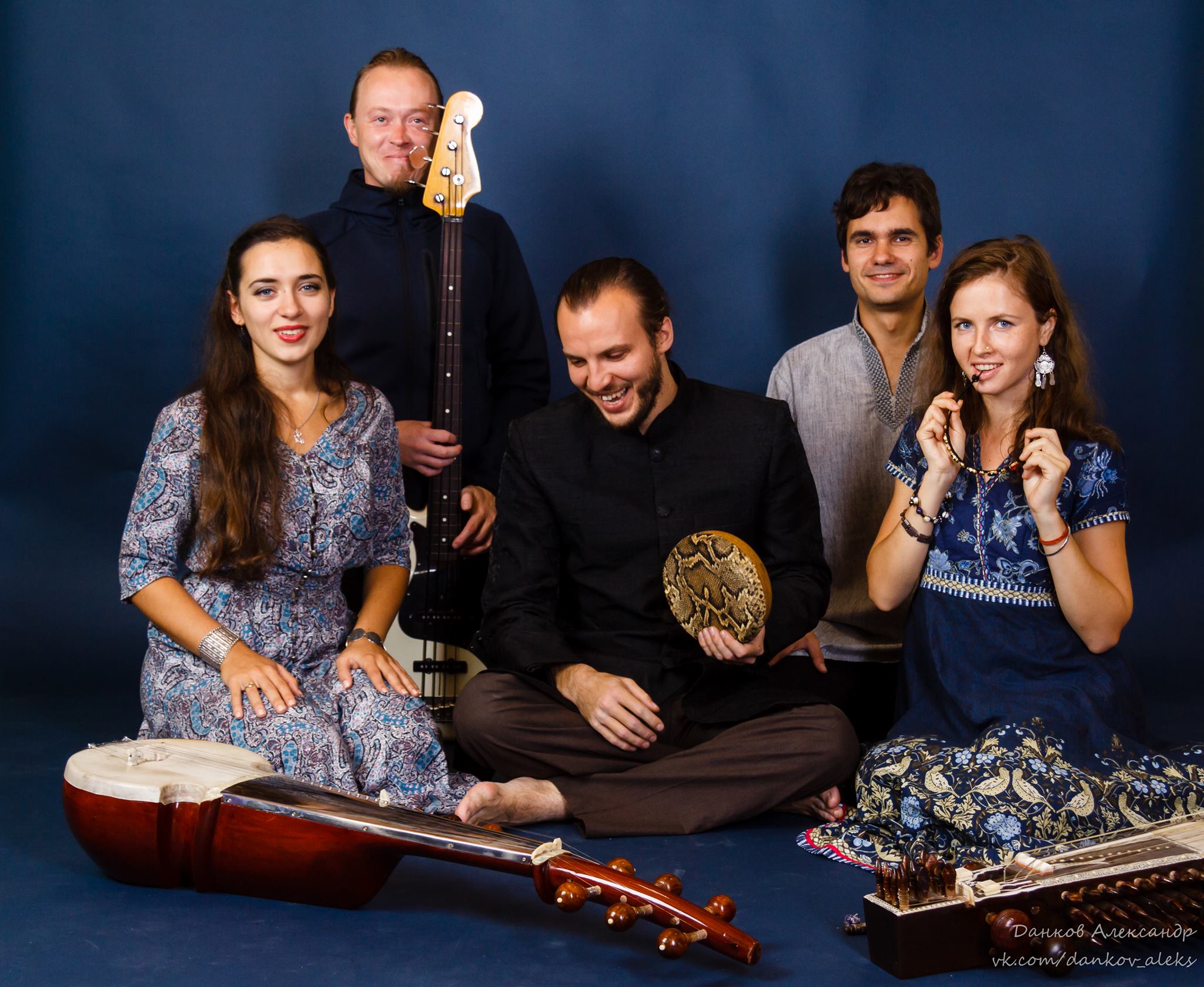

The problem with discovering Nastya Saraswati is that there's almost nothing to start with—and that's exactly why she matters.
Your only real option is tracking down her appearances on Dil Hai Hindustani from 2017. These televised performances, aired on Star Plus before millions of Indian viewers, remain the most accessible documentation of what makes Saraswati remarkable. Search for clips from the competition rounds where she made it to the finals. You'll see a Russian-trained violinist standing before judges Badshah, Shalmali Kholgade, and Shekhar Ravjiani, negotiating the gap between two musical universes in real time.
These aren't polished studio recordings. They're high-pressure performances that force her to make her synthesis legible to a mainstream audience. That constraint is useful for newcomers. You see the technique—the slides, the microtonal ornaments borrowed from sarangi playing, the bel canto phrasing applied to Hindustani forms—without needing a degree in ethnomusicology to appreciate what's happening.
Saraswati's violin doesn't sound like either tradition it draws from. It's not the crystalline precision of European chamber music, and it's not quite the vocal-imitative fluidity of classical Indian string instruments. It occupies a third space: a Western instrument being coaxed into gamakas and drone-based improvisation, techniques it wasn't designed for. Her vocal work—shifting between Sanskrit devotional phrases, Hindi film idioms, and Russian textures—deepens that sense of productive displacement.
First-timers often report feeling slightly disoriented. The music resists easy categorization, which means you can't fall back on familiar listening habits. That's intentional. Saraswati is mapping borderlands, not claiming territory.
Beginners frequently mistake this for fusion in the banal sense—a little bit of this, a little bit of that, everything smoothed into world music pablum. Saraswati's work is more rigorous than that. She's trained in both the Russian classical violin tradition and Hindustani forms. The synthesis isn't cosmetic; it's structural. She's not adding Indian "flavor" to Western technique or vice versa. She's asking whether a violin can genuinely think in raga terms, whether European bowing can internalize the physics of a gamaka.
Another misreading: treating her as primarily a spiritual or devotional artist because of the kirtan influences and the stage name referencing Saraswati, the Hindu goddess of knowledge and arts. The devotional material is present, but it's one element in a broader investigation of how instruments carry cultural memory and whether that memory can be rewritten.
Saraswati's music tends to hit people during periods of voluntary or involuntary displacement. It resonates with anyone negotiating multiple cultural inheritances, living between languages, or feeling unmoored from a single tradition. The work also finds its audience among musicians tired of genre purism—those who've internalized one vocabulary deeply enough to wonder what happens when you genuinely converse with another.
It's music for threshold states: migration, transition, the discomfort of not quite belonging anywhere and the freedom that discomfort eventually affords.
Day 1-2: Find and watch three different Dil Hai Hindustani performances. Notice how the instrument changes under her hands across different ragas or song structures.
Day 3: Research the technical terms you keep encountering: gamaka, bel canto, sarangi, gamakas. Understand what she's attempting technically, not just aesthetically.
Day 4-5: Listen to traditional Hindustani violin (try N. Rajam or L. Subramaniam) and Russian classical repertoire back-to-back. Map the distance Saraswati is crossing.
Day 6: Seek out her collaborations with tabla players or electronic producers if any surface recordings exist. See how the synthesis holds under different accompaniment.
Day 7: Return to the first performance you watched. You'll hear it differently now—less exotic, more structural. The real work begins here.