The Extraordinary Nature of Being
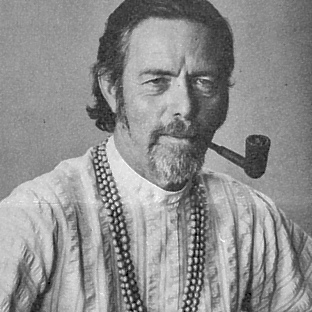
In his profound observation, Alan Watts suggests that we need not strive for extraordinary achievements or identities; rather, we should recognize our inherent nature as remarkable manifestations of existence, akin to trees and clouds. This perspective invites us to shift our focus from relentless doing to a deeper understanding of simply being. By seeing ourselves in this light, we can embrace our place within the vast tapestry of life, fostering a sense of wonder and acceptance that is often obscured by societal pressures and expectations.
This invitation to perceive ourselves as part of nature's extraordinary phenomena is not merely a philosophical musing; it is a call to awaken to the beauty of our existence. In a world that often equates worth with productivity and achievement, Watts encourages us to step back and appreciate the intrinsic value of our being. This shift in perspective can lead to profound transformations in how we relate to ourselves and the world around us, nurturing a sense of belonging and interconnectedness that is vital for our spiritual and emotional well-being.
The image / the metaphor
The imagery in Watts's quote evokes a vivid sense of natural beauty and simplicity. By comparing human beings to trees, clouds, and flowing water, he emphasizes the organic, unforced nature of existence. The verbs "see" and "are" suggest a passive yet profound realization that we do not need to strive or manipulate our identities; rather, we must simply recognize our place in the natural order. This perspective invites a gentle unfolding of self-awareness, where the extraordinary is not something to be achieved but something to be acknowledged.
In the speaker's tradition
Alan Watts's insights are deeply rooted in Zen philosophy, which emphasizes the importance of direct experience and the interconnectedness of all beings. Concepts such as *sunyata* (emptiness) and *prajna* (wisdom) resonate with his message, highlighting the idea that our perceived separateness is an illusion. In Zen, the realization of our true nature leads to a profound understanding of the self as part of the greater whole, echoing Watts's assertion that we are as extraordinary as the natural world around us.
In his work, Watts often draws upon the teachings of various Eastern traditions, including Buddhism and Taoism. For instance, the *Tao Te Ching* speaks of the effortless action of the Tao, where beings exist in harmony with the flow of life. This aligns beautifully with Watts's perspective, suggesting that when we see ourselves correctly, we can move through life with grace and ease, much like the natural elements he references. Such teachings encourage us to cultivate a sense of wonder and appreciation for our existence, fostering a deeper connection with the world.
Living the teaching
Consider a modern scenario where this teaching can be applied: a busy professional overwhelmed by deadlines and expectations. In the pursuit of success, they may feel disconnected from their true self, lost in a cycle of doing rather than being. By embracing Watts's perspective, this individual can take a step back, recognizing that their worth is not tied to their productivity. Instead, they can find solace in the understanding that they are part of a larger natural order, allowing them to approach their work with renewed clarity and purpose.
In relationships, this teaching can also be transformative. Imagine a couple facing conflict, each partner feeling the pressure to prove their point or win the argument. By shifting their focus from the need to be right to the recognition of their shared humanity, they can foster a deeper connection. Embracing the idea that they are both extraordinary phenomena of nature allows them to approach their differences with compassion and understanding, nurturing a sense of wonder in their relationship rather than division.
A reflection
As we contemplate Watts's profound words, we are invited to reflect on our own perceptions of self and existence. How often do we find ourselves caught in the cycle of doing, striving for validation or achievement? In what ways can we cultivate a deeper appreciation for our inherent nature and the extraordinary beauty of simply being? Let this question guide your contemplation, inviting you to explore the wonder that resides within you and the world around you.



Join the BrightStar Community
Stay connected with daily inspiration, event announcements, and community wisdom