As triathletes gear up for their next big race, the quest for speed and efficiency becomes paramount. One of the most effective ways to shave off precious seconds is through aero upgrades. In the recent Global Triathlon Network video, "Aero Upgrades Every Triathlete Needs," Heather tests various equipment modifications in a wind tunnel to determine how small tweaks can lead to significant gains. From hydration setups to helmet choices and wheel selections, these insights can help you enhance your performance, whether you're targeting a podium finish or simply striving for a personal best. Let's dive into the key findings and how you can apply them to your own setup.
Preparing for Marbella 70.3 World Champs
The Marbella 70.3 World Championships is a highly competitive event that attracts top triathletes from around the globe. Preparation for such a prestigious competition requires meticulous planning and fine-tuning of equipment. Heather’s approach in the video highlights the importance of aerodynamics, which plays a critical role in determining race outcomes. Understanding wind resistance and how it affects speed is essential for every athlete aiming to perform at their best.
In the lead-up to the Championships, athletes often assess their gear and make adjustments that can lead to improved performance. The wind tunnel tests conducted by Heather are particularly valuable as they provide empirical data on how specific setups can impact speed. Triathletes must approach their gear selection as carefully as they would their training regimen, ensuring that every detail is optimized for race day.
This preparation phase isn’t just about selecting the right equipment; it also involves a deep understanding of how different variables interact on the course. Factors like temperature, terrain, and wind conditions can all influence performance, making pre-race testing a crucial component. The insights gained from the wind tunnel tests can be the difference between a good race and a great one.
Heather’s Baseline Setup
Before diving into the aero upgrades, Heather established a baseline setup to measure the effectiveness of her equipment modifications. This is a critical step for any athlete, as it provides a point of reference against which all changes can be evaluated. The baseline setup typically includes essential gear such as the bike, helmet, hydration system, and clothing. Each component's performance is analyzed under controlled conditions to ensure accurate results.
The importance of a baseline cannot be overstated. Without it, athletes might make changes that do not yield any real benefits, wasting time and resources in the process. Heather's baseline measurements serve as a benchmark, allowing her to quantify the impact of various upgrades throughout the testing process. This methodical approach underscores the need for triathletes to understand their own equipment's performance before making any significant changes.
Additionally, establishing a baseline helps athletes identify areas where they may be losing time or efficiency. For instance, if a particular hydration setup results in excessive drag or if a helmet choice does not provide the necessary aerodynamic advantage, these issues can be addressed before race day. By analyzing her baseline setup, Heather sets the stage for meaningful improvements in her overall performance.
Using the Wind Tunnel to Find Aero Gains
The wind tunnel is a powerful tool for triathletes looking to maximize their aerodynamic efficiency. By simulating race conditions in a controlled environment, athletes can receive immediate feedback on how their gear performs against wind resistance. Heather’s use of the wind tunnel allows her to explore various configurations and determine which options yield the best results in terms of speed and efficiency.
One significant advantage of wind tunnel testing is the ability to make precise adjustments to gear and setup. For instance, small changes in bottle placement or helmet angle can lead to noticeable differences in drag. The data collected during these tests can reveal insights that might not be apparent during regular training rides. As a result, the wind tunnel becomes an essential resource for any serious triathlete aiming for peak performance.
Moreover, the findings from wind tunnel tests can often be applied across different racing scenarios. Understanding how various setups perform in the tunnel can give athletes a solid foundation for making informed decisions on race day. This knowledge can be invaluable, especially when conditions change unexpectedly during the event. The wind tunnel serves not just as a testing facility, but as a vital component of an athlete’s preparation strategy.
Run 1: Baseline Setup Test
In the first run of testing, Heather employs her baseline setup to gather performance data. This initial run is crucial, as it serves to establish a control for subsequent tests. The results from this run will be compared against the outcomes of future adjustments, allowing for a clear analysis of what specific modifications yield the best aerodynamic improvements.
The baseline test includes monitoring variables such as speed, power output, and any changes in body position. Each of these factors plays a role in overall performance, and understanding how they interact is essential for any triathlete. Heather’s commitment to thorough testing showcases the level of detail that serious competitors must invest in their preparation.
Following the baseline run, Heather is poised to make informed decisions about her gear based on empirical evidence. The data collected will not only help her identify which setups are most effective but will also guide her choices in terms of future investments in equipment. This process highlights the ongoing nature of performance optimization in the world of triathlon.
Run 1 Results & Test Conditions
The results from the first run provide valuable insights that inform Heather's next steps. By analyzing her speed and power output in relation to the conditions in the wind tunnel, she gains a clearer understanding of how her baseline setup performs under stress. This analysis is essential for identifying potential areas of improvement.
Test conditions, such as wind speed and direction, are meticulously controlled to ensure that results are reliable and replicable. Heather’s results emphasize the importance of consistency in testing, as even minor variations can lead to skewed data. Understanding the effect of these conditions allows athletes to better prepare for the unpredictable nature of race day.
Moreover, the results serve as a reminder of the dynamic relationship between equipment and performance. Even the best athlete can only perform as well as their gear allows. The insights gained from the initial run not only inform Heather's subsequent adjustments but also offer broader lessons for all triathletes looking to enhance their efficiency on the bike.
Hydration Setup: Testing & Results
Hydration is a critical component of any triathlon, and Heather’s tests focus on optimizing her hydration setup for maximum efficiency. The placement of bottles and the type of hydration system can significantly impact aerodynamics and speed. By testing different configurations in the wind tunnel, Heather is able to quantify the aerodynamic drag associated with each option.
In the video, Heather explores various bottle placements and systems to determine which setups allow for easy access while minimizing drag. The results highlight that even minor adjustments can lead to significant time savings over the course of a race. For example, a bottle positioned in a more aerodynamic location can reduce drag and enhance overall speed.
Ultimately, the data collected on hydration setups emphasizes the importance of finding a balance between accessibility and aerodynamic efficiency. Triathletes must be able to hydrate effectively during their race without sacrificing performance. Heather’s testing illustrates that this balance is achievable with careful planning and experimentation, providing actionable insights for athletes looking to improve their hydration strategies.
Aero Helmet vs Road Helmet: Which Is Faster?
One of the most debated topics in triathlon is the performance difference between aero helmets and traditional road helmets. In her testing, Heather directly compares these two types of helmets to assess their impact on speed. The results can be particularly eye-opening for triathletes who may not realize just how much a helmet choice can affect their performance.
Aero helmets are designed to reduce drag and improve airflow, which can lead to faster times on the bike. In contrast, road helmets often prioritize ventilation and comfort, which may come at the cost of aerodynamic efficiency. By directly comparing both options in the wind tunnel, Heather can provide concrete data on which helmet yields the best results for triathletes.
Ultimately, the choice between an aero helmet and a road helmet should be informed by individual racing style and conditions. For longer races or those with less climbing, an aero helmet may offer significant advantages. Heather’s findings encourage triathletes to consider their gear choices carefully, as the right helmet can make a tangible difference in race performance.
Wheel Testing: Disc vs Deep Rim Performance
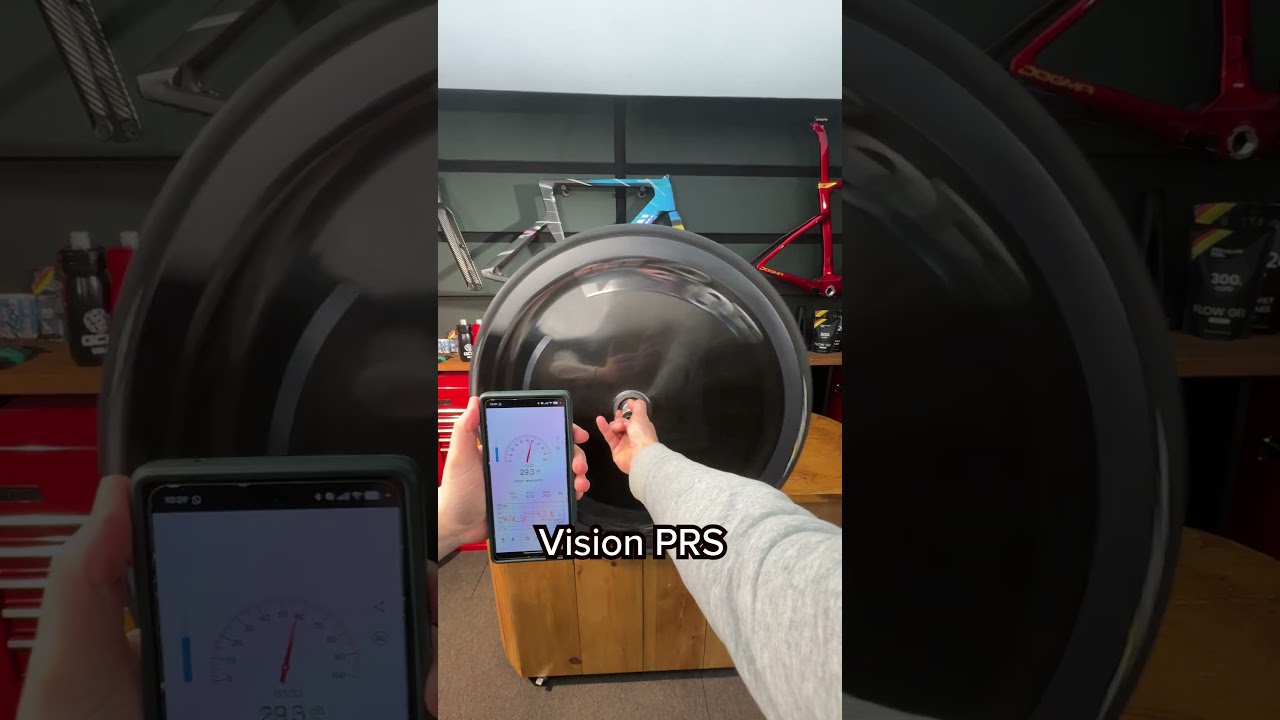
Wheels are another crucial component of a triathlete's bike setup, and Heather's tests on disc wheels versus deep rim wheels provide vital insights into their performance characteristics. The choice between these wheel types can greatly influence speed and handling, making it essential for athletes to understand their options.
Disc wheels are known for their aerodynamic advantages, particularly in flat conditions where wind resistance is a significant factor. However, they can sometimes be heavier and less responsive than deep rim wheels. By testing both options in the wind tunnel, Heather is able to quantify the differences in performance, offering valuable guidance to triathletes looking to optimize their bicycle setup.
The results of the wheel testing reveal that while disc wheels may provide a speed advantage, the context of the race—such as terrain and wind conditions—plays a crucial role in determining the best choice. Triathletes must consider their race strategy, the course profile, and personal preferences when selecting wheels to ensure they make the most informed decision possible.
Estimated Time Savings Over 90km Bike Leg
Based on Heather's testing, the estimated time savings from various aero upgrades over a 90km bike leg can be staggering. The cumulative effect of optimizing equipment—ranging from hydration setups to wheel choices—can add up to a substantial reduction in race time. This data emphasizes the importance of paying attention to every detail in a triathlete's setup.
For example, adjustments that save just a few watts can lead to minutes saved over a long distance. The focus on achieving small gains is a hallmark of elite performance, where every second counts. Heather’s findings illustrate that even minor tweaks can lead to significant improvements, especially in the context of a long race.
Additionally, the time savings associated with these upgrades can serve as motivation for athletes to invest in their gear. Understanding the potential return on investment in terms of performance can inspire triathletes to make thoughtful choices when it comes to equipment. As Heather demonstrates, the pursuit of speed is an ongoing journey that involves continuous evaluation and adjustment.
Real-World Takeaways
The real-world implications of Heather’s findings extend beyond just the wind tunnel. Triathletes can take actionable insights from the testing results and apply them to their own setups. Whether it's experimenting with different hydration placements or investing in an aero helmet, there are practical steps athletes can take to enhance their performance.
Moreover, the emphasis on testing and data-driven decision-making serves as a reminder that every athlete can benefit from a systematic approach to gear optimization. By applying the principles demonstrated in the video, triathletes can ensure that they are making informed choices that will pay off on race day.
Ultimately, the journey towards improved performance is not solely about individual components but about understanding how they work together as a cohesive unit. The insights gained from Heather’s testing provide a valuable framework for athletes looking to elevate their game and achieve their personal bests.
Watch the Full Video
Watch the complete video above for the full breakdown. For more endurance content, explore our latest articles, browse upcoming events, or discover athlete profiles on EnduranceFinder.