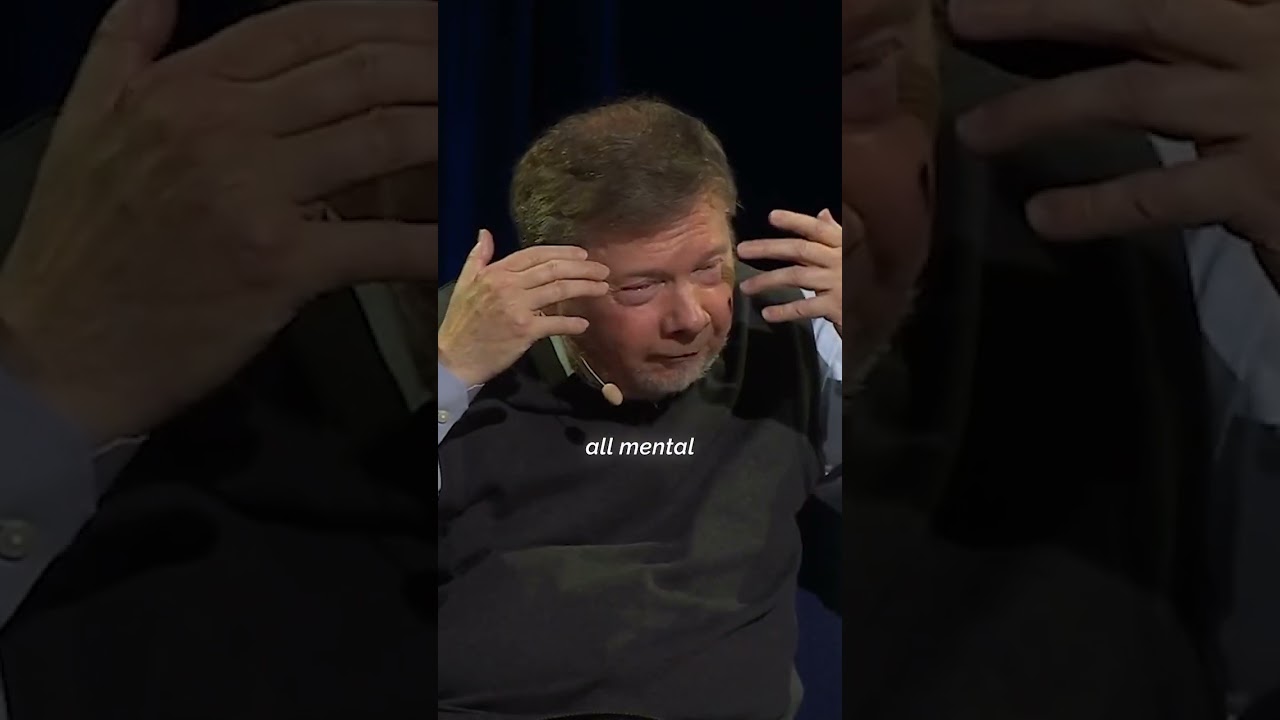
The quality of your actions depends less on what you intend to do and more on the state of consciousness from which you act. Presence—the capacity to be fully aware in the present moment—is the missing piece that transforms good intentions into genuinely wise action. Without presence, even well-meaning decisions can become muddled by unconscious patterns, ego, and mental noise. This teaching bridges the gap between motivation and outcome, suggesting that wisdom is not learned but accessed through a shift in your inner state.
What Is the Real Foundation of Wise Action?
Most people assume that good outcomes come from having the right intention or making the "correct" choice. Eckhart Tolle's teaching points to a deeper layer: the state of consciousness you bring to an action matters more than the action itself. Two people can take the same external action—speak a difficult truth, make a business decision, help a family member—yet the results differ drastically because of the quality of presence each person brings to that moment.
When you act from a place of unconscious reactivity, your action is filtered through conditioned thoughts, emotional wounds, and habitual patterns. Even if your conscious intention is good, the action itself carries the weight of that unconscious material. A parent might intend to help a child but act from anxiety or control. A leader might intend to make a fair decision but act from defensive ego. The intention and the actual energetic quality of the action are misaligned.
Presence changes this. Presence is the direct experience of being alive now—not lost in thoughts about the past or future, not filtered through the noise of the thinking mind. When you are truly present, your actions flow from something clearer, less distorted by the accumulated patterns of your conditioning.
How Does Presence Transform Intention Into Wisdom?
Intention alone is a thought about the future. You decide what you want to accomplish and set your mind on it. But between the intention and the action lies the quality of your presence—or lack thereof. When you move through life without presence, that gap is filled with unconscious reactions, fear, and old patterns. Your action becomes a mechanical expression of those patterns, regardless of your conscious intention.
Wisdom, by contrast, arises in the present moment. It is not something you learn from books or extract from past experience in the ordinary sense. Wisdom emerges when consciousness itself is fully engaged with what is happening now. In that state, you see more clearly. You're not operating from a split mind—part of you planning, part of you worrying, part of you defending. You are integrated.
When you act from presence, several things shift:
- Clarity increases. You see the actual situation rather than your story about it. This reduces misreading others' needs and motivations.
- Flexibility appears. You're not locked into a predetermined script based on past patterns. You can respond to what is actually needed in the moment.
- Timing improves. Many unwise actions result from acting when the time is not right—from impatience or unconscious rushing. Presence brings an inner knowing of the right timing.
- Integrity consolidates. When your inner state aligns with your action, there's no split energy. People sense this integrity, and it creates different outcomes in relationships and endeavors.
This is not about controlling your actions better or trying harder. It's about shifting the inner state from which action arises. The same intention, held in a state of presence rather than mental noise, becomes wise action.
What Is the Difference Between Unconscious and Conscious Action?
Unconscious action is habitual. You react based on conditioning without real awareness. A person might snap at their partner during stress without noticing they're doing it—it's automatic. Another might make a business decision based on an old fear of scarcity, not realizing that fear is driving them. The action happens, but the person is asleep to what's actually occurring.
Conscious action requires you to be awake to what you're doing and why. This doesn't mean analyzing everything. It means being present enough that you notice your impulses, your emotional state, and the actual impact of your words and choices as they happen. In that awareness, you have the freedom to choose differently.
The gap between unconscious and conscious action is the gap between being run by your conditioning and being able to respond to life. In presence, you are not lost in the story of "I'm angry" or "I'm afraid"—you notice anger or fear as a present experience, and from that noticing, you have a choice. Without that presence, there is no real choice; there is only reaction dressed up as decision.
How Can You Bring More Presence to Your Decisions?
Presence is not something you achieve once and keep. It's a capacity that develops through practice and recognition. A few practical orientations help:
Pause before acting. The gap between impulse and action is where presence lives. A simple breath, a moment of stillness—these tiny pauses create room for consciousness to arrive. Without them, you're operating on momentum.
Notice your inner state. Before you speak, decide, or act, check in: What am I feeling right now? Am I peaceful or tense? Am I reacting from the past or responding to what's here? This simple noticing is already presence.
Accept the present. Much unconscious action comes from resistance to what is. You reject the current situation and react from that resistance. Presence begins with accepting what is true right now, even if you don't like it. From acceptance, action flows more naturally.
Return to the body. The thinking mind loves to drift into past regrets and future worries. When you notice this, bring attention to your body: feel your feet, your breath, the sensations present now. This anchors you in the actual moment.
Trust the silence. You don't need to have a complete plan or think your way to the right choice. Often wisdom emerges in the space between thoughts. Allow some silence in your decision-making rather than filling every gap with more thinking.
Why Do Good Intentions Often Fail?
A common human experience: you set an intention to be more patient, more kind, more present—and for a while, willpower carries you. Then something triggers you, and you revert to your old pattern. The intention was genuine, but it lacked the foundation of presence. Without presence, intention is just a thought you're trying to enforce on yourself, and the unconscious patterns eventually override that mental effort.
Intentions fail when they're simply mental commitments, separate from your actual state of being. They succeed when the intention arises from a shift in consciousness itself. When you genuinely become more present, patience and kindness aren't things you're trying to do—they're what naturally emerges because your inner noise has quieted and you can actually perceive others more clearly.
This is why the teaching emphasizes that the missing piece is presence. You can have all the right intentions and still act unskillfully. But if you bring presence to your actions, your wisdom automatically increases because you're operating from a clearer, less distorted state of consciousness.
Where to go from here
The invitation in this teaching is to experiment with presence in your everyday life. Start small: before an important conversation, take three conscious breaths. In a moment of frustration, pause and notice what you're actually feeling. In decision-making, sit with the question for a moment before answering. These simple practices are not about becoming perfect or always being present—that's an impossible standard. They're about recognizing that the quality of your presence directly determines the quality of your action, and that presence is something you can cultivate.
Over time, this shifts your relationship to choice and responsibility. You begin to see that wisdom isn't something you lack—it's something you access when consciousness is clear. The missing piece was never the right technique or the right information. It was the quality of your presence in this moment, right now.