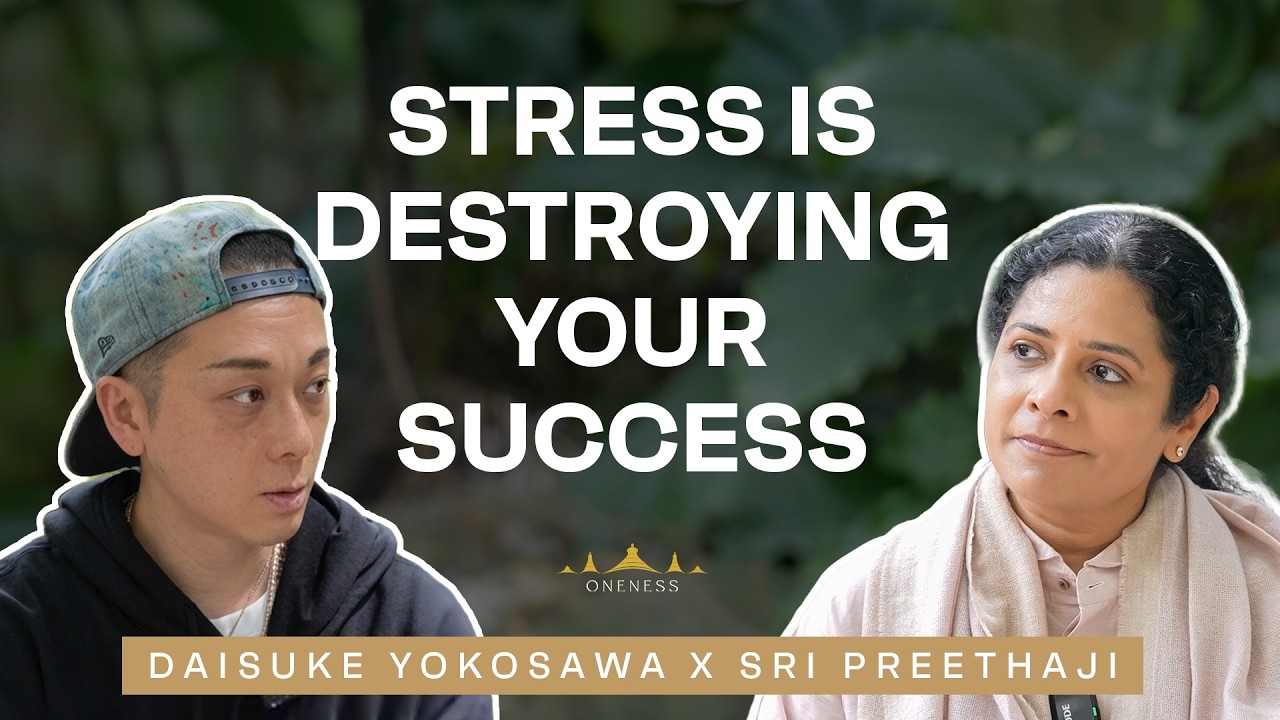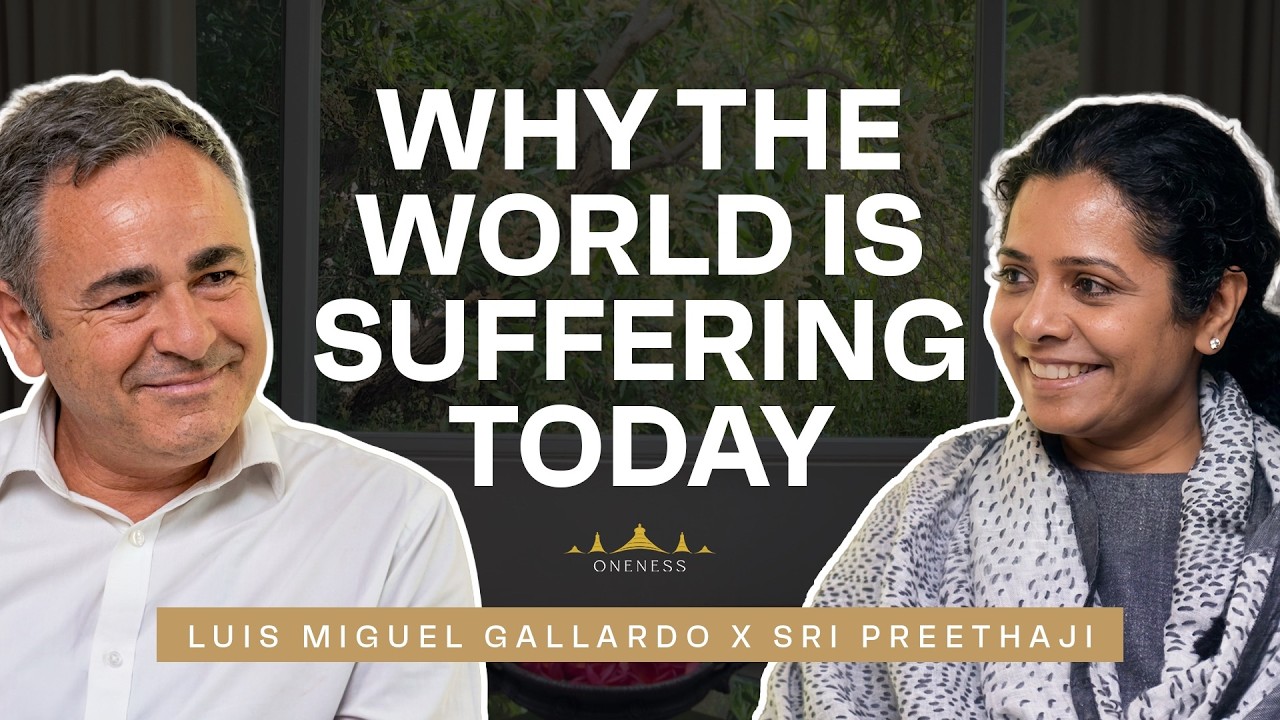
TLDR: Attempting to practice kindness while holding unresolved fear creates internal conflict and inauthentic behavior. Rather than suppressing fear or forcing kindness through willpower, Sri Preethaji teaches that genuine compassion emerges naturally when the inner state shifts from fear-based reactivity to genuine peace and joy. This requires transformation of the root inner condition, not behavioral modification.
The Paradox of Forced Kindness
Most people approach kindness as a moral practice—something to cultivate through effort, discipline, or conscious choice. Yet the lived experience often contradicts this approach. When you attempt to "be kind" while carrying unprocessed fear, resentment, or anxiety, the kindness feels hollow. It backfires not because you lack sincerity, but because the foundation beneath the action is unstable.
Sri Preethaji identifies the core problem: you cannot generate authentic kindness from a fearful inner state. Fear and kindness operate from different frequencies. Fear contracts; it makes you defensive, suspicious, and self-protective. Kindness expands; it requires openness and trust. When you attempt to layer kindness over fear through sheer willpower, you create a fractured internal experience—part of you performing kindness while another part remains braced for threat.
Why Your Inner State Matters More Than Your Actions
Conventional self-help often emphasizes behavioral change: "Act kind and you'll become kind." This assumes that actions drive states. But the Oneness teachings invert this understanding: your inner state generates your actions naturally. When the inner state is fundamentally fearful or conflicted, even "kind" actions arise from a compromised place.
This is not about morality or judgment. It is observation. A person caught in fear-reactivity cannot authentically access the generosity, patience, or genuine care that real kindness requires. The actions may look kind externally, but they lack the frequency of genuine compassion. Others sense this discontinuity. Children especially perceive the gap between what an adult says and the inner state from which it flows.
Transformation, by contrast, works at the source. If the inner state shifts—if fear naturally resolves and peace becomes your baseline—then kindness flows without effort. It becomes effortless because it is no longer suppressed fear trying to perform virtue; it is the natural expression of a peaceful, open inner state.
Transformation vs. Suppression
Sri Preethaji emphasizes a critical distinction: don't suppress the fear—transform it. Suppression is the failed strategy that leads to forced kindness. You feel afraid, resentful, or contracted, but you push those feelings down and "choose to be kind" anyway. This creates an exhausting inner split. The suppressed material doesn't disappear; it accumulates and eventually leaks out as irritability, impatience, or withdrawal.
Transformation is different. It means attending to the root conditions that generate fear. Why are you afraid? What needs are unmet? What beliefs about safety or belonging underlie the fear? As these deeper patterns are seen and understood, the fear naturally loses its grip. You don't force kindness; you become naturally kinder because the inner obstruction has been removed.
This approach aligns with contemplative and nondual traditions that teach awareness itself is transformative. When you bring conscious attention to fear without judgment or resistance, the fear shifts. It is not about willpower or moral effort; it is about consciousness itself.
The Inner State as the Real Work
From the perspective of Oneness teachings, the primary work is not behavioral—it is the cultivation and stabilization of an awakened inner state. This state is described as effortless joy, love, and compassion. These are not emotions you manufacture; they are the natural qualities of consciousness when it is no longer contracted by fear, belief, or identification with limitation.
When you operate from this state, kindness is not an achievement or a performance. It is simply what flows. You become naturally patient with difficulty because the inner state itself is spacious. You become naturally generous because there is no sense of scarcity or threat. You become naturally compassionate because you recognize the fear and contraction in others, having resolved it in yourself.
This is why many spiritual paths emphasize meditation, self-inquiry, or devotional practices that shift consciousness itself rather than practices aimed at behavior modification.
The Invitation to Awakening
Sri Preethaji & Sri Krishnaji invite practitioners to the Oneness Global Summit 2026 with the promise of awakening to "effortless joy, love, and compassion." This is not motivational rhetoric. It is a pointer to a genuinely different mode of being—one where kindness, love, and joy are not achievements but the baseline of an awakened consciousness.
The work, then, is not to become a kinder person. The work is to awaken to what you already are beneath the layers of fear and contraction. From that place, kindness is inevitable.
Where to go from here
If forced kindness feels exhausting or inauthentic, begin by observing your inner state without judgment. What fear or contraction is present? Rather than overriding it with behavioral kindness, turn attention toward understanding it. Meditation, self-inquiry, or working with a guide who understands consciousness transformation can help resolve these root patterns. As the inner state naturally opens, you will discover that kindness, compassion, and joy are not things to practice—they are what emerges when the obstacles to your true nature dissolve.