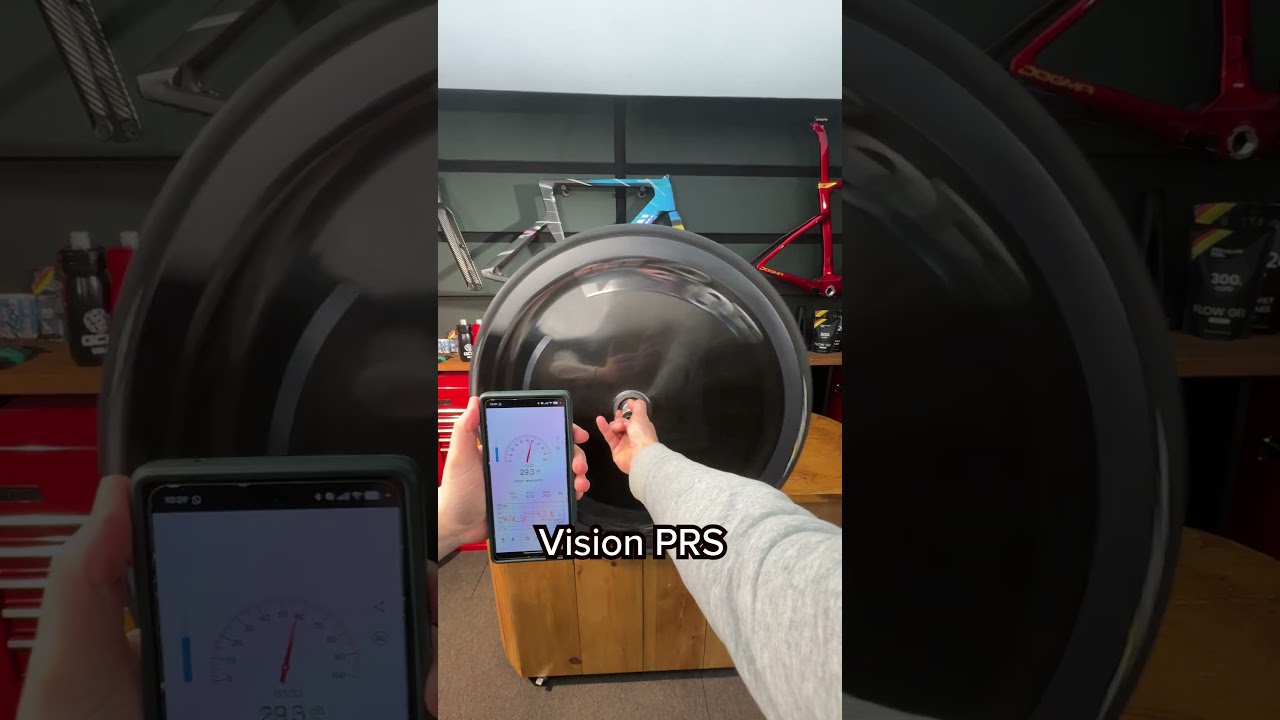
In the world of endurance sports, it's easy to forget that not every training session or race goes according to plan. The Global Triathlon Network's recent video, "GTN Bloopers | The Best Outtakes & Fails Of 2025," showcases the lighter side of triathlon, highlighting some of the most memorable moments that didn't quite hit the mark. From humorous mishaps to unexpected challenges, these bloopers remind us that even the most seasoned athletes face offbeat moments during their journey. In this article, we will take a closer look at these outtakes, extracting valuable lessons and insights that can enhance your own training and racing experience.
The Importance of Embracing Mistakes
One of the most significant takeaways from the GTN bloopers is the importance of embracing mistakes in training and competition. Every athlete, regardless of their experience level, has encountered moments of failure or awkwardness. Instead of letting these moments discourage you, use them as a learning opportunity. By analyzing what went wrong, you can make adjustments to your training or technique, ultimately leading to improved performance. Remember, every elite athlete has their share of missteps; it's how they respond that sets them apart.
For instance, if you find yourself struggling with a specific swim technique, rather than getting frustrated, consider recording your practice sessions. Reviewing footage can help you identify flaws in your stroke or breathing pattern. Implementing small changes can lead to significant improvements over time. The key is to remain patient and persistent, recognizing that each mistake is a stepping stone toward mastery.
Moreover, the camaraderie built through shared experiences of failure can strengthen bonds among training partners. Laughing off a blooper can create an environment of support and encouragement, which is essential in an individualistic sport like triathlon. Embracing the lighter side of training can foster a positive mindset, making the journey more enjoyable.
Common Training Mishaps
The GTN video captures a variety of training mishaps that many triathletes can relate to. Whether it's tripping during a run or miscalculating bike gear ratios, these bloopers highlight the unpredictability of endurance training. A common mistake among novice athletes is not practicing transitions adequately. Transitioning between disciplines is a critical part of triathlon racing that can often be overlooked during training.
To avoid transition mishaps, set up mock transition zones during your training sessions. Practice moving efficiently from swim to bike and then from bike to run, paying attention to the details of gear placement and preparing mentally for each switch. This will not only save you precious seconds on race day but also boost your confidence as you become more familiar with the process.
Additionally, ensure that your nutrition strategy is tested during training rather than saved for race day. Many athletes have experienced digestive issues from trying new gels or bars during competition. By practicing your nutrition plan in tandem with your training sessions, you can refine what works best for your body, minimizing the risk of discomfort during the race.
Gear Fails and Equipment Tips
Another key element highlighted in the blooper reel is equipment failures. From flat tires to broken bike chains, gear malfunctions can derail your training or race experience. One of the most critical steps in ensuring your equipment is race-ready is conducting regular maintenance checks. Before each ride, inspect your bike for any signs of wear and tear, paying special attention to the tires and brake pads.
Moreover, familiarize yourself with basic repair techniques, such as fixing a flat tire or adjusting your bike’s derailleurs. Investing time in learning these skills can save you valuable time during a race and prevent potential DNF (did not finish) situations. Every triathlete should carry a basic repair kit, including a spare tube, tire levers, and a multi-tool, especially during long training rides or races.
When it comes to running gear, ensure that your shoes are appropriate for your foot type and gait. Many athletes experience blisters or discomfort due to improper footwear. Consider visiting a specialized running store for a gait analysis, which can help you select the best shoe for your running style. Remember, comfort in your gear can significantly impact your performance and enjoyment of the sport.
Nutrition Blunders
Nutrition is another area where triathletes often face challenges, as illustrated by some of the bloopers in the GTN video. Many athletes have experienced the consequences of under-fueling during long workouts, leading to fatigue and decreased performance. It's essential to establish a nutrition plan that meets your energy needs based on the duration and intensity of your training.
As a general guideline, aim to consume 30-60 grams of carbohydrates per hour during endurance activities lasting longer than an hour. This can come from a combination of sports drinks, gels, or whole foods. However, it's crucial to experiment with different options during training to determine what works best for your digestive system.
Additionally, hydration plays a vital role in overall performance. Dehydration can lead to cramping, fatigue, and impaired cognitive function. Monitor your fluid intake before, during, and after workouts, and consider incorporating electrolyte-rich drinks during longer sessions. Keeping a hydration log can help you track your intake and adjust as needed, ensuring you arrive at race day well-hydrated and fueled for success.
Mindset and Mental Preparedness
The lighthearted moments in the GTN bloopers also serve as a reminder of the importance of maintaining a positive mindset. Endurance sports can be mentally challenging, and setbacks can lead to frustration or self-doubt. Learning to cultivate resilience and maintain a sense of humor during tough training sessions is crucial for long-term success.
Visualization techniques can be beneficial for building mental toughness. Before a race or challenging workout, spend a few minutes visualizing yourself overcoming obstacles and achieving your goals. This mental rehearsal can help you build confidence and prepare you for the demands of competition.
Moreover, consider incorporating mindfulness practices into your training routine. Techniques such as meditation or focused breathing can help reduce anxiety and improve your mental focus during workouts and races. By developing a strong mental game, you can better navigate the ups and downs of endurance sports, turning potential failures into opportunities for growth.
Community and Support Networks
One of the standout aspects of the GTN bloopers is the sense of community among athletes. The shared experiences of hiccups and humorous moments create bonds that can lead to lifelong friendships. Engaging with a supportive network can be invaluable, especially during challenging training periods or when preparing for major events.
Joining local triathlon clubs or participating in group training sessions can provide essential camaraderie and motivation. These communities often share resources, training tips, and encouragement, which can greatly enhance your overall experience. Additionally, training with others can help you stay accountable and committed to your goals.
Don't hesitate to reach out to fellow athletes for advice or support, whether through social media platforms or local meetups. The endurance sports community is vast and welcoming, and you may find yourself inspired by the stories and journeys of others, enriching your own experience in the sport.
Celebrating Small Victories
Finally, the GTN bloopers remind us to celebrate small victories, even amidst the failures. Whether you achieve a personal best in a training session or successfully execute a difficult transition during a race, these moments deserve recognition. Acknowledging your progress can help maintain motivation and encourage continued effort in your training.
Consider keeping a training journal to document your workouts, noting not only your accomplishments but also the challenges you face. Reflecting on your journey can provide insight into your growth as an athlete and help you stay focused on your long-term goals. Celebrating small wins can also foster a positive mindset and remind you of the joy that endurance sports can bring.
Ultimately, the journey to becoming a better triathlete is filled with ups and downs, and it’s essential to appreciate every moment. The bloopers showcased in the GTN video are a testament to the fact that laughter and resilience go hand in hand, reinforcing the idea that every athlete is, at their core, a work in progress.
Watch the Full Video
Watch the complete video above for the full breakdown. For more endurance content, explore our latest articles, browse upcoming events, or discover athlete profiles on EnduranceFinder.