EveryEvent Dublin

Ver Todos los Events

Find every event in Dublin

events

Concerts & Live Music
Festivals
Sports & Recreation
Food & Drink
Arts & Culture
Community
Family & Kids
Nightlife
Comedy
Theater
Destinos Populares
BaliSedonaLos AngelesCosta RicaNew YorkSan FranciscoAustinMiamiJoshua TreeTulum
Ver Todas las CategoríasVer Todos los Destinos

Explorar Todas las Características

Herramientas poderosas para hacer crecer tus eventos

Características de la Plataforma

Precios Dinámicos Inteligentes
Categorías de Entradas
Asientos Asignados
Recuperación de Carritos
Recuperación de Visitantes
Donaciones y Escala Móvil
Motor de Afiliados
Escáner de Entradas
Códigos de Cupón
Preguntas Personalizadas
Compartir Entradas
Ventas Adicionales
Análisis e Informes
Secuencias de Email
Lista de Espera / Notificar / Recordar
Explorar
Discovery HubArtists & PerformersVenuesKnowledge Base
Ver Todas las CaracterísticasSobre Nosotros
PreciosBlog
Ver Todos los Eventos

events

Concerts & Live MusicFestivalsSports & RecreationFood & DrinkArts & CultureCommunityFamily & KidsNightlife

Destinos Populares

BaliSedonaLos AngelesCosta RicaNew YorkSan Francisco

Explorar

Discovery HubArtists & PerformersVenuesKnowledge Base

Características de la Plataforma

Precios Dinámicos InteligentesCategorías de EntradasAsientos AsignadosRecuperación de CarritosRecuperación de VisitantesDonaciones y Escala MóvilMotor de AfiliadosEscáner de EntradasCódigos de CupónPreguntas PersonalizadasCompartir EntradasVentas AdicionalesAnálisis e InformesSecuencias de EmailLista de Espera / Notificar / Recordar
Ver Todas las CaracterísticasSobre Nosotros
PreciosBlog
Iniciar sesiónRegistrarseOrganizadores de Eventos
  • Browse All Events
  • Concerts & Live Music
  • Festivals
  • Sports & Recreation
  • Food & Drink
  • Arts & Culture
  • Community
  • Family & Kids
  • Nightlife
  • Todas las Categorías →
  • All Destinations →
  • For Promoters
  • For Artists
  • For Venues
  • For Festivals
  • For Event Spaces
  • For Nonprofits
  • For Bloggers
  • For Speakers
  • Brand Ambassador
  • Case Studies
  • Red de +350K Compradores
  • Recuperación de Carritos
  • Precios Dinámicos Inteligentes
  • Categorías de Entradas
  • Eventos Recurrentes
  • Asientos Asignados
  • Motor de Afiliados
  • Lista de Espera / Notificar
  • Escáner de Entradas
  • Widget Embebido
  • Event Syndication
  • Message Center
  • Integrations
  • Reports
  • Todas las Características →
  • Acerca de
  • The Ecosystem
  • Blog
  • Glosario
  • Inspiration
  • Centro de Ayuda
  • Contacto
  • Documentación API
  • Recursos de Marca
  • Carreras
  • Prensa
  • Términos de Servicio
  • Política de Privacidad

Events

  • Browse All Events
  • Concerts & Live Music
  • Festivals
  • Sports & Recreation
  • Food & Drink
  • Arts & Culture
  • Community
  • Family & Kids
  • Nightlife
  • Todas las Categorías →

Getaways

  • All Destinations →

For Organizers

  • For Promoters
  • For Artists
  • For Venues
  • For Festivals
  • For Event Spaces
  • For Nonprofits
  • For Bloggers
  • For Speakers
  • Brand Ambassador
  • Case Studies

Características

  • Red de +350K Compradores
  • Recuperación de Carritos
  • Precios Dinámicos Inteligentes
  • Categorías de Entradas
  • Eventos Recurrentes
  • Asientos Asignados
  • Motor de Afiliados
  • Lista de Espera / Notificar
  • Escáner de Entradas
  • Widget Embebido
  • Event Syndication
  • Message Center
  • Integrations
  • Reports
  • Todas las Características →

Empresa

  • Acerca de
  • The Ecosystem
  • Blog
  • Glosario
  • Inspiration
  • Centro de Ayuda
  • Contacto
  • Documentación API
  • Recursos de Marca
  • Carreras
  • Prensa
  • Términos de Servicio
  • Política de Privacidad
EveryEvent
© 2026 EveryEvent Dublin. Todos los derechos reservados.
Inspiration

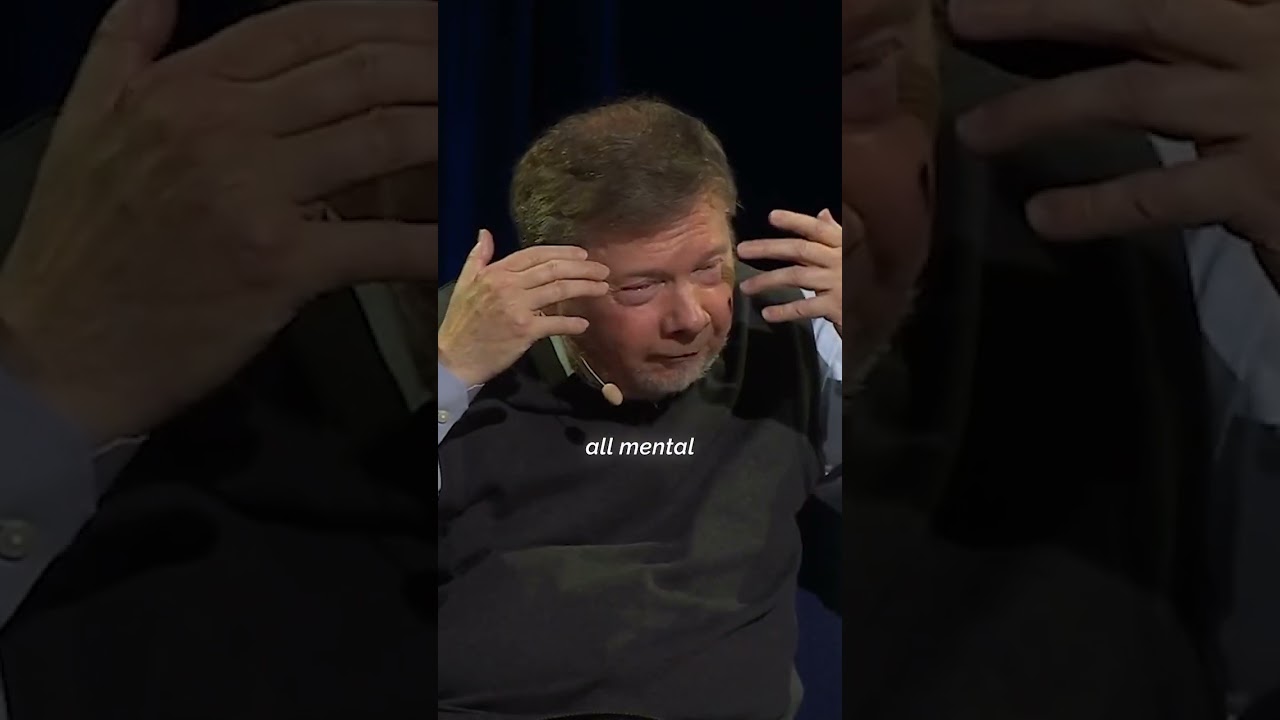
Why Love BecomesAnger in Relationships

Eckhart Tolle
Eckhart Tolle
Jan 7, 2026
5 min read

TLDR: Eckhart Tolle explores the paradox at the heart of many relationships: the same love that brings joy can become anger and resentment when that love is conditional on another person meeting our emotional needs. The core issue is not that love itself is flawed, but that we have outsourced our happiness to another person. When we make another person responsible for our emotional well-being, we create a system where disappointment, unmet expectations, and anger are inevitable.

Read · 7 sections

The Trap of Dependent Happiness

Many people enter relationships with an unexamined belief: that another person can make them happy. This is not a conscious contract, but rather a deeply embedded assumption rooted in how we were raised and what we absorbed from culture. When we unconsciously expect another person to be the source of our happiness, we've already built suffering into the equation.

The problem is structural. If your well-being depends on someone else's behavior, words, or presence, then every action they take becomes a threat or a promise. When they meet your expectations, you feel joy. When they disappoint you, you feel pain. You are no longer in control of your own emotional state—they are. This creates a fragile foundation for any relationship.

How Unfulfilled Expectations Turn Love Into Anger

In the beginning, relationships often feel magical because two people are meeting each other's expectations. Both partners are on their best behavior, both are attentive, both are generous with affection. The happiness feels real, and it is—but it is contingent on this perfect state continuing indefinitely.

What happens over time is inevitable: the other person fails to meet your expectations. They are tired, distracted, dealing with their own pain, or simply being human. They cannot sustain the level of attention and emotional nourishment you've unconsciously demanded. When this happens, the love doesn't disappear—but it transforms. The energy that created love becomes the fuel for anger and resentment.

This is not because love and anger are naturally connected, but because they spring from the same source: emotional dependency. The same person who once seemed perfect is now seen as a failure. The criticism that emerges—"You never listen," "You don't care," "You've changed"—is not new insight. It is the ego's way of protecting itself when its source of happiness has been threatened.

The Ego's Investment in Happiness

The ego cannot tolerate the loss of its happiness supply. When another person becomes responsible for your emotional state, the ego becomes invested in controlling that person's behavior. Anger, criticism, and resentment are tools the ego uses to regain control.

When a partner disappoints you, the anger that erupts may feel justified—it feels like a response to their failure. But beneath it is fear: the fear that this person cannot or will not provide what you need. And beneath that fear is a more fundamental issue: you have not learned to generate your own contentment independent of external circumstances or other people.

The Difference Between Conditional and Unconditional Love

The transformation of love into anger is the hallmark of conditional love—love that depends on someone meeting your needs. In this framework, love is a transaction. You give affection and attention expecting to receive the same in return. When the return doesn't come, you feel cheated.

Unconditional love operates on a different principle entirely. It is not dependent on the other person's behavior or emotional capacity. It does not require that they make you happy or solve your emptiness. This does not mean love becomes passive or that boundaries disappear. Rather, it means your love for someone is not contingent on them filling a void in you.

The shift from conditional to unconditional love is not something that happens through willpower or repeated affirmations. It happens through recognizing the fundamental truth: you cannot outsource your happiness to another person, and the attempt to do so is the root of your suffering.

Why Relationships Become Conflict Zones

Many relationships deteriorate into cycles of anger and withdrawal because both partners are trying to extract happiness from each other while being unable to generate it independently. Each partner feels the other's disappointment, which triggers their own defensiveness. Arguments escalate not because the partners don't love each other, but because both are operating from a place of emotional neediness.

In this dynamic, love does not eliminate conflict—it intensifies it. The more you love someone (or believe you need them), the more their failure to meet your expectations cuts. The anger that emerges is often proportional to the amount of hope you had invested in that person being your salvation.

Breaking the Pattern: Reclaiming Your Own Happiness

The only way to genuinely transform a relationship is to stop expecting another person to be responsible for your emotional state. This does not mean becoming emotionally distant or rejecting love. Rather, it means cultivating a sense of inner wholeness that is not dependent on another person's validation or attention.

When you are no longer unconsciously demanding that someone make you happy, your love for them becomes free. It is no longer laden with resentment, expectation, or the fear of abandonment. You can appreciate them for who they are rather than criticizing them for failing to meet an impossible standard.

The paradox is that relationships often improve dramatically when each person gives up the fantasy that the other person can make them happy. The pressure lifts. The criticism softens. The love that remains is not the intoxicating neurochemical high of the beginning, but something steadier: genuine appreciation for another human being.

Where to Go From Here

Examine your own relationships honestly. Where have you unconsciously expected another person to be responsible for your happiness? What expectations, when unmet, trigger anger or resentment? These are not signs that the relationship is wrong—they are signs that you have outsourced your emotional well-being. Begin the practice of generating your own contentment through presence, acceptance of what is, and recognition that your peace does not depend on someone else changing. This shift is the foundation for genuine, lasting love.

Eckhart Tolle
AuthorEckhart Tolle

German-born spiritual teacher whose 1997 book The Power of Now became one of the most widely read spiritual works of the 21st century. After a profound transformation at 29 — movin…

View profileWebsite
Explore Topics
Love-angerRelationshipsEmotional-dependencyEgoUnconditional-love

Got Questions?

Frequently Asked Questions

Love transforms into anger when we've made another person responsible for our happiness. When expectations go unmet, the same energy that created love becomes fuel for resentment and criticism. The anger reflects the ego's attempt to regain control of its emotional supply.
Yes, when love is conditional—dependent on the other person meeting your emotional needs. The love and anger spring from the same source: emotional dependency. Unconditional love, by contrast, is not contingent on someone's behavior and does not easily transform into anger.
Begin by recognizing that you've outsourced your emotional well-being to another person. Cultivate inner contentment independent of their validation or attention. As you become less emotionally dependent, the pressure and resentment in the relationship naturally decrease.
Conditional love is transactional—you give affection expecting to receive it in return, and anger emerges when the return doesn't come. Unconditional love is not dependent on the other person's behavior or emotional capacity to meet your needs.
In early relationships, both partners are meeting each other's expectations and feel happy. Over time, partners cannot sustain this perfect state indefinitely. When disappointment inevitably comes, the ego interprets it as failure and responds with criticism and anger.
Relationships in this dynamic often become conflict zones because both partners are trying to extract happiness from each other. The cycle breaks only when at least one partner stops demanding that the other be responsible for their emotional state.
When you stop unconsciously demanding that someone make you happy, the pressure lifts, criticism softens, and your love becomes free. The relationship often improves dramatically because each person is no longer measured against an impossible standard.

Continue Reading

More from Eckhart

View All
God Beyond the Sky: Rethinking Divine Nature
Featured

God Beyond the Sky: Rethinking Divine Nature

God is not an external judge deciding human suffering. Suffering itself becomes the mechanism through which consciousness awakens to itself.…

1 min read
God, Suffering, and the One Life Across Traditions
Featured

God, Suffering, and the One Life Across Traditions

Eckhart Tolle explores how Islam, Buddhism, and Greek philosophy all point to the same ultimate reality—and why the problem of suffering dis…

1 min read
Why Humanity Cannot Sit in Silence: Disconnection from Being
Featured

Why Humanity Cannot Sit in Silence: Disconnection from Being

The root of human conflict lies in disconnection from the being dimension—the inability to find peace when alone. When disconnected from bei…

1 min read
Who You Really Are Beyond Surface Identity
Featured

Who You Really Are Beyond Surface Identity

You are not your body, name, or conditioned mind. Eckhart Tolle reveals the distinction between surface identity and deeper being.…

1 min read

Keep exploring

Continue your journey

More wisdom and gatherings from across the BrightStar directory.

More Articles

Browse the full library of teachings, interviews, and guides.

Back to all articles →

Teachers & Artists

Explore the lineages, musicians, and guides of the conscious world.

Explore artists →

Find an Event

Kirtan, retreats, sound baths, breathwork, festivals — happening soon.

Browse events →
Read more from BrightStarCreate Free Account
Host your own gatherings?Try the Demo