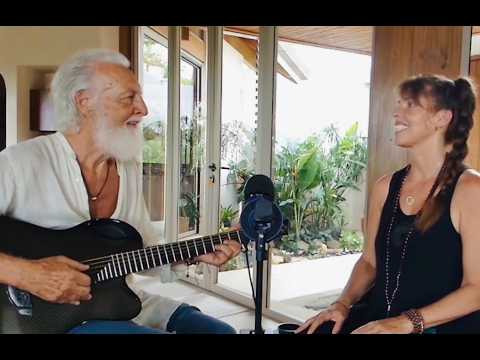
This teaching explores accessible, presence-based practices designed to shift how you experience and navigate daily life, particularly during difficult periods. The core approach centers on returning to the present moment through simple techniques that interrupt habitual thought patterns and reconnect awareness with direct experience. Rather than offering complex philosophies, the focus remains on practical methods that can be integrated into ordinary routines—whether facing personal crisis or seeking deeper peace in everyday moments.
What Does Presence Actually Mean in Daily Practice?
Presence, as taught in this context, is not a mystical or exotic state reserved for meditation halls. It is the simple act of being aware in the here and now—noticing what is actually happening rather than the stories, judgments, and narratives the mind layers onto experience. In daily life, most people operate on autopilot, their consciousness colonized by thoughts about the past or future. The mind rehashes what went wrong yesterday or rehearses anxiety about tomorrow, all while the actual present moment—where life is occurring—goes largely unnoticed.
The teaching suggests that this habitual absence from the present is the root cause of much unnecessary suffering. When you are caught in thought about a difficulty, you experience both the original difficulty and the mental elaboration of it. When you return to the present moment, you often find that what remains is simply what is—which, stripped of narrative overlay, is frequently manageable. A simple practice anchors awareness in direct sensory experience: noticing your breath, feeling your body in space, or observing sounds without labeling them as good or bad. These acts of attention break the trance of compulsive thinking and restore a more natural, aware state.
How Can You Use Your Body as an Anchor for Presence?
One of the most accessible entry points into presence is the body itself. Rather than trying to force the mind into stillness—a strategy that often backfires—you can gently redirect attention to physical sensation. Feel the weight of your body in your chair. Notice the temperature of the air on your skin. Sense the subtle aliveness that permeates your hands and feet. These simple acts of embodied attention do two things simultaneously: they pull your awareness out of the thinking mind and ground you in the reality of this moment.
The body is always present. It cannot exist in the past or future. When attention rests in bodily sensation, the mind's dominance over consciousness naturally diminishes. You may notice a felt sense of aliveness, a subtle energy or presence that has always been there but was obscured by mental noise. This is not something you create; it is something you uncover by stepping back from the constant chatter. Regular practice with body-based awareness trains the nervous system to settle and allows a different way of being to emerge—one characterized by ease and spaciousness rather than the contraction that typically accompanies thought-dominated consciousness.
What Role Does Acceptance Play in Transforming Difficulty?
When facing personal crisis or hardship, the instinctive response is usually resistance: fighting against what is happening, wishing it were otherwise, or sinking into despair about it. The teaching offers a counterintuitive alternative: acceptance. This does not mean passive resignation or endorsing harm. Rather, it means acknowledging the reality of what is occurring right now, without the additional layer of mental resistance that actually intensifies suffering.
There is a subtle but crucial difference between the pain of a difficult situation and the suffering created by resistance to that pain. When you accept that something difficult is present—you face financial hardship, grief, illness, or loss—you stop fighting an internal battle against reality itself. This frees enormous energy that was being consumed by denial and resistance. From this clearer place, constructive action becomes possible. You can make decisions, seek help, or adjust your approach without the fog of reactive emotion clouding your judgment.
Acceptance also reveals something unexpected: within most difficult experiences, there is potential for insight and growth. The teaching references the concept of the "dark night"—periods of intense struggle that, when met with awareness rather than just survival mode, can catalyze profound spiritual maturation. The difficulty itself becomes a teacher if you remain present to it rather than lost in the narrative about why it shouldn't be happening.
How Do You Work with Resistance and Negative Emotion?
Everyone experiences resistance—the mind saying "this shouldn't be happening," "I can't handle this," or "this is unfair." Rather than treating resistance as a problem to eliminate, the practice involves recognizing it as a pattern that can be observed. When you notice resistance arising, you have already created a small space between awareness and the reactive pattern. In that space, choice becomes possible.
A practical technique involves naming what is present without judgment. You might notice: "There is anger here," "There is fear," or "There is sadness." By observing the emotion rather than being completely identified with it, you shift from being the emotion to witnessing it. This subtle shift changes the entire dynamic. The emotion may still be present, but it no longer controls your consciousness. You can feel grief deeply while remaining aware that you are the awareness in which grief appears, not the grief itself.
Negative emotions often persist because they are fed by mental narration—the story you tell about why they are justified or what they mean. When you stop feeding the story and simply feel the sensation itself without the mental overlay, the emotion typically moves through you more naturally. It is like allowing a wave to pass through your body rather than trying to stop or dam it. This requires patience and repeated practice, but over time the nervous system learns that emotions are temporary phenomena rather than threats to be resisted.
What Are Simple Doorways Into Present-Moment Awareness?
The teaching emphasizes that presence is not something distant or difficult to access. You don't need special conditions, retreats, or years of meditation to touch it. Simple doorways are available throughout the day. One basic practice is conscious breathing—pausing for a few breaths and giving your full attention to the sensation of breath moving in and out. You can do this while waiting in traffic, in a work meeting, or sitting at your desk.
Another accessible practice involves sensory awareness: deliberately noticing five things you can see, four you can hear, three you can touch, and so on. This simple technique, sometimes called grounding or the 5-4-3-2-1 method, shifts attention from internal mental chatter to external direct perception. It works instantly and can be done anywhere.
Listening practice offers another doorway. Rather than planning what you'll say next while someone speaks to you, try genuinely listening—letting their words land without immediately filtering them through judgment or preparing a response. This act of open attention is itself a meditation and transforms the quality of relationship. It brings you into the present moment naturally and connects you with the other person more authentically.
Walking meditation or conscious movement is also mentioned as accessible. Rather than walking while lost in thought, you can deliberately feel each footfall, notice the movement of your body, and observe your surroundings freshly. Even thirty seconds of truly conscious movement can reset your state.
How Does Spiritual Growth Emerge from Darkness and Crisis?
The description references a teaching series specifically about finding meaning and growth during what contemplative traditions call the "dark night"—periods when former sources of meaning dissolve, when life circumstances become acutely difficult, or when inner collapse occurs. Rather than viewing these periods as purely destructive, the teaching suggests they hold unique potential.
In ordinary consciousness, the ego—the sense of separate identity bound up in achievements, possessions, relationships, and self-image—dominates. Life becomes about acquiring, protecting, and defending this identity. When crisis arrives, these defenses often fail. The protective structures collapse. In the disorientation and vulnerability that follow, something unexpected becomes possible: a shift in consciousness itself. When the false props of identity fall away, what remains is a more fundamental awareness, closer to your essential nature.
This reorientation is not pleasant in the moment. It involves real loss and real pain. But if you remain aware and present during the difficulty rather than entirely consumed by it, the very pressure of the situation can catalyze awakening. You begin to question what truly matters. You discover inner resources you didn't know you possessed. You may find that your happiness becomes less dependent on external circumstances and more rooted in a deeper ground of being. This is the paradoxical gift hidden within the dark night: the breakdown becomes a breakthrough.
Where to go from here
Begin with one simple practice. Choose the one that feels most accessible: conscious breathing, body awareness, sensory grounding, or present-moment listening. Practice it for just a few minutes daily. Notice what shifts when you step out of thought and into direct experience. If you are navigating a difficult period, experiment with acceptance rather than resistance—feel what becomes possible when you stop fighting what is and instead meet it with open awareness. The transformation described in these teachings does not depend on dramatic spiritual experiences or years of practice. It emerges naturally from the simple, repeated act of returning to presence. Over time, this practice rewires how you relate to experience and opens dimensions of peace and clarity that were always available but obscured by habitual mental patterns.