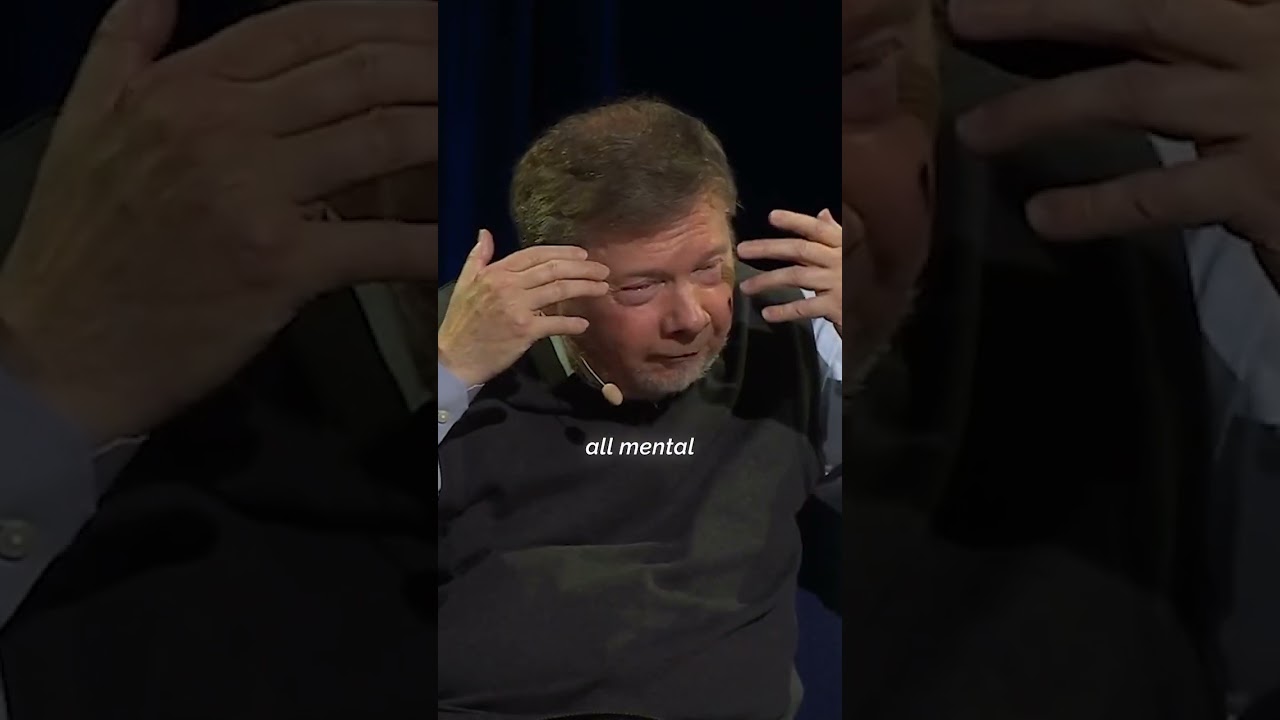
Impermanence and suffering are not obstacles to spiritual growth but invitations to awaken to a deeper identity beyond the egoic self. By recognizing the transient nature of all phenomena—thoughts, emotions, possessions, and even the body—we can transcend attachment and access a more fundamental, unchanging consciousness that underlies all existence. Suffering becomes meaningful not as punishment but as a teacher that reveals the limits of identification with form and opens pathways to genuine awakening.
Why Does Suffering Point Toward Awakening?
The relationship between suffering and awakening is paradoxical in modern spirituality. We typically view suffering as something to eliminate, yet many wisdom traditions suggest it holds transformative power. Eckhart Tolle explores this tension by reframing suffering not as a sign of failure but as an urgent signal that something in our relationship to life requires examination.
Suffering arises when we resist what is present. When we grip tightly to what is passing away—whether a moment of pleasure, a relationship, a job, or an identity we have constructed—we experience the friction of that resistance as pain. This pain, Tolle suggests, contains embedded wisdom: it reveals that we have built our sense of self on something fundamentally impermanent. A business that collapses, a body that ages, a reputation that shifts—these are not failures of the impermanent world but failures of the egoic mind to accept reality as it truly is.
The key insight is that suffering often arrives when the illusion of permanence crashes against the truth of constant change. Rather than adding more strategies to shore up that illusion—acquiring more, fixing more, controlling more—awakening begins when we stop and examine the belief system itself. What is it that suffers when impermanence touches what we thought was solid?
What Is the Deeper Identity Beyond Surface Existence?
Tolle's teaching points toward a distinction between the person we think we are and the consciousness in which all experience arises. The surface identity—the one constructed from memories, roles, achievements, and personal history—is by definition impermanent. It changes with circumstances, depends on external validation, and must eventually dissolve.
Beneath this constructed persona lies what could be called pure presence or consciousness itself. This is not a mystical abstraction but something accessible to direct experience in this moment. It is the awareness in which thoughts appear. It is the space in which emotions move. It is the aliveness that was present in childhood and is still present now, unchanged in its essential nature even as the mind and body have transformed.
This deeper identity does not have a future and does not carry the past. It cannot be damaged by loss because it owns nothing. It cannot be threatened by change because it does not cling to any form. The paradox is that when we stop trying to protect and preserve a false, constructed self, we discover something that was never under threat—an identity so fundamental that it is prior to the distinction between self and other, inside and outside.
How Does Impermanence Become a Teacher?
Impermanence is often experienced as loss or betrayal by the ego-mind. All things pass: beauty fades, relationships end, bodies weaken, circumstances shift. The ego responds to this truth with denial, distraction, or desperate attempts at control. Yet impermanence, precisely because it is absolute and unavoidable, can become the most direct path to awakening.
When we truly see that nothing we can grasp will remain as we wish it to be, the fundamental futility of ego-based striving becomes visible. This is not cause for despair but for liberation. The energy previously spent on impossible resistance can redirect toward something simpler: acceptance, presence, and alignment with how life actually moves.
Impermanence teaches that the only stability available is not in the forms we construct but in the act of being itself. A river is stable in its flowing, not in holding any particular water. A body is stable in its breathing, not in freezing any moment. Consciousness is stable in its witnessing, not in clinging to any content of experience.
Can We Find Freedom in Accepting What Cannot Be Changed?
The conventional mind seeks freedom through control—by controlling circumstances, others, outcomes, even our own thoughts and emotions. Yet this approach ensures perpetual unfreedom because it fights against the nature of existence itself. True freedom arrives through a radically different direction: acceptance of what is.
This acceptance is not passive resignation or spiritual bypassing. It is the clarity that sees: this moment is as it is. This body is aging. This economy will shift. This relationship will evolve or end. Loved ones will die. My mind generates thoughts I did not choose. Fighting these realities consumes enormous energy and generates suffering.
When we stop that internal struggle and simply allow what is to be as it is, something remarkable happens. The energy freed from resistance becomes available for appropriate action. We can respond to life's challenges more clearly because we are no longer divided against reality itself. We can grieve what is lost without being consumed by the belief that loss should not happen. We can enjoy what is present without the undercurrent of fear that it will vanish.
What Is the Difference Between Egoic Attachment and Deeper Engagement?
A critical distinction in Tolle's teaching is between egoic identification (clinging to form as self) and genuine engagement with life. The ego does not actually love people or activities—it loves the feeling of having, possessing, controlling, and being reflected back as important. This is why egoic attachment always carries anxiety: the ego's sense of self depends on things remaining as they are, which is impossible.
Deeper engagement arises when we participate in life without needing it to confirm our identity or guarantee our permanence. A parent can be fully present with a child without the undercurrent of "this child is mine, this relationship must continue exactly as it is." A person can work with full commitment without the underlying anxiety that their worth depends on success. An artist can create without measuring the creation against ego's need for recognition.
This is not indifference. In fact, freed from the ego's desperate grip, engagement often becomes more alive, more responsive, more genuinely caring—because it is not filtered through the fear and grasping of a self trying to survive through possession and control.
How Does Consciousness Relate to the Impermanent Body and Mind?
A fundamental shift in perspective occurs when we recognize consciousness not as a product of the brain but as the ground in which mind and body appear. The brain generates thoughts; consciousness is aware of thoughts. The body experiences sensations; consciousness registers them. Both brain and body are impermanent, continuously changing, yet the awareness in which these changes register has an unchanging quality.
This does not require belief in anything supernatural. It is direct observation: right now, there is awareness of whatever is present. That awareness has been continuous throughout your life even as every cell and every thought has changed. When you fall asleep, consciousness does not disappear—it continues, just without the usual objects (thoughts and sensations) that normally occupy it.
By recognizing consciousness as distinct from its contents, we find a ground of stability that does not depend on anything staying the same. The body can age, thoughts can change, emotions can shift—none of this touches the fundamental awareness in which these phenomena appear. This is the deeper identity that suffering points toward: not a better, improved version of your personality, but consciousness itself, which was never separate from you.
Where to Go From Here
Embracing impermanence is not a belief system to adopt but a direct practice. Begin by noticing where you create suffering through resistance—where you are insisting that something should be other than it is. Notice the thought patterns that reinforce a permanent self separate from all change. In these moments of noticing, something shifts. The mind's grip loosens slightly. Space opens. In that space is the possibility of genuine awakening: recognizing the changeless awareness in which all change occurs.