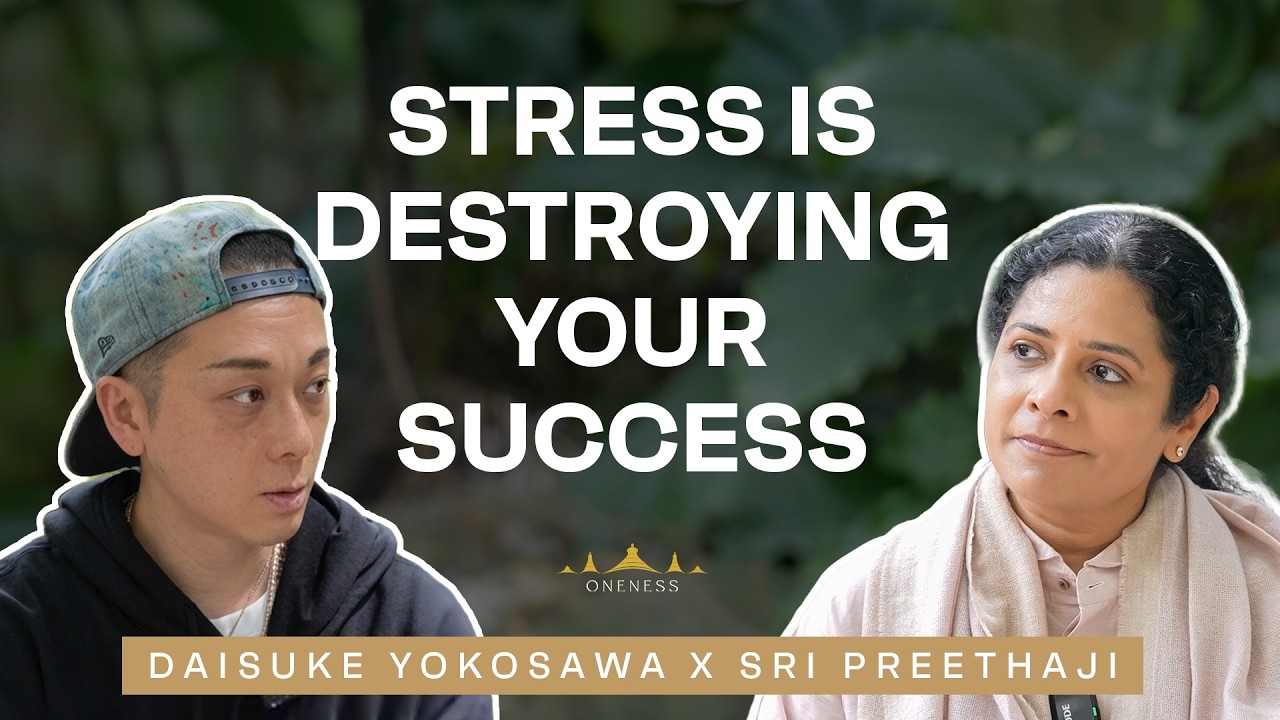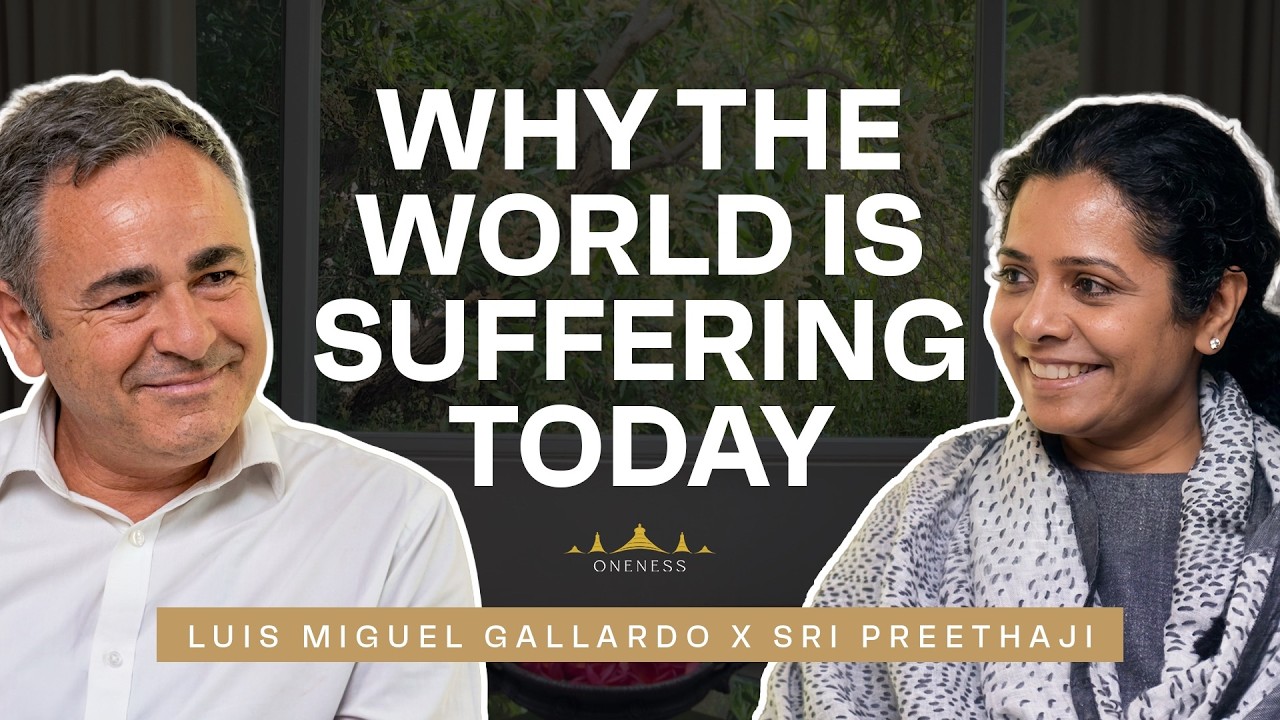
The Oneness Global Summit (July 2025) gathered thousands worldwide for a meditation-based consciousness event. Participants reported significant life changes within weeks, including relief from chronic stress, emotional healing, restored relationships, and expanded opportunities for abundance—using just 10 minutes of daily meditation practice. The summit returns in January 2026 as a free, 3-day online event, building on evidence that brief, consistent meditation can produce measurable shifts in well-being and perception.
What Happened at the First Oneness Global Summit?
In July 2025, the inaugural Oneness Global Summit brought together thousands of participants from around the world in a coordinated, online meditation experience. Rather than a traditional multi-day conference with lectures, the event was structured around a daily practice: 10 minutes of guided meditation. The brevity was intentional—not a limitation, but a design principle rooted in the understanding that sustained, accessible practice yields deeper results than sporadic longer sessions.
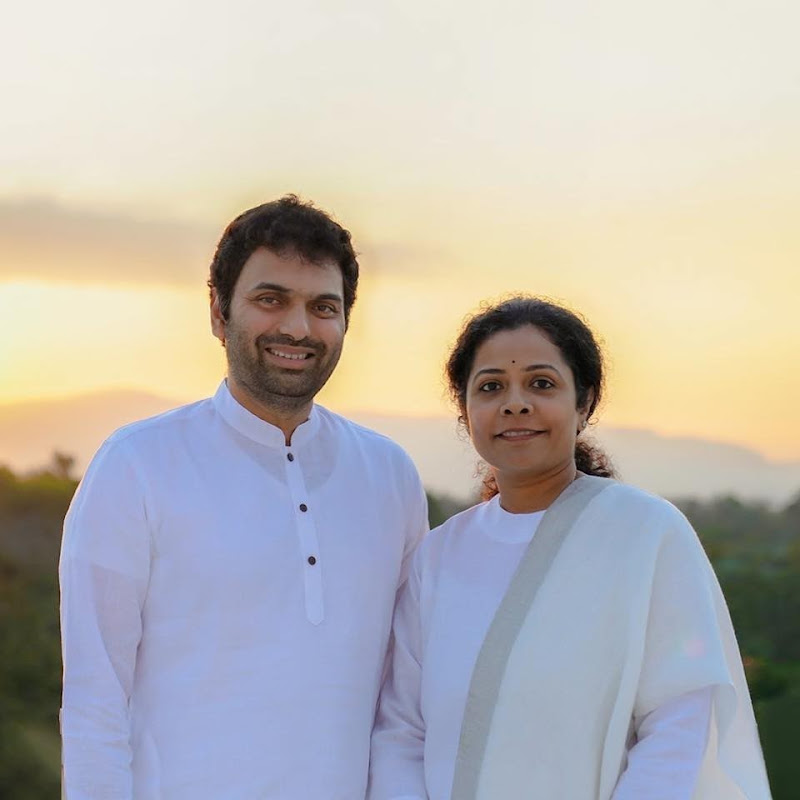
Participants came from varied backgrounds and contexts. What united them was a willingness to sit for a short period each day and engage with consciousness work as taught by Sri Preethaji and Sri Krishnaji, the teachers behind the Oneness Movement. The testimonials that emerged from the summit reveal a pattern: within weeks, many reported tangible shifts in their inner experience and outer circumstances.
How Did Chronic Stress Dissolve for Participants?
One of the most consistent themes in participant feedback is relief from chronic stress. Many attendees reported carrying tension for years—the kind of background noise in consciousness that becomes so familiar it feels permanent. After engaging in the 10-minute daily meditation practice, participants described a noticeable softening in their nervous systems.
This is not incidental. The Oneness Movement teaches that stress is fundamentally a phenomenon of consciousness—a contracted, fragmented state of awareness. When awareness expands through consistent meditation, the architecture of stress itself begins to shift. Participants did not merely learn coping techniques; they reported an actual dissolution of the stress-generating patterns at a deeper level. The 10-minute window proved sufficient because the practice was designed to work with consciousness itself, not simply to provide a mental relaxation break.
The mechanism here aligns with what contemporary neuroscience has begun to document: regular meditation practice—even brief sessions—can shift the baseline activity of the amygdala and prefrontal cortex, regions central to threat perception and emotional regulation. However, the Oneness framework goes further, suggesting that true stress relief comes not from managing the mind, but from a fundamental shift in the sense of self and belonging.
What Emotional Wounds Did Participants Report Healing?
Beyond stress reduction, many testimonials point to emotional healing—the resolution of old wounds, grief, resentment, and unresolved relational patterns. These are not shallow shifts; participants described profound releases of emotions they had carried for decades.
In the Oneness teaching, emotional wounds are understood as contracted energetic patterns that fragment consciousness. When meditation opens awareness to a state of wholeness—what the tradition calls "oneness"—the separation that sustains emotional wounding begins to dissolve. Participants reported experiences of forgiveness (both toward others and themselves), unexpected grief releases, and a newfound compassion for their own suffering.
One significant aspect of this healing is that it did not require talk therapy, regression work, or even explicit processing of past events. Rather, by establishing a daily meditation practice, participants created a container in which consciousness naturally moved toward integration. The emotional patterns that had felt static or permanent revealed themselves as dynamic processes that could shift when awareness shifted.
How Did Participants Experience Abundance and New Opportunities?
A striking element of the testimonials is the report of increased abundance and new opportunities—job offers, financial breakthroughs, unexpected collaborations, and expanded possibilities. For many, these external shifts followed the internal ones, suggesting a link between consciousness transformation and circumstantial change.
The Oneness teaching posits that consciousness and reality are not separate domains; consciousness is the fundamental substrate from which experience arises. When consciousness shifts from contraction (fear, lack, scarcity) to expansion (trust, wholeness, abundance), the manner in which one perceives and engages with the world shifts correspondingly. This is not positive thinking or manifestation in a magical sense, but rather a fundamental recalibration of how the self relates to possibility.
Participants reported that after meditation, they noticed opportunities that had always existed but which they had filtered out due to contracted awareness. They also reported increased clarity, intuition, and courage—qualities that naturally lead to better decisions and more aligned actions. Over time, these shifts in consciousness and behavior compound into measurable changes in circumstance.
Why Was 10 Minutes Chosen as the Daily Practice Duration?
The decision to structure the summit around 10 minutes of daily meditation (rather than longer, less frequent sessions) reflects a principle of consistency over duration. Most people can sustain a 10-minute commitment across multiple days; longer sessions often lead to dropout. Additionally, 10 minutes is sufficient to shift consciousness when the practice is skillfully designed and when it is held as part of a larger community structure (which the summit provided through synchronized, global participation).
The accessibility of 10 minutes also removes a common barrier: the belief that transformation requires dramatic time commitment. By demonstrating that genuine, measurable life change occurs within this timeframe, the summit challenges the narrative that spiritual work is impractical or reserved for monks or the wealthy. This democratization of transformation is central to the Oneness Movement's mission.
What Is Planned for the January 2026 Oneness Global Summit?
Based on the success and participant testimonials from the July 2025 event, a second Oneness Global Summit is scheduled for January 23–25, 2026. The format will be 3 hours per day, held entirely online, and completely free to register. This expansion in daily duration (from 10 minutes to 3 hours) suggests a deepening—likely including longer meditations, teachings, and community practices—while maintaining the online accessibility that made the first summit available to thousands worldwide.
The stated intention for the 2026 summit mirrors what was reported from 2025: to help participants dissolve stress, heal relationships, and manifest abundance through consciousness work. The event will be led by Sri Preethaji and Sri Krishnaji, the founding teachers of the Oneness Movement.
What Does the Broader Pattern Tell Us About Consciousness and Change?
The testimonials from the first summit point to a consistent pattern: when consciousness shifts, life shifts. This is not presented as dogma, but as observable, repeated experience across diverse participants. The mechanism is not complicated: chronic stress, emotional wounding, and scarcity consciousness are all expressions of fragmented, contracted awareness. When awareness moves toward wholeness and integration through meditation, these patterns naturally release.
The timeline is also significant. Participants reported meaningful change within weeks, not years. This suggests that the capacity for transformation is not locked behind years of disciplined practice, but is available more immediately when consciousness work is done skillfully and in alignment with how consciousness actually operates.
Where to go from here
If you resonate with these testimonials or are curious about direct experience of consciousness work, the Oneness Global Summit returning January 23–25, 2026 offers a structured, free entry point. You can register at no cost and participate in a global community engaged in the same practice. The fact that the first summit showed measurable results within its duration suggests that even 3 days of immersive meditation and teaching can catalyze significant shifts. For those exploring meditation but uncertain which practice or teacher to engage with, the testimonials here provide real-world evidence of both the possibility and the timeframe for change. If you have experienced chronic stress, unresolved emotional patterns, or a sense of stuck potential, this represents an opportunity to test whether consciousness work can work for you.