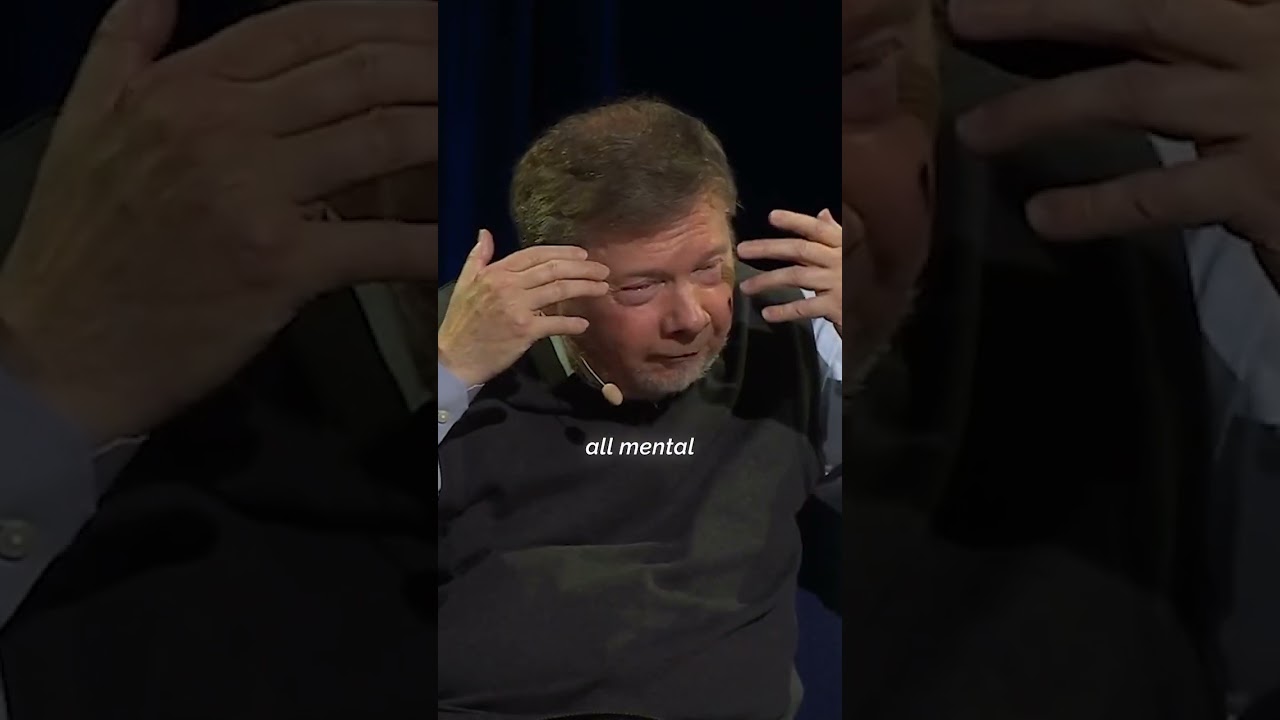
Spiritual retreats are commonly understood as breaks from daily stress, but their actual purpose is far more fundamental. Rather than offering escape from external circumstances, a true retreat invites the practitioner to retreat from the false sense of self—the accumulated mental and emotional identity that obscures awareness. By releasing this constructed self, practitioners access the vast stillness that underlies all surface activity, experience, and thought. This stillness is not a destination to reach but a recognition of what already exists beneath layers of conditioned identity.
What Is the False Self and Why Does It Matter?
In contemporary spiritual teaching, the concept of the false self refers to the identity constructed through conditioning, memory, and habitual patterns of thought and emotion. This false self is not something shameful or wrong; it is a necessary adaptation that develops in childhood and continues to operate automatically throughout life. However, when this identity is experienced as the totality of who we are—when the thinking mind is conflated with consciousness itself—it creates a fundamental sense of separation and suffering.
The false self is rooted in psychological patterns and mental narratives. It includes the stories we tell about ourselves, the judgments we hold about our worth, the roles we play, and the constant mental commentary that interprets experience. This constructed identity feels solid and real because it operates beneath conscious awareness for most people. It is so seamless that questioning its reality rarely occurs to us.
The significance of recognizing this becomes clear when we understand that the false self is always oriented toward survival, protection, and validation. It experiences the world as fundamentally separate from itself and seeks to maintain control through constant thought and emotional reaction. This underlying orientation generates anxiety, defensiveness, and the chronic sense of lack that characterizes much of human psychological suffering.
How Does Retreating from the Self Differ from Running Away?
A common misunderstanding is that spiritual practice involves escape—removing oneself from life's challenges or responsibilities. However, retreating from the false self is the opposite of escapism. Escapism involves the false self attempting to find refuge from discomfort through distraction, denial, or geographic change. A true retreat, by contrast, involves a direct investigation of the identity itself.
When you retreat from the false self, you are not going somewhere else; you are stopping the constant effort of maintaining and defending a constructed identity. This creates space for what lies beneath: presence, awareness, and the capacity to experience reality as it is rather than through the filter of personal story and emotional reaction.
In practical terms, this retreat happens not through effort but through release. It is a letting go of the need to constantly narrate experience, judge it, and defend against it. Physical retreat—removing oneself to a quiet environment for meditation or contemplation—can support this process because it reduces external stimulation and the triggers that activate the false self's survival mechanisms. However, the retreat that matters most is internal: the retreat from identification with thought and emotional patterns.
What Is the Stillness Beneath Surface Activity?
Beyond the realm of thinking, emotion, and mental activity lies a dimension of consciousness that is characteristically still. This stillness is not the absence of energy or awareness; rather, it is a quality of consciousness that does not depend on or require mental activity to exist. It is present in every moment but is typically obscured by the constant movement of thought.
This stillness is intimately connected to presence—to awareness of the now as distinct from mental preoccupation with past or future. When the false self loosens its grip, when the constant internal dialogue slows or temporarily ceases, this underlying stillness becomes apparent. It is not something that needs to be created or achieved; it simply becomes obvious when the mental noise that habitually obscures it is no longer running automatically.
The quality of this stillness is often described as vast because it is not limited by the narrow focus of the personal mind. It is boundless, impersonal, and free from the urgency and tension that characterize egoic consciousness. Many contemplatives across traditions describe encountering this stillness as profoundly peaceful, fundamentally free from the suffering that characterizes psychological identification.
Why Do Spiritual Retreats Provide the Conditions for This Recognition?
Physical retreats—whether silent meditation retreats, monastery stays, or solitude in nature—create environmental conditions that make it easier to recognize the stillness that always exists. Several factors contribute to this:
- Reduced External Stimulation: In retreat environments, the constant triggers that activate habitual patterns of mind and emotion are minimized. Without the usual social interactions, professional demands, and information streams, the false self has fewer occasions to activate its defensive and acquisitive mechanisms.
- Disruption of Routine Patterns: Daily routines keep the false self firmly entrenched through repetition. A retreat breaks these patterns, creating the possibility of noticing the identity itself rather than being entirely identified with it.
- Time for Stillness Practices: Meditation, contemplation, and other practices designed to allow mental activity to settle create windows in which the underlying stillness becomes accessible. These windows are brief at first but gradually expand with continued practice.
- Community and Support: Retreats often occur in community, and the presence of teachers and fellow practitioners who are oriented toward presence can be genuinely supportive. This reduces the false self's sense of isolation and struggle.
However, it is important to note that the retreat environment itself is not what produces the shift. The environment is simply more conducive to the internal retreat—the release of identification with the false self—that was always possible.
How Does Recognition of Stillness Transform Daily Life?
Once the vast stillness beneath mental activity has been directly experienced, even briefly, it fundamentally changes one's relationship to thinking and emotion. The mind and emotions do not cease to function—they continue to serve their practical purposes—but they are no longer experienced as the totality of consciousness. They are recognized as movements within something larger and more fundamental.
This shift has several practical consequences. The urgency that typically accompanies psychological identification naturally decreases because the sense of survival at stake is no longer active at the deepest level. Emotions continue to arise but are less likely to entirely overwhelm consciousness because there is now a larger awareness in which they move. Thoughts continue to occur but are recognized as temporary events rather than absolute truths about reality or identity.
In this shifted perspective, the false self does not disappear. Rather, it is seen for what it actually is: a useful psychological function, a collection of habits and skills, but not the deepest truth of who we are. This recognition is profoundly liberating because the exhausting effort of defending and maintaining a fixed identity can finally relax.
What Does a True Retreat Look Like in Practice?
A true retreat begins with the clear intention to retreat from identification with the false self rather than to escape external circumstances. This might involve:
- Creating or entering an environment with minimal external demands and stimulation.
- Engaging in practices—meditation, contemplation, mindful awareness—that allow the mind to settle and the underlying stillness to become apparent.
- Practicing non-identification with thoughts and emotions as they arise: observing them without becoming lost in them or believing them to be ultimate truths.
- Allowing periods of silence in which the usual narrative activity of mind can temporarily cease.
- Gradually becoming more established in presence and awareness of the now, which naturally displaces preoccupation with the story of self.
The outcome is not that the practitioner becomes someone different or better. Rather, there is a shift in identification: from identification with the false self constructed through conditioning to identification with—or more accurately, resting as—the awareness in which all experience, including the false self, occurs.
Where to Go From Here
If this perspective resonates, begin by investigating your own experience of the false self. Notice the constant mental narrative, the habitual emotional reactions, the defensive patterns. Simply observing these without judgment begins the process of disidentification. Consider whether a formal retreat—even a day or weekend of reduced activity and increased quiet—might support this investigation. Most importantly, understand that the retreat is not ultimately a special occasion but an invitation to recognize what is true in every moment: the presence beneath the personal story, available whenever identification with the false self temporarily releases its grip.