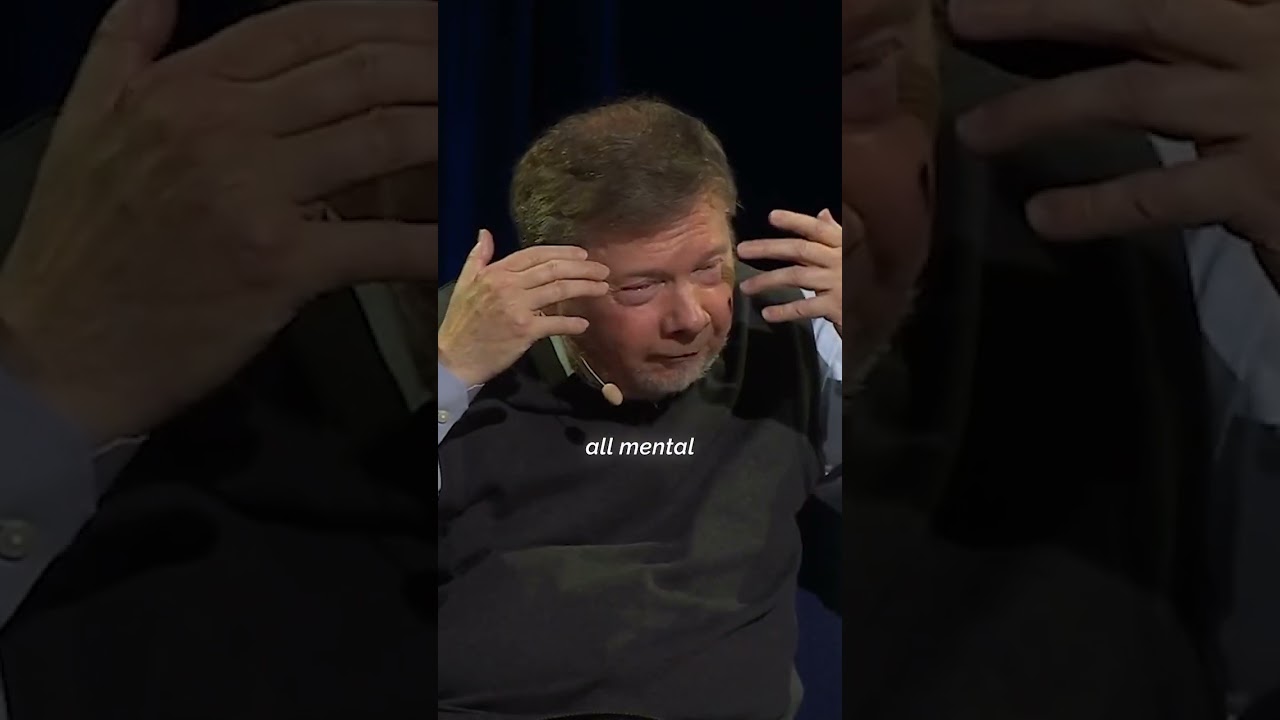
Not every spiritual or purposeful life requires building a large project, organization, or legacy. Some people are here to hold a frequency of quiet presence—bringing full awareness, care, and consciousness into the smallest, most ordinary actions of daily life. This presence itself is a vibration that affects those around us and serves as a legitimate path of spiritual practice and contribution to the world.
What Is Quiet Presence?
Quiet presence refers to a state of being fully awake and aware in the present moment, particularly during ordinary, unremarkable activities. It is not about doing something grand or visible, but about the quality of consciousness brought to whatever is already happening. When washing dishes, listening to another person, walking, or sitting, quiet presence means showing up with full attention and care rather than moving through life on autopilot.
This concept challenges a widespread cultural assumption: that spiritual meaning and personal significance must be tied to achievement, visibility, or the creation of something measurable. Eckhart Tolle's insight inverts this logic. He suggests that some individuals are here precisely to embody presence itself—to be a steadying, conscious frequency in environments that might otherwise lack awareness.
How Does Presence Become a Spiritual Frequency?
When a person consistently brings conscious attention to their actions, they create a subtle but real energetic or psychological shift in their immediate environment. This is not metaphorical language but a recognizable phenomenon: people sense when someone is truly present with them. A parent who listens without distraction, a caregiver who touches a patient with genuine attention, a friend who sits in silence with another's pain—these acts of presence communicate care and respect at a level deeper than words.
The frequency held by such a person becomes contagious. Others in their presence often feel calmer, more heard, or more real. This is not because anything loud or dramatic has occurred, but because consciousness itself—undivided and clear—is a rare and powerful offering. In a world of constant distraction, rushing, and fragmentation, quiet presence is radical.
Why Is This Path Often Overlooked?
Modern culture emphasizes visible output: publications, organizations, social media followings, wealth, status. The person who raises children with full presence, who tends a garden with care, who brings aware attention to their work—regardless of scale—often goes unrecognized. There is no metric, no trophy, no way to announce "I held space today" in a way that counts in conventional terms.
This invisibility can feel like irrelevance, especially to those with ambition or a sense that they "should" be doing something bigger. But Tolle's teaching offers a different lens: doing nothing—or rather, doing ordinary things with complete presence—is not a failure to find one's purpose. It may be the purpose itself.
The Role of Care and Awareness in Small Actions
The mention of "care and awareness into the smallest actions" is specific. It is not about grand gestures but about the quality brought to what is already required. Washing a cup becomes a meditation when attention is full. Listening to a child becomes a transmission of presence when the mind is not elsewhere. A conversation becomes healing when awareness is undivided.
This approach to living treats each moment and each action as worthy of consciousness. It refuses the hierarchy that says some tasks are beneath our full attention. This is a form of spiritual equality: every action is an opportunity to practice presence, and every moment is equally real.
How Does This Serve Others?
A person who holds a steady frequency of presence serves others in ways that may not be immediately obvious. Children raised by such a parent internalize the felt sense that they matter, that awareness is possible, that consciousness itself is valuable. Patients cared for with presence often heal more completely, even if only emotionally. Communities with people who are genuinely present develop different qualities than those where everyone is rushing and fragmented.
This is not a passive contribution. Presence is an active, intentional state that requires ongoing practice and choice. Each moment requires the decision to be here rather than lost in thought, regret, or anticipation. This constant renewal of presence is work, even if it looks like simply sitting, listening, or moving through the day with care.
Is Quiet Presence Enough?
The teaching does not say that building things is wrong or that ambition is a mistake. Rather, it offers permission and validation for those whose nature and calling is to be rather than to accumulate, expand, or produce. Some people are genuinely here to hold frequency. Others are here to build. Both are necessary. Both are sacred.
The trap is in believing that only one path has value, or in denying one's true nature in order to conform to external expectations about what matters. A person built for quiet presence will suffer if forced to pursue visibility. A person built to create will stagnate if asked only to be still. The teaching honors the diversity of spiritual roles.
How to Practice Quiet Presence
Quiet presence is not a state that arrives once and remains. It is a practice—something renewed moment by moment. It begins with simple acts of attention: noticing sensations, sounds, and sensory experience rather than being lost in thought. It involves choosing, again and again, to be where you are rather than where your mind has wandered.
Care arises naturally when awareness is genuine. When you are truly present with another person, you naturally want their wellbeing. When you are aware of the cup you are washing, you naturally care for it. Presence and care are inseparable; one generates the other.
The practice deepens through consistency. Each moment of genuine presence strengthens the capacity for the next. Over time, presence becomes less effortful, though it never becomes automatic—because the moment it becomes routine, presence has been lost. Quiet presence requires an ongoing quality of freshness and aliveness.
Where to Go From Here
If you recognize yourself as someone drawn to quiet presence rather than external achievement, use this teaching as permission. Your calling is valid. The frequency you hold matters. Your awareness in small actions is not a consolation prize or a backup plan—it is a genuine spiritual path with real effects.
If you are ambitious or driven to build, this teaching does not negate that path. Instead, it invites you to examine whether presence is present within your doing. Can you build with awareness? Can your projects be infused with the same quality of care and consciousness that a quiet presence holds? Can you hold frequency while you create?
Begin by practicing presence in one small, daily action. Choose something ordinary—a meal, a walk, a conversation—and bring your full attention to it. Notice what shifts when consciousness is genuinely here rather than divided or absent. This is the beginning of understanding the power of quiet presence.