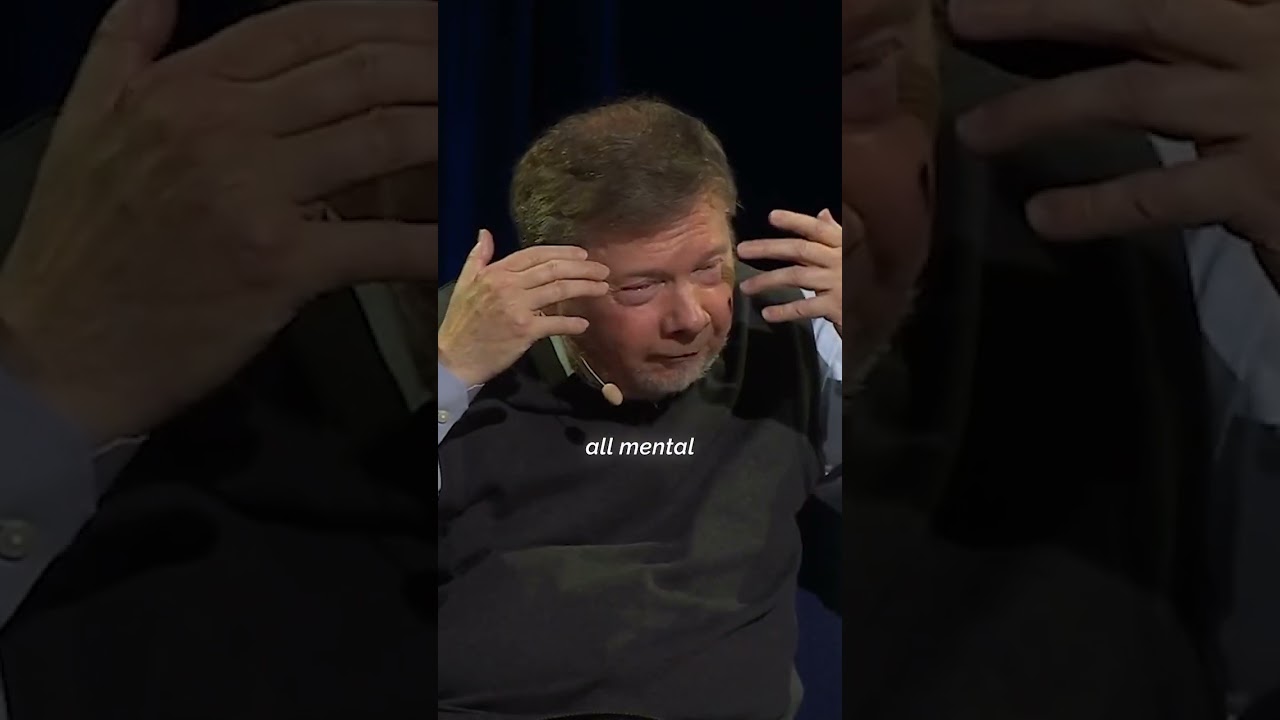
What Is the Happiness Misconception?
The core misconception Tolle identifies is the assumption that the external world—circumstances, people, possessions, achievements—has a primary responsibility to make you happy. When you operate from this belief, you unconsciously expect life to organize itself around your comfort and satisfaction. The world becomes a vending machine designed for your contentment.
This belief creates a fundamental problem: it gives your sense of wellbeing to forces outside your control. Weather, economy, other people's behavior, traffic, health fluctuations—all become potential threats to your happiness. You become dependent on external circumstances remaining favorable, a precarious and exhausting position.
How Does This Belief Generate Suffering?
When the world inevitably fails to deliver according to your expectations, you interpret this as a personal deprivation. Life is not cooperating. It is withholding what is yours by right. This thought pattern generates resentment, frustration, and a pervasive sense of being cheated.
Tolle's insight is that this suffering is not inherent to the situation itself—traffic jams, rejection, financial setbacks—but to the story you tell about those situations. The story is: "This shouldn't be happening. The world should arrange itself differently for my benefit." The gap between reality and your expectation of what reality should be is where suffering lives.
What Is Life Actually Trying to Do?
Rather than a delivery system for happiness, Tolle teaches that life functions as a wake-up call. Difficult circumstances, disappointments, and periods of unhappiness serve a purpose beyond your comfort: they interrupt the habitual patterns of ego-driven consciousness and create openings for genuine awakening.
When circumstances don't go as planned, when you are faced with loss, grief, or frustration, these moments contain an invitation. They ask you to shift from identification with your thoughts and preferences to a deeper awareness of what you actually are—consciousness itself, which is not dependent on external conditions.
The Difference Between Happiness and Presence
Tolle distinguishes between the emotional state of happiness (which is circumstantial and temporary) and a deeper dimension of peace and aliveness that comes from alignment with the present moment. Happiness fluctuates. Joy based on the absence of resistance to what is—what Tolle calls presence—is more stable because it doesn't depend on external outcomes.
A person can be poor, ill, or facing genuine hardship and still access this inner dimension. Conversely, someone with every advantage can be deeply unhappy if they are resisting reality and demanding that life be different.
How Does the Ego Maintain This Misconception?
The ego—the constructed identity based on thought and preference—has a vested interest in the belief that the world should make you happy. It gives the ego a purpose: to strategize, acquire, and control in service of happiness. The ego cannot survive in acceptance of what is. It requires resistance, wanting, and the narrative that something is wrong that needs fixing.
As long as you believe the world's job is to satisfy you, you remain trapped in ego-driven reactivity. You are either celebrating when things go your way or suffering when they don't. Your consciousness remains contracted, absorbed in thought rather than open to presence.
What Does "Waking Up" Mean in This Context?
To wake up, in Tolle's teaching, means to recognize that your essential nature is not the ego-self that wants and resists, but the awareness that observes all of this. It means seeing that happiness as a permanent state is impossible because emotions and circumstances naturally fluctuate. But presence—alignment with the here and now—is available regardless of circumstances.
This shift does not require the world to change. It requires a shift in how you relate to the world. You stop demanding that reality conform to your preferences and start learning from the intelligence embedded in what is actually occurring.
Where to go from here
Notice over the next week where you are still operating from the belief that circumstances should be different for you to be okay. When frustration or resentment arises, pause and ask: "Am I resisting what is? Am I waiting for the world to change before I allow myself presence?" Begin to separate the circumstance itself from the story you're telling about it. Can you feel what it's like to stop demanding that life be different, even if just for a few moments? This small shift in awareness is the beginning of genuine awakening.
]]>