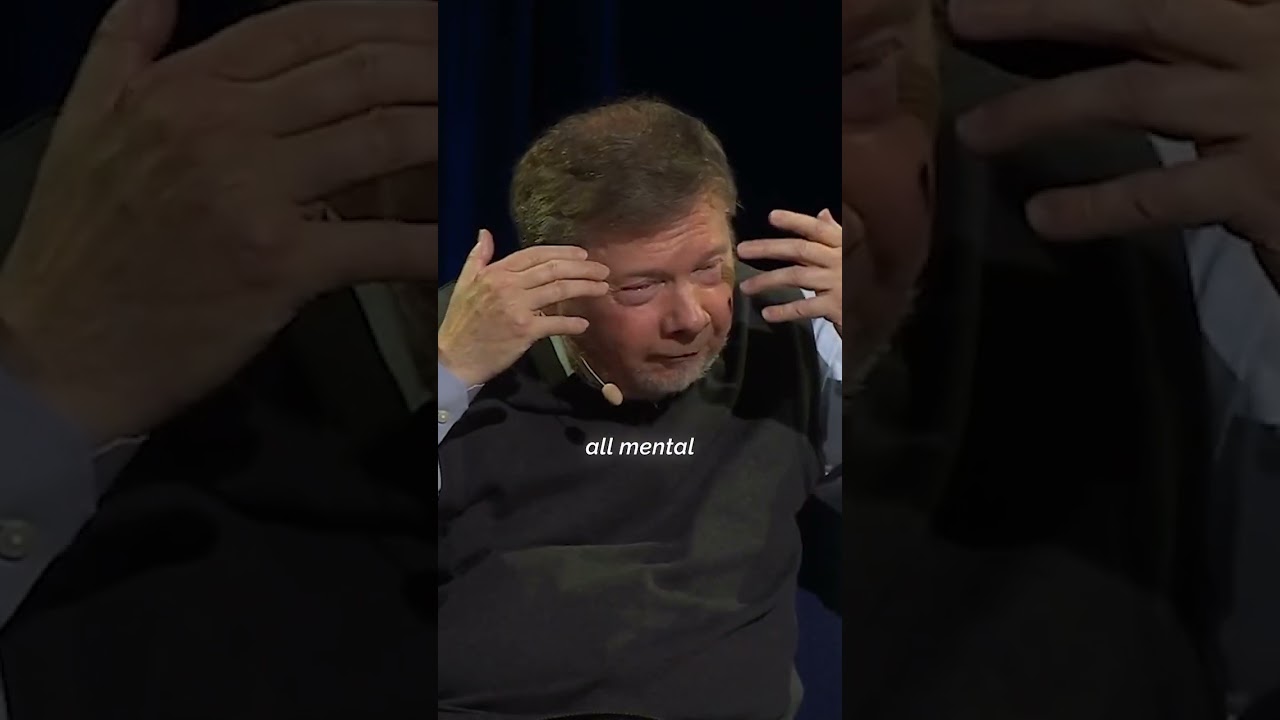
Eckhart Tolle explains how romantic relationships shift from sweetness to drama when partners encounter each other's pain body—the accumulation of unhealed emotional pain stored in the nervous system. The pain body is not conscious; it operates on autopilot, triggering anger, blame, or attack as a way to find a reaction or temporary relief. Recognizing this mechanism allows partners to respond consciously rather than react defensively, breaking the cycle of unconscious hurt.
What Is the Pain Body in Relationships?
The pain body, a core concept in Eckhart Tolle's teachings, is the accumulated emotional pain held in the body and psyche—unresolved trauma, grief, shame, and hurt from the past. In the early stages of romantic love, the nervous system is flooded with oxytocin and attraction chemicals, which temporarily override or mask the pain body. Partners show up as their highest selves, and genuine sweetness flows between them. However, this elevated state is not sustainable indefinitely.
The pain body is dormant but not gone. It waits beneath the surface. When the initial intoxication of new love fades—when life returns to normal rhythms, when minor conflicts arise, or when a partner says or does something triggering—the pain body awakens. What emerges is not the person you fell in love with, but their unhealed emotional architecture, activated and desperate for discharge.
How Does the Pain Body Seek a Reaction?
The pain body is not rational or intentional. It does not have a plan or strategy in the way the conscious mind does. Instead, it operates on a primitive, automatic level—like a reflex. When activated, it looks for a reaction. This reaction is its fuel. A partner's pain body may generate anger, blame, accusations, or withdrawal, not because the person consciously decides to harm their partner, but because the pain body is compelled to express and discharge its accumulated charge.
This is crucial: the person is not their pain body, even when their pain body is active. The pain body is a pattern of reactivity, a loop of unconscious behavior stored in the system. When a partner becomes angry and attacks, they are not attacking because they have thought rationally about your behavior and decided you are wrong. They are attacking because their nervous system has been triggered, and the pain body has seized control of their speech and actions.
The pain body feeds on reactivity. If the other partner reacts—becoming defensive, counter-attacking, making excuses, or withdrawing in hurt—that reaction becomes food for the pain body. It has successfully created drama, and drama temporarily releases the tension that the pain body carries. This is why arguments can escalate so quickly and why the pattern repeats: both partners are often unconsciously seeking the discharge that comes from conflict.
Why Does the Transition from Sweetness to Drama Feel So Sudden?
In the honeymoon phase, both partners are literally in a different neurological state. The sympathetic and parasympathetic nervous systems are balanced, oxytocin is high, and the prefrontal cortex—the part of the brain responsible for reason and connection—is active. The pain body can exist in this state, but it is dormant. Partners are not in situations that trigger old wounds, and they have not yet accumulated the small frustrations and unmet expectations that begin to crack the illusion of perfection.
When the pain body awakens, the shift feels shocking and incomprehensible. Where did this angry, blaming person come from? This is not who they seemed to be. But this person was always there—the pain body was simply not activated. The awakening is sudden because the nervous system has shifted rapidly, and the pain body operates outside of conscious choice.
What Makes the Pain Body Unconscious?
The pain body is unconscious in the technical sense: it is not available to direct observation or rational deliberation. When the pain body is activated, a person experiences their emotions and thoughts as absolutely real and justified. The anger feels justified. The blame feels deserved. The accusation feels true. There is no internal distance—no witness consciousness standing apart from the reaction, observing it objectively.
This is why partners often cannot simply "stop" being reactive, even when they love each other. The pain body is not operating from the level of the mind where conscious intention lives. It is operating from a deeper, more primal level—the nervous system's stored reactions to old pain.
How Does Understanding the Pain Body Change Relationship Dynamics?
The moment a person understands that their partner's anger or blame is not a conscious attack but an unconscious pain body seeking a reaction, the entire dynamic shifts. Instead of meeting reaction with reaction, a partner can choose to pause and observe. This conscious pause is the gateway to change.
When the pain body activates in one partner, it is looking for reactivity from the other. If the other partner can refrain from reacting defensively—can instead remain present, calm, and non-defensive—the pain body does not get the fuel it needs. Without fuel, the charge begins to discharge harmlessly, and the activation begins to subside. Over time, as one partner consistently refuses to react unconsciously, the entire pattern destabilizes.
This does not mean becoming passive or tolerating abuse. It means responding from consciousness rather than reacting from the pain body. A conscious response acknowledges the partner, sets a boundary if needed, and maintains internal equilibrium. It says, in effect: I see that you are in pain. I am not going to add my pain to yours right now.
What Is the Difference Between Reacting and Responding?
A reaction is automatic, triggered, and comes from the pain body or ego. It is fast and emotionally loaded. A response is conscious, intentional, and comes from the observing self. It is slower and grounded in choice. In relationships, the difference between these two is the difference between perpetuating cycles of unconscious drama and creating opportunities for healing.
When a partner is activated and blaming, a reaction might be: "You're being crazy. You always do this. You're the one with the problem." A response might be: "I hear that you're upset. I'm going to take some space right now so we can both calm down." The response does not validate the blame, but it also does not amplify the conflict.
Can Partners Help Each Other Heal the Pain Body?
The pain body itself cannot be healed by another person. Each individual must do their own inner work—developing awareness of when the pain body is active, understanding what triggers it, and gradually building the capacity to observe it without being completely identified with it. This is not a quick process.
However, partners can create an environment in which healing becomes possible. When one partner begins to respond consciously instead of reacting, it creates a space for the other partner to slow down and potentially observe their own patterns. Over time, both partners may begin to develop more awareness and less identification with their pain body.
The sweetness that existed in the beginning does not have to disappear. But it becomes real only when both partners are conscious enough to recognize the pain body when it activates and choose not to be run by it. This kind of sweetness is not chemical or temporary—it is grounded in genuine presence and acceptance.
Where to Go From Here
If you recognize your own pain body activating in your relationships, the first step is awareness: noticing when you shift from presence to reactivity, when anger or blame suddenly take over, when you find yourself looking for a reaction from your partner. This awareness alone is healing. You do not have to change anything—just observe with curiosity rather than judgment.
If you are the partner of someone whose pain body is active, practice pausing before reacting. Notice the impulse to defend or counter-attack, and see if you can choose a conscious response instead. This may feel difficult at first, but it gradually breaks the cycle.
Both partners benefit from practices that increase awareness of the nervous system and the body: meditation, somatic work, breathwork, or therapy that addresses how past pain is stored in the nervous system. Understanding the pain body is the beginning of freedom from its automatic patterns.